Collaborative VR: The Game-Changer for Plant Engineering & EPCM Projects

Why Traditional Plant Design Reviews Aren’t Enough

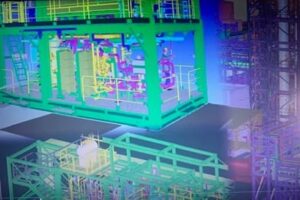
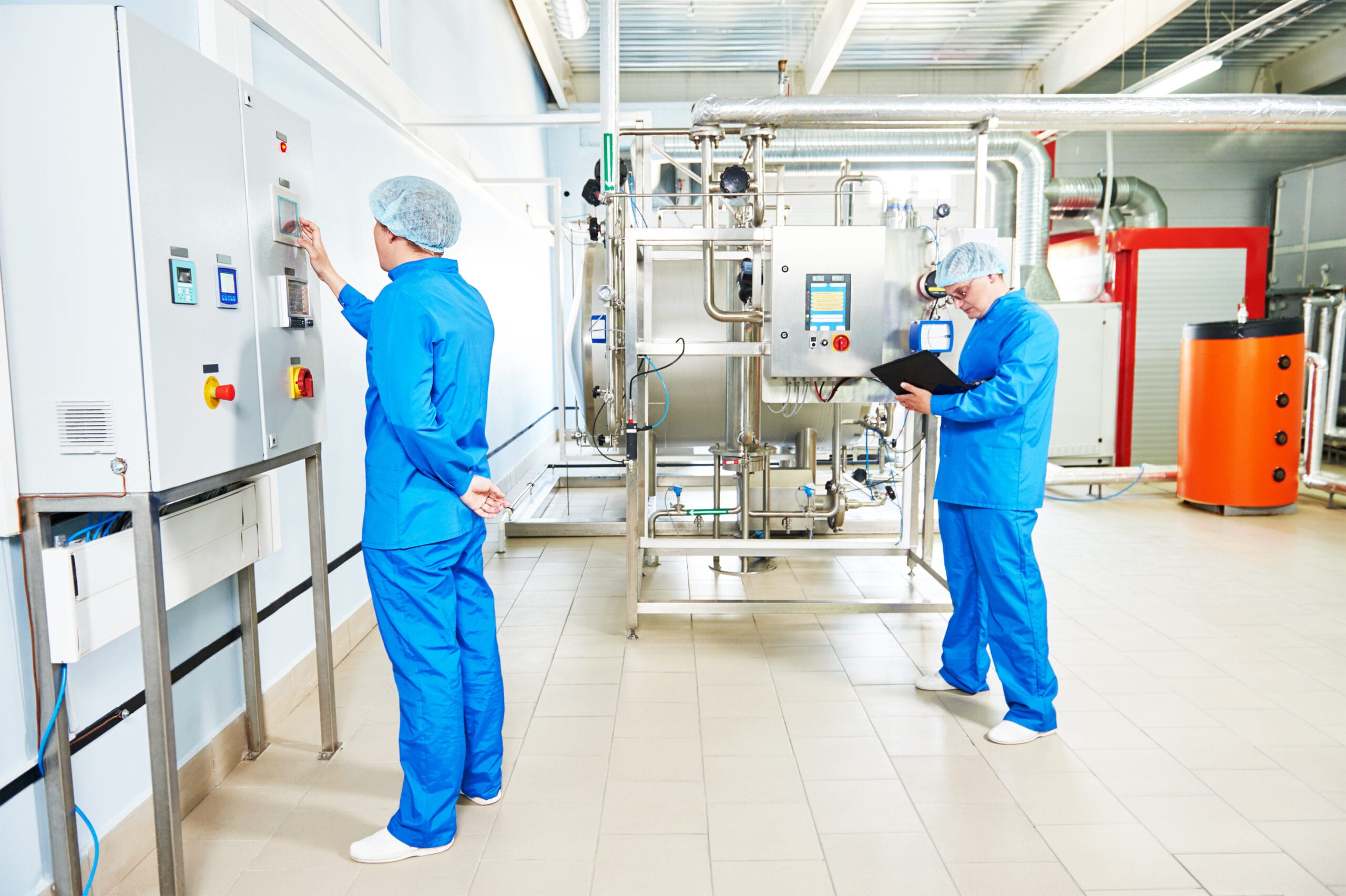
Global plant engineering projects—across chemical, pharmaceutical, and oil & gas industries—require precise coordination between teams spread across continents. Traditional workflows relying on 2D model reviews and in-person meetings often struggle to deliver the required spatial clarity, speed, and alignment.


Common challenges for engineering, procurement, and construction management (EPCM) include:

  • Difficulty visualizing complex plant layouts on flat screens

  • Delays in catching integration issues, such as clashes between disciplines

  • High travel costs and scheduling bottlenecks for stakeholder meetings

  • Risk of errors during construction due to inadequate training and limited site familiarity

  • Constructions costs can increase by 11% due to design changes, errors, and ommissions


What Sets Modern Collaborative VR Apart

Today’s most effective virtual reality collaboration platforms solve these problems by offering:

  • Instant, browser-based access—no downloads or plugins, just join from anywhere

  • One-click sharing for immersive sessions with any number of participants, regardless of device

  • Direct CAD model import from leading engineering design tools, without manual file conversions

  • Real-time model interaction—hide, isolate, annotate, or highlight plant components on demand

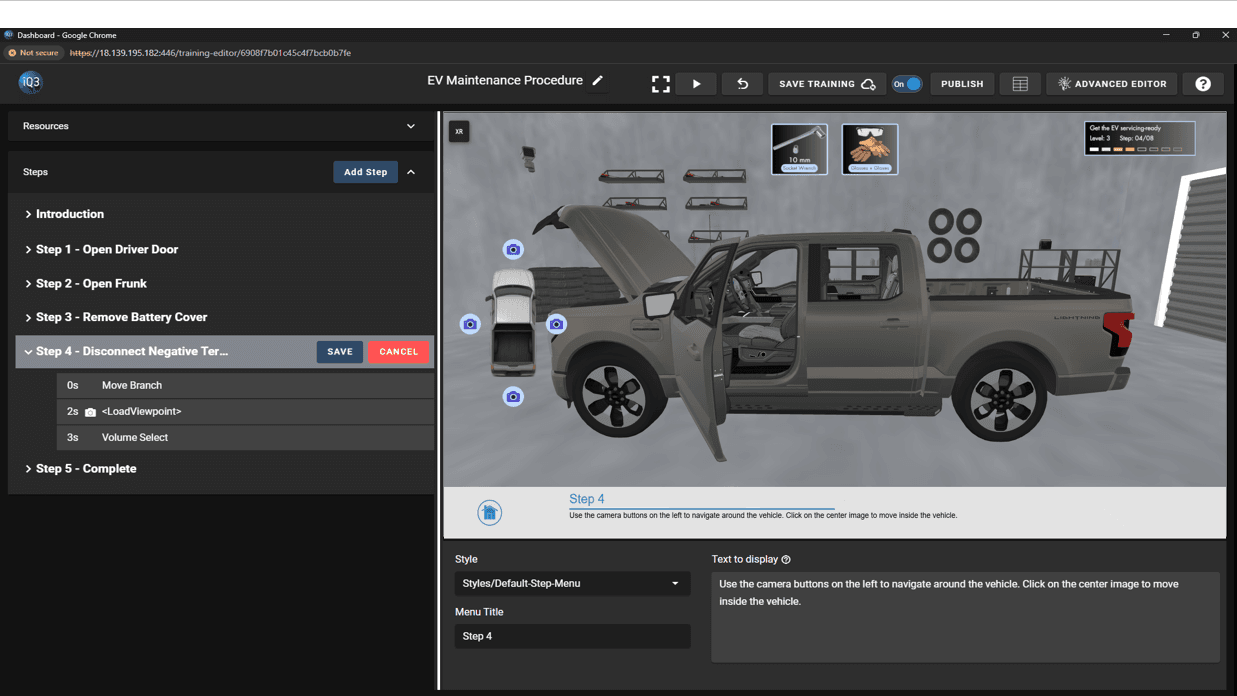
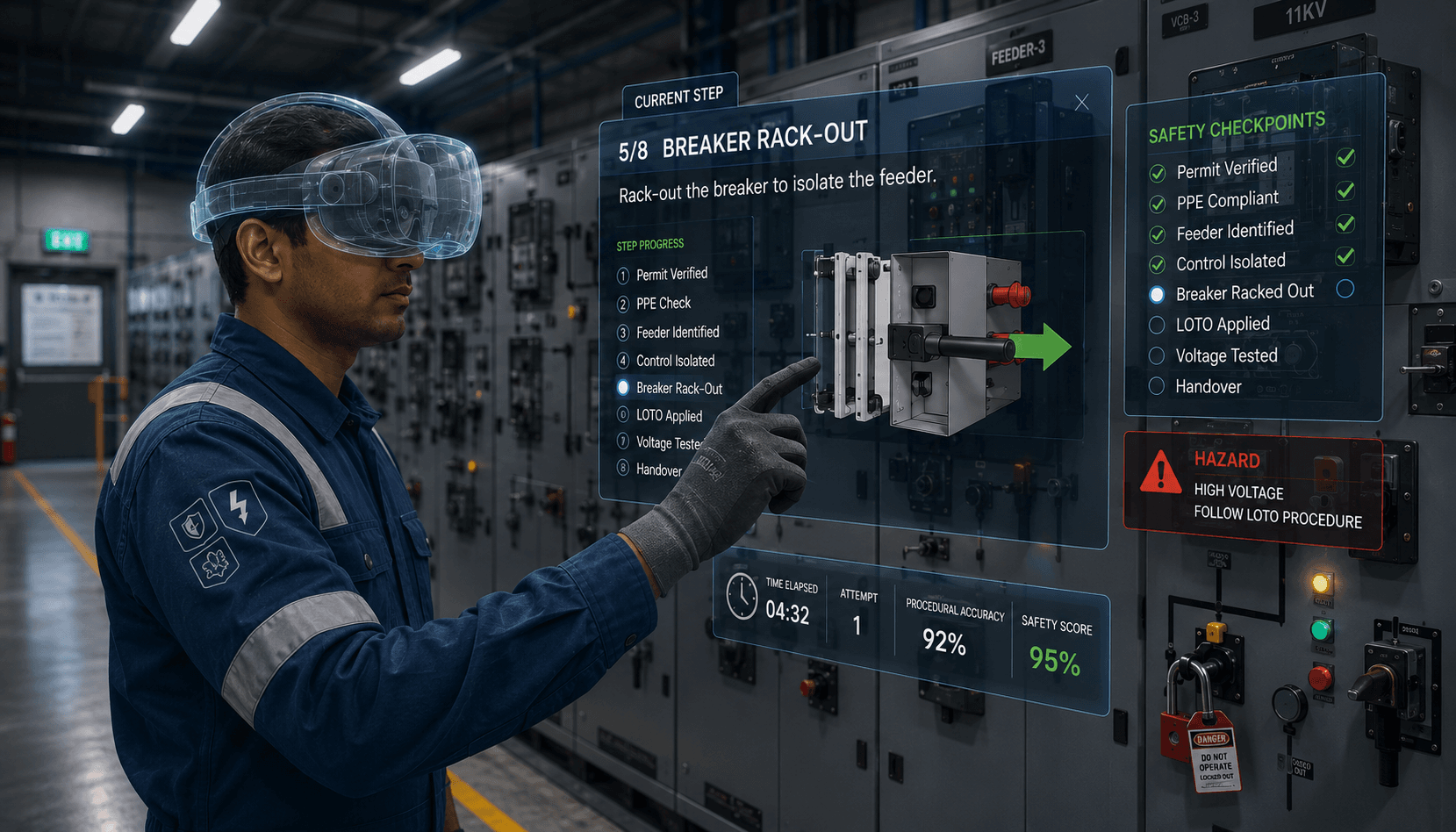
  • Integrated VR training modules so contractors and site staff can rehearse assembly steps and safety protocols virtually


Case Study: Global Plant Project, Real Results

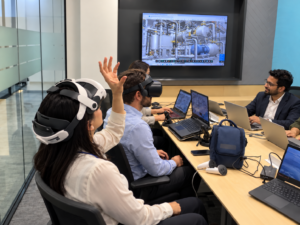
A leading engineering firm deployed immersive VR collaboration for a major plant project, connecting 10 team members across two countries and four cities—all within a browser-based, interactive 3D environment.

The impact:

  • 24% reduction in total project effort

  • 36% cut in travel costs

  • Accelerated identification and resolution of design issues before construction

  • Safer, better-prepared construction teams thanks to interactive, scenario-based VR training

Early detection of layout conflicts (like cable tray routing and operational clearances) led to faster, more confident decision-making and minimized costly rework.


Endorsement from Industry Leaders

Don’t just take our word for it—see how industry innovators are using collaborative VR to transform project delivery. Check out this real-world success story from Arya Engineers & Contractors Pvt. Ltd., who leveraged immersive engineering reviews and remote collaboration to streamline a recent EPCM project:


Read the Arya Engineers LinkedIn Post

“The use of immersive collaborative VR helped our teams reduce travel, improve coordination, and ensure a higher quality handover to our client.”
— Arya Engineers & Contractors Pvt. Ltd.


The Future of Plant Design: Immersive, Browser-Based, and Secure

Not all VR solutions are created equal. The most effective platforms for engineering and EPCM projects feature:

  • Zero-install, device-agnostic access (PC, Mac, VR/MR headsets)

  • Unlimited participation with robust security and privacy controls

  • Real-time and asynchronous collaboration tools, including markup and voice annotation

  • Hands-on VR training capabilities to improve jobsite readiness and safety

By embracing these innovations, engineering teams can reduce project risk, save costs, and accelerate timelines—delivering better outcomes for all stakeholders.


Schedule a live demo or speak with our solution experts.

Rethinking Career and Technical Education: Immersive Virtual Training as a Pathway to Workforce Readiness


Across the country, educators and policymakers are facing a fundamental question: How do we prepare students for the jobs of tomorrow when traditional classrooms and hands-on trade skills are both essential, yet increasingly out of reach for many?

A recent Marketplace.org article highlights this challenge, spotlighting a growing need for “career tech” programs that blend academic rigor with real-world, practical skills. Yet for many schools—especially in rural or under-resourced districts—the barriers to creating robust, hands-on training opportunities remain high.


Immersive Technology: Bridging the Gap

Immersive virtual training platforms like iQ3Connect are changing that equation. By leveraging digital environments, schools can deliver interactive 3D simulations, hands-on experiences, and industry collaboration—without the cost or logistical hurdles of physical labs.

This is not just about technology for technology’s sake. It’s about equity and opportunity: ensuring every learner, regardless of ZIP code, can access world-class technical education and real-world career pathways.


Policy in Action: The Sierra Space, CDLE, and iQ3Connect Partnership

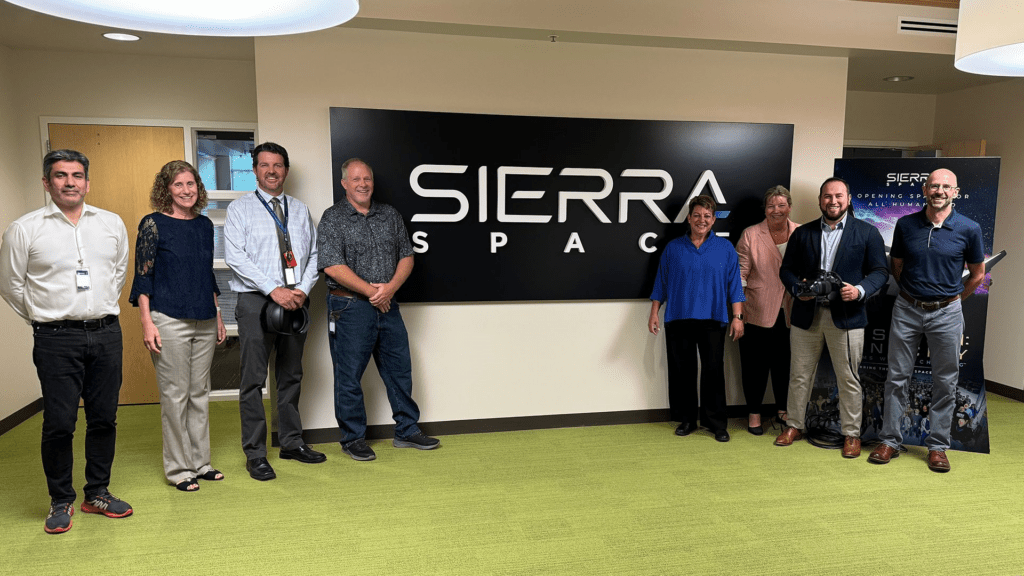
A standout example is the partnership between Sierra Space, the Colorado Department of Labor and Employment (CDLE), and iQ3Connect. Through this collaboration, Colorado high school teachers and students are gaining access to aerospace industry training via immersive virtual modules. Teacher externships provide educators with direct industry experience, which they translate into curriculum, bringing current, relevant skills back to their students.

This initiative demonstrates:

  • Affordability and Scalability: No need for each school to invest in expensive equipment or labs—virtual solutions scale across districts and regions.

  • Industry-Relevant Curriculum: Direct input from employers ensures education stays aligned with evolving workforce needs.

  • Professional Development for Teachers: Externships empower teachers with up-to-date knowledge and skills, enriching classroom instruction.


Why This Matters for Policy and Practice

  • Expanding Access: Digital, device-agnostic training reaches students and teachers everywhere, supporting state and national equity goals.

  • Supporting Workforce Pipelines: Programs like this help build a diverse, competitive talent pool ready to meet the needs of 21st-century industries.

  • Enabling Data-Driven Improvement: Virtual platforms make it easier to track learning outcomes and program impact—key for continuous improvement and policy evaluation.

As demand for skilled workers continues to rise, immersive virtual training is proving to be a powerful lever for advancing both education and workforce readiness. For educators and policymakers committed to preparing students for meaningful, high-demand careers, these solutions represent a practical, scalable, and future-focused path forward.


Explore how the Sierra Space, CDLE, and iQ3Connect partnership is paving the way for innovative, equitable career education here.

Case Study: Immersive VR Digital Prototyping for Industrial Equipment Manufacturers

Overview

A leading industrial equipment manufacturer, specializing in engineered solutions for sectors like compressed air, vacuum, and assembly systems, sought to accelerate product development while reducing costly design iterations. With increasing pressure to deliver high-quality, customized solutions faster, the company leveraged iQ3Connect’s immersive XR platform to transform its digital prototyping workflow.


Industry Challenge

In industrial manufacturing, the stakes are high:

  • Complex assemblies and machinery require robust cross-functional reviews.

  • Physical prototyping is expensive and time-consuming.

  • Missed design issues can result in costly rework, delayed launches, and dissatisfied customers.

  • Effective collaboration between engineering, service, and production is often limited by geography and siloed processes.


Solution: iQ3Connect Immersive Prototyping

By adopting iQ3Connect’s XR platform, the manufacturer enabled its teams to:

  • Instantly upload and visualize 3D CAD assemblies (JT, STEP, etc.) in a shared, interactive XR environment.

  • Perform detailed assembly and service reviews virtually, including for large and heavy equipment that’s difficult to access physically.

  • Empower engineering, service, and manufacturing teams to collaborate in real time, whether on-site or remote, using either untethered or tethered VR headsets.

  • Rapidly identify and address design flaws early in the product lifecycle, before any physical prototype is produced.


Business Outcomes

  • Accelerated Time-to-Market:
    Teams quickly iterated on virtual prototypes, making design changes in days—not weeks—resulting in faster NPD (new product development) cycles.

  • Higher Design Quality and Fewer Errors:
    Immersive reviews allowed stakeholders to “walk through” complex machinery, ensuring issues are caught and resolved early.

  • Enhanced Collaboration:
    Cross-disciplinary teams—including engineering, production, and after-sales—could participate in reviews regardless of location, fostering alignment and knowledge transfer.

  • Cost Savings:
    Early digital detection of flaws significantly reduced the need for multiple physical prototypes and associated rework costs.

  • Easy Integration:
    No specialized coding or new CAD workflows—just upload and go, fully compatible with existing digital assets and IT environments.


Implementation Insights

  • The platform is browser-based and runs securely on company servers, supporting enterprise IT policies and data security requirements.

  • Compatible with industry-standard VR headsets, it works in both wireless and tethered modes for flexibility in factory or office settings.

  • The intuitive interface enabled fast onboarding for both engineering teams and field service reviewers.


Scaling Digital Innovation

After seeing measurable success in initial pilots—improved agility, deeper reviews, and tangible cost reductions—the company is expanding immersive prototyping across more projects and business units. The result? A more competitive, agile, and customer-responsive organization, ready to lead in the evolving industrial landscape.


Are you an industrial equipment manufacturer seeking to modernize your product development? Discover how iQ3Connect can help you accelerate innovation, reduce costs, and deliver higher-value solutions—contact us today for a tailored demo.

Transforming Traditional Maintenance Training in Pharmaceutical Manufacturing with Digital Immersive Training

Background

In the competitive world of pharmaceutical manufacturing, plant reliability and operational safety depend on well-maintained equipment and a workforce that’s always ready. Yet for many companies, maintenance teams are a mix of in-house and contract staff, and high turnover can make it hard to deliver consistent, high-quality training.


The Challenge: Informal Training and High Turnover

At a major Indian pharmaceutical manufacturer, most equipment is maintained by on-site engineers. About 40% of the maintenance staff are contractors, and turnover rates are high. New hires are typically trained by senior engineers through hands-on, on-the-job learning.

While practical, this approach often means training quality can vary and is difficult to assess or standardize. There are no formal assessments or feedback loops, so managers have little insight into how well maintenance procedures are understood or followed.


A Digital Solution: Experiential Immersive Training

To address these challenges, the company began exploring digital experiential training as a scalable, modern alternative. After reviewing several platforms, the maintenance team selected iQ3Connect for its interactive, immersive approach—designed to deliver standardized, engaging training experiences.


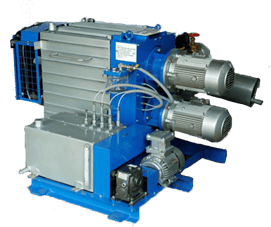
As a first step, the focus was placed on vacuum pump maintenance—a routine and critical task, with around 300 pumps in operation across the plant. The team saw this as an ideal starting point for immersive training, with plans to expand to other core equipment like filters, dryers, agitators, and reactors. There is also interest in developing similar training for electrical maintenance tasks.

Implementation: From Real-World Procedure to Digital Module

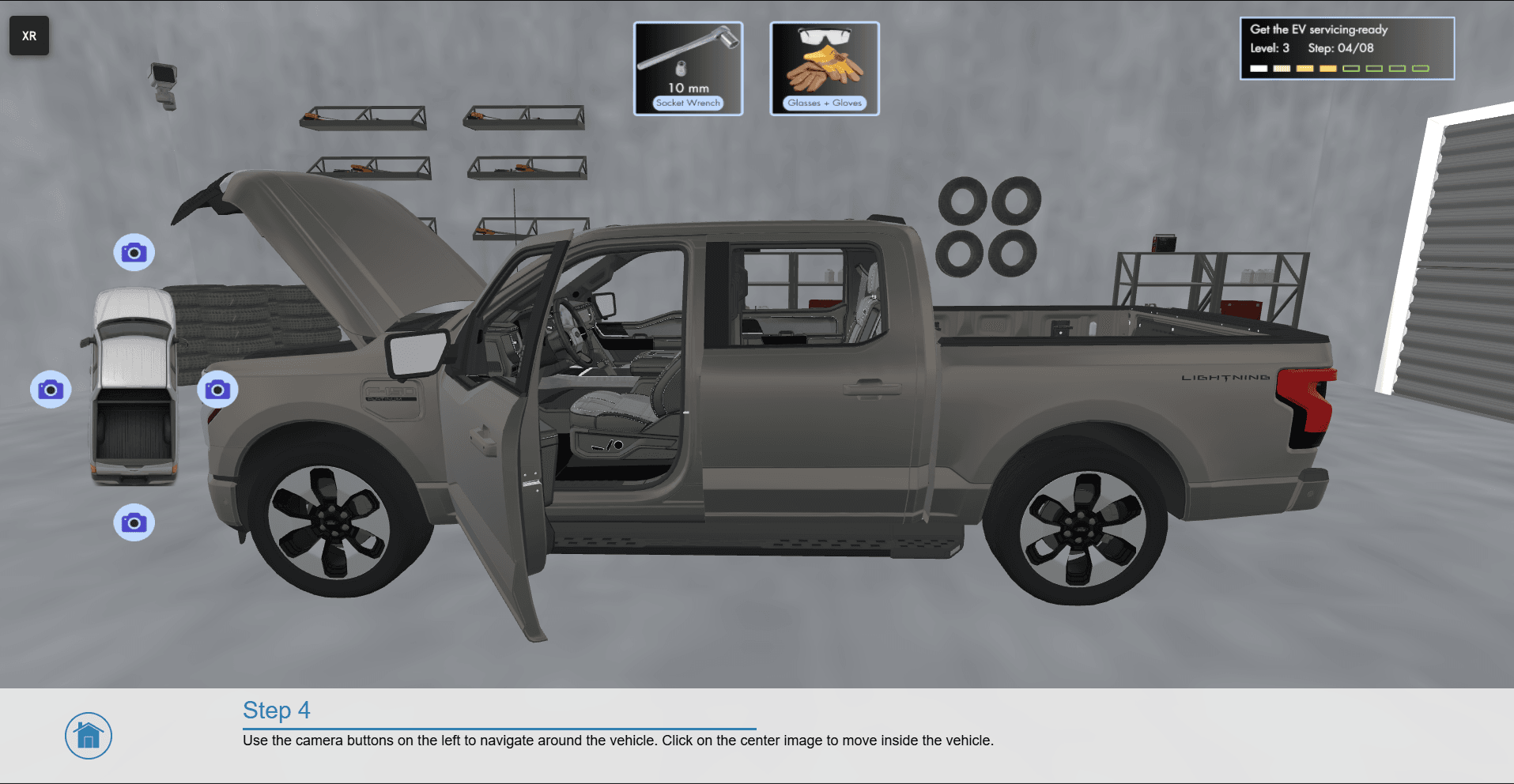
The new digital training solution translates detailed maintenance procedures into an interactive VR module. Engineers learn and practice every step of the pump maintenance process in a risk-free virtual environment, receiving instant feedback and clear visual cues.


Benefits include:

  • Standardizing training content regardless of staff changes or instructor style,

  • Enabling faster onboarding of new employees,

  • Providing trackable assessments and actionable feedback,

  • Reducing errors and supporting compliance with safety protocols.


Next Steps and Organizational Impact

Encouraged by the success of the vacuum pump module, the company is planning to roll out immersive training for additional equipment, making advanced, feedback-driven learning a cornerstone of their maintenance organization.


This case highlights how digital experiential training can overcome traditional training barriers in pharmaceutical manufacturing—empowering maintenance teams, reducing operational risk, and supporting long-term business performance.


Interested in digitalizing your maintenance training? Contact iQ3Connect to learn how immersive, interactive solutions can help your organization achieve training excellence.

Case Study: Sierra Space Accelerates Engineering Collaboration and Launch Preparation with iQ3Connect

Background

Sierra Space — Aerospace and space technology leader, developer of the Dream Chaser® spaceplane and advanced satellite vehicles.


Challenge

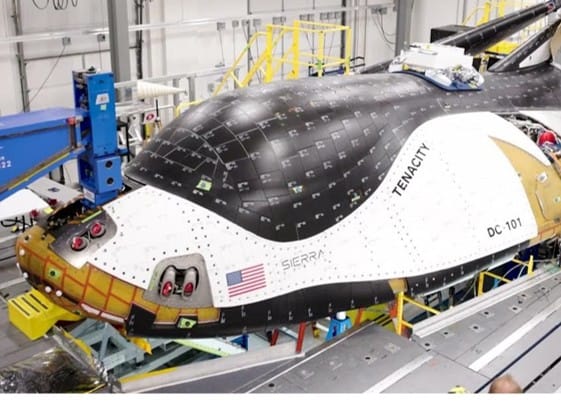
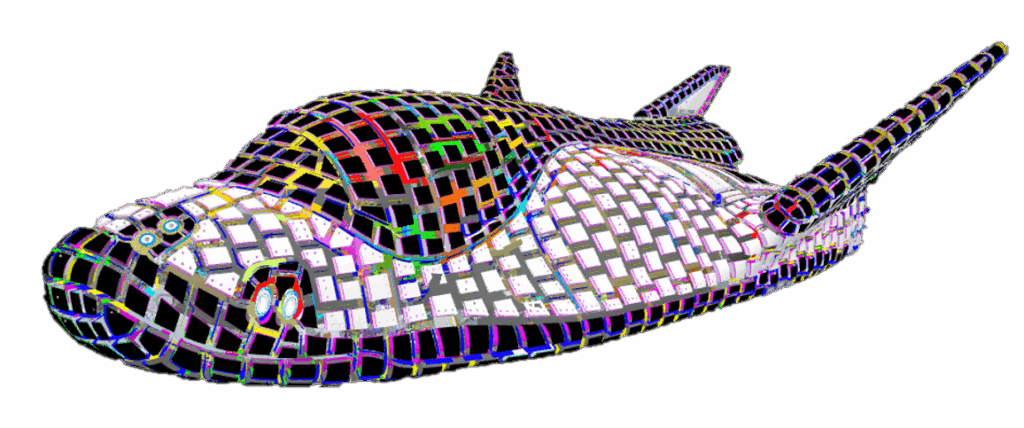
Sierra Space manages some of the world’s most complex engineering projects, including the Dream Chaser® Tenacity, with over one million components. Their teams needed a scalable way to:

  • Visualize and collaborate on massive 3D assemblies, regardless of device or location

  • Minimize costly and time-consuming custom software development

  • Support critical launch preparation and contractual design evaluations across distributed engineering teams


Solution

iQ3Connect delivered a device-agnostic, WebXR-enabled platform for real-time 3D collaboration:

  • Dream Chaser® Tenacity (1M+ components) and full satellite vehicle assemblies now run smoothly in multi-user, multi-device workspaces—including on tablets and smartphones

  • Engineering teams access, review, and manipulate large-scale 3D models instantly—no downloads or custom builds required

  • SSO integration enables secure, organization-wide access; WebXR supports both desktop and mobile experiences


Business Outcomes

  • Dramatic Efficiency Gains:
    Engineering tasks that previously required up to four weeks of custom development can now be completed in as little as four hours.

  • Rapid Adoption and Internal Impact:
    Multiple engineering teams were able to demonstrate the platform internally and externally within hours of receiving training

  • Immediate Program Value:
    Integrated into Tenacity’s digital closeout and launch prep, iQ3Connect has already supported multiple DFX (Design for X) evaluations to fulfill contractual and compliance requirements

  • Enterprise Collaboration Unlocked:
    Teams can review, discuss, and resolve design issues in real time, on any device—speeding up decision-making and reducing barriers to innovation


Conclusion

By leveraging iQ3Connect, Sierra Space has transformed how its teams interact with their most complex digital assets—accelerating engineering cycles, streamlining launch preparation, and fulfilling mission-critical contractual obligations with unmatched speed and flexibility.

Using 3D Digital Twins with Immersive Visualization in the Inspection Industry

Background

The inspection industry plays a crucial role across various sectors, including manufacturing, construction, oil and gas, and infrastructure. Inspections ensure compliance with safety standards, quality control, and maintenance schedules, mitigating risks and enhancing operational efficiency. Traditionally, inspections rely on manual processes and physical presence, which can be time-consuming, costly, and often hazardous. Advancements in reality capture and digital twins provide a strong foundation for 3D 1:1 immersive visualization in Virtual Reality (VR), Augmented Reality (AR), and Mixed Reality (MR). This combination offers innovative solutions for virtualizing inspector training, real-time collaboration, and data analysis visualization, potentially disrupting how inspections are traditionally conducted.


Persistent Digital Twins Creation and Visualization

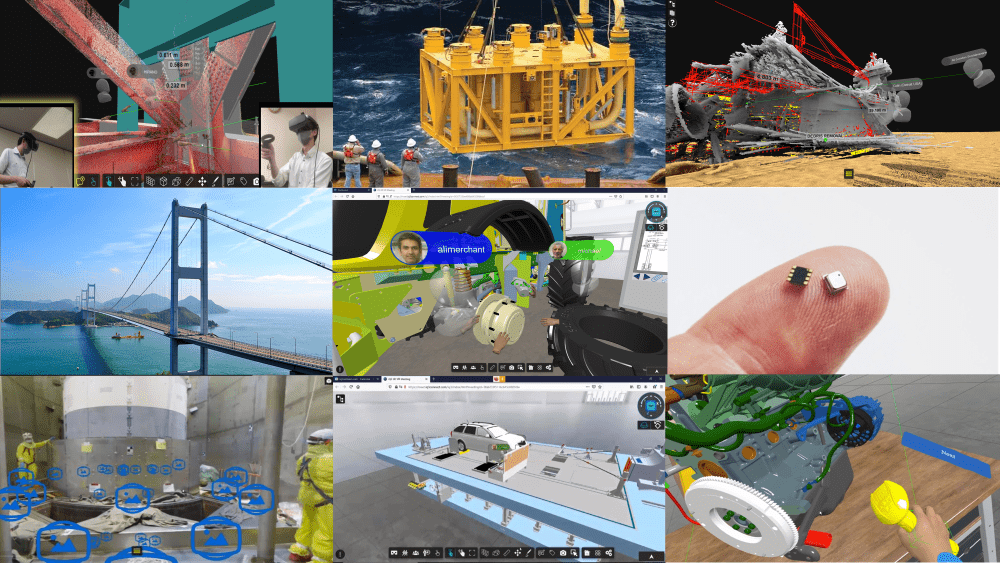
Inspections generate vast amounts of data, including measurements, photos, and notes. Drones capture detailed lidar data which can be utilized as an accurate 3D foundation for creating digital twins. In addition, many industries have design or CAD drawings that can provide greater detail and accuracy when combined with lidar or scan data. Data capture can also include 360 images and videos that can further enhance the digital twin. Documentation and real-time sensor data can be added to the digital twin to provide live actionable information. A digital twin provides the basis for visualization in immersive reality devices at 1:1 scale creating opportunities for virtualizing inspection applications that traditionally rely on in-person activities. Such digital twins can be accessible 24×7 in a persistent manner for a variety of business applications. Open web-based rendering approaches as Webgl and more advanced WebGPU for rendering provide powerful and scalable software capability for diverse business environments. More recently the WebXR and OpenXR standards provide a unified approach for supporting VR, AR, and MR devices in a vendor agnostic manner eliminating key friction points for business adoption. One example of using web technologies for XR can be viewed live at https://iq3connect.com/xr.


Opportunities


Enhanced Safety, Efficiency, and Reduce Business Disruptions

By reducing the need for physical presence in hazardous areas, a digital twin environment can significantly enhance safety, reduce the cost of travel and moving equipment. The impact is an increase in operational efficiencies and reduction in business disruptions. Inspectors can perform virtual walkthroughs to inspect dangerous or hard-to-reach areas at their own pace, minimizing the risk of accidents. Adding immersive VR and AR to the inspection processes can provide 1:1 scale accurate visualization which cannot be achieved with flat screen approaches. This new modality reduces the need to always be on location and therefore minimizes business disruptions when travel is not feasible.


Inspector Training

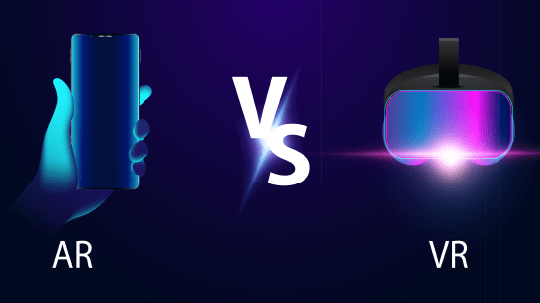
Digital twins with immersive training environments can simulate real-world inspection scenarios. VR can create realistic 3D environments where trainees can practice inspections without the constraints of physical locations. For example, a trainee can virtually inspect an oil rig, practicing safety protocols and identifying defects in a controlled setting. AR and MR can enhance on-the-job training by overlaying digital information on physical objects. Inspectors can use AR glasses to receive step-by-step guidance, access technical documents, and visualize internal structures, reducing the learning curve and improving accuracy.


Real-Time Collaboration with Experts

Similarly, a multi-user environment with digital twins can enable real-time collaboration between on-site inspectors, remote experts, and stake holders in various geographic locations. Using AR glasses, an inspector in the field can share their viewpoint with an expert located elsewhere, who can then provide immediate feedback and guidance. This capability is especially valuable in complex or hazardous environments where expert input is critical. Collaborative platforms can further enhance this by allowing remote experts to annotate the inspector’s field of view, highlighting areas of concern, or suggesting corrective actions.


Considerations

While the adoption of immersive technologies in the inspection industry is highly promising, there are a few considerations to keep in mind to fully realize their potential over a period. VR, AR, and MR technologies are advancing rapidly and current hardware limitations, such as resolution, field of view, and battery life, are being improved with each new iteration. Integrating immersive tools and digital twins with current inspection workflows and data management systems is paving the way for faster adoptions of digital inspection capabilities with a more direct impact operational efficiency and business ROI. Further the cost associated with VR, AR, and MR technology is decreasing rapidly as the technology matures and more device choices become available. Finally, cloud computing and 5G networks are making these technologies more accessible, even in remote areas, addressing key pieces for accelerating business adoption.

Adopting new technologies comes with a learning curve and change management. As inspectors and users become more familiar with immersive and digital twins, adoption will accelerate forcing change at various levels in the industry. The inspection industry operates within a framework of strict regulations, and aligning new technologies with these standards is essential. Regulatory bodies are beginning to recognize the advantages of VR, AR, and MR technologies and are working towards developing guidelines and standards to facilitate their use. As the benefits of these technologies become more evident, regulatory acceptance and standardization will inevitably be addressed.


Concluding Remarks

Digital twins created from inspection data can be leveraged repeatedly across multiple applications, and when combined with immersive visualization, offer significant opportunities to transform the inspection industry. Continuous advancements in technology, better business integration, cost reduction, regulatory acceptance, and innovations in AI will inevitably drive quicker adoption in the inspection industry. As key barriers to entry are eliminated, digital twins combined with VR, AR, and MR are set to become integral tools in ensuring higher safety, quality, and efficiency of inspections across various sectors.


This article was featured in NDE Outlook https://source.asnt.org/22d6m27/17

Case Study: Leveraging Virtual Reality for Steel Bridge Construction – Yokogawa Bridge Corporation

Background

Yokogawa Bridge Corporation, a leader in Japan’s steel bridge construction industry, sought innovative solutions to enhance their engineering workflows, improve communication, and reduce errors throughout the design and construction process.


Challenge

Traditional review methods relied on printed drawings and physical meetings, which made it difficult to identify complex design issues early, coordinate among distributed teams, and effectively communicate with clients and partners.


Solution

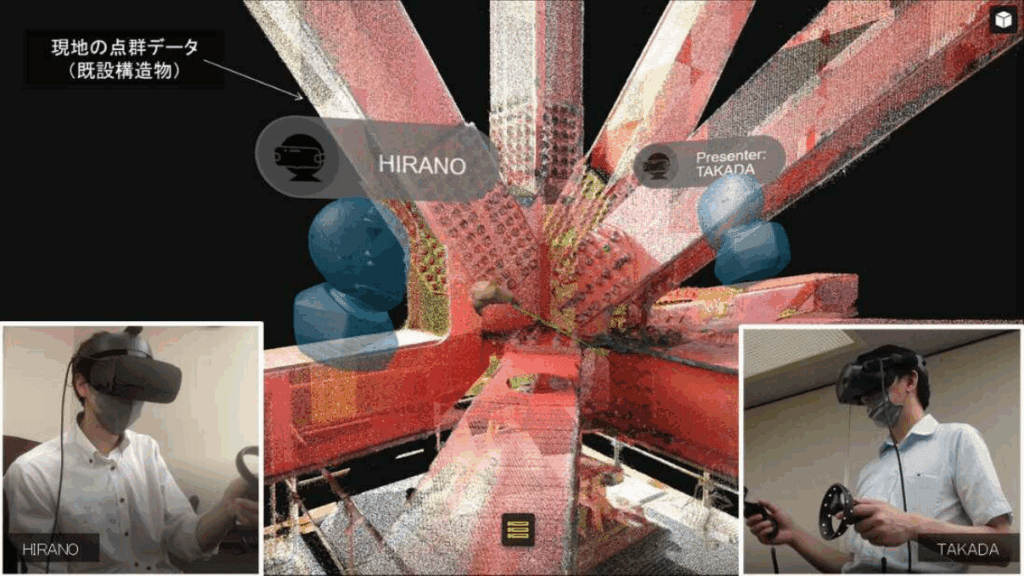
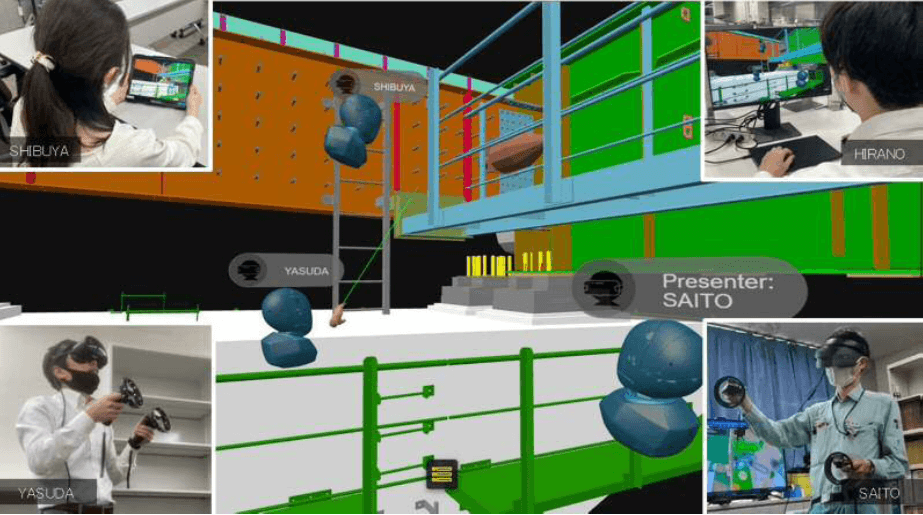
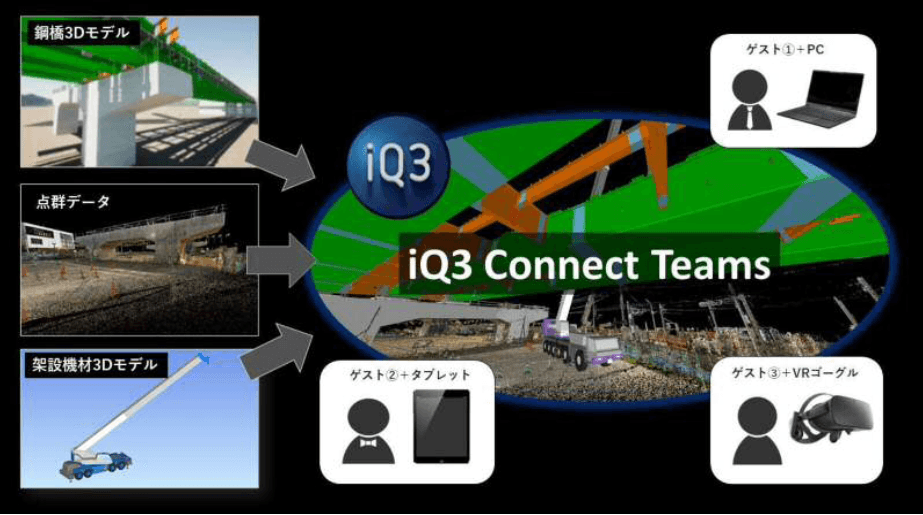
By adopting iQ3Connect’s web-based VR platform, Yokogawa Bridge was able to visualize full-scale 3D models of their steel structures in immersive virtual environments and seamlessly combine CAD with reality capture LIDAR scan data of their sites. Engineers, designers, and stakeholders could now review detailed bridge models collaboratively from any location—using VR headsets, PCs, or tablets—without requiring specialized software or complex installations.


Results

  • Improved Design Review: Teams detected and addressed design inconsistencies and interferences early in the process, reducing costly rework during fabrication and assembly.

  • Enhanced Communication: Virtual meetings in 3D environments enabled clear, intuitive discussions and decision-making among engineers, partners, and clients.

  • Cost & Time Savings: Remote VR sessions eliminated the need for frequent travel and streamlined review cycles, accelerating project delivery.

  • Safer Training: VR also provided a risk-free environment for operator and safety training, further supporting workforce development.


Conclusion

Yokogawa Bridge’s deployment of iQ3Connect’s VR platform marks a significant step in digital transformation for steel construction, setting a precedent for how immersive technology can drive efficiency, safety, and collaboration in complex engineering projects.


Reference: Nikkei Article: “A Bridge Built in Virtual Space” (Japanese)

Icon

Form Submitted!

Thanks for submitting the form. An iQ3Connect representative will be reaching out to you shortly. In the meantime, please feel free to review some of our resources below.

Icon

Form Submitted!

Thanks for submitting the form. An iQ3Connect representative will be reaching out to you shortly. In the meantime, please feel free to review some of our resources below.

Icon

Form Submitted!

Thanks for submitting the form. An iQ3Connect representative will be reaching out to you shortly. In the meantime, please feel free to review some of our resources below.

Icon

Form Submitted!

Thanks for submitting the form. An iQ3Connect representative will be reaching out to you shortly. In the meantime, please feel free to review some of our resources below.