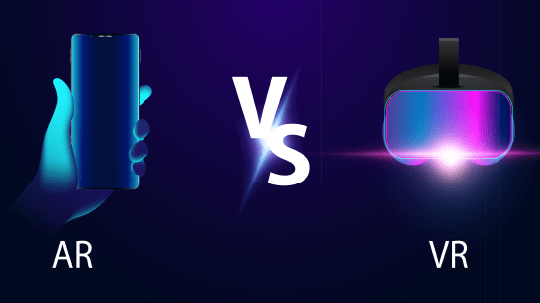
iQ3Connect’s VR & AR Solution for Construction
Our web-based XR training and collaboration platform empowers individuals, teams, and enterprises in the construction industry to create, deploy, collaborate, and learn with immersive and interactive 3D content on any VR, AR, PC, or mobile device. By transforming immersive 3D into a scalable productivity tool, construction organizations can leverage XR technology throughout a project’s lifecycle, from design and planning to construction and on-site training.

Use 3D Product Data As-Is
Import 3D models of construction projects into VR/AR workspaces for training and collaboration with automatic optimization—no experts or developers are required. We support common CAD formats and can integrate with your project management system.

Ultrafast Collaborative XR on any Device
One-click, secure access to immersive workspaces in your web browser – no apps or software downloads. Use any VR, AR, PC, or mobile device.

No-Code Training Creation
Create custom virtual training environments without the need for extensive technical or programming knowledge. Our intuitive web UI is making XR authoring as easy as creating a slide deck.

Enterprise-Ready
Secure cloud or on-premise hosting, single sign-on, access control lists, and rich web APIs for PLM, LMS, and any other business integration need.
Trusted By







Rajendra Chitragar
Managing Director, Arya Engineers & Contractors
C M Venkat
Vice President, Oil & Gas Subsea
Joe Strelow
President, AVL
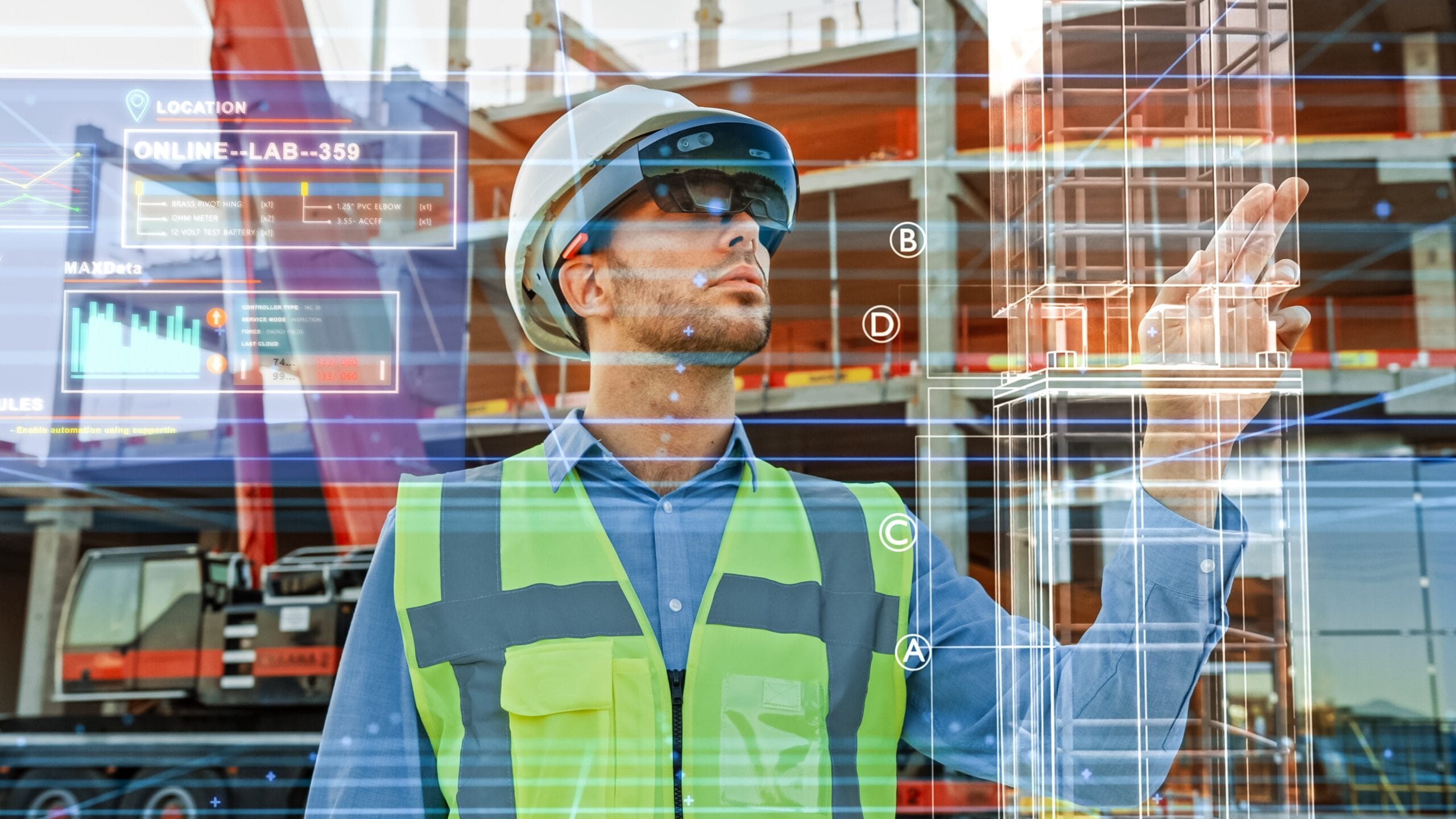
Why AR & VR Training and Team Collaboration are Essential for the Construction Industry
The construction industry faces several significant challenges, driven by factors such as technological advancements, labor shortages, and economic uncertainty. Key issues include managing labor transitions, improving safety and productivity, addressing supply chain disruptions, and meeting the demand for sustainable building practices. Virtual and augmented reality (VR and AR) technologies applied to the construction industry offer tangible solutions to these challenges. These technologies enhance training, improve collaboration, and support more efficient project planning, leading to better outcomes in an increasingly competitive and evolving environment.
Virtual and augmented reality technologies applied in the construction industry provide tangible solutions to these challenges:
- Complexity in Design & Coordination: Modern construction projects involve complex designs and multiple teams working simultaneously, often resulting in coordination issues. VR helps visualize and develop prototypes of complex designs in 3D, allowing for better understanding and collaboration among designers, engineers, and construction teams. AR can overlay digital models onto physical spaces, improving coordination during the construction phase.
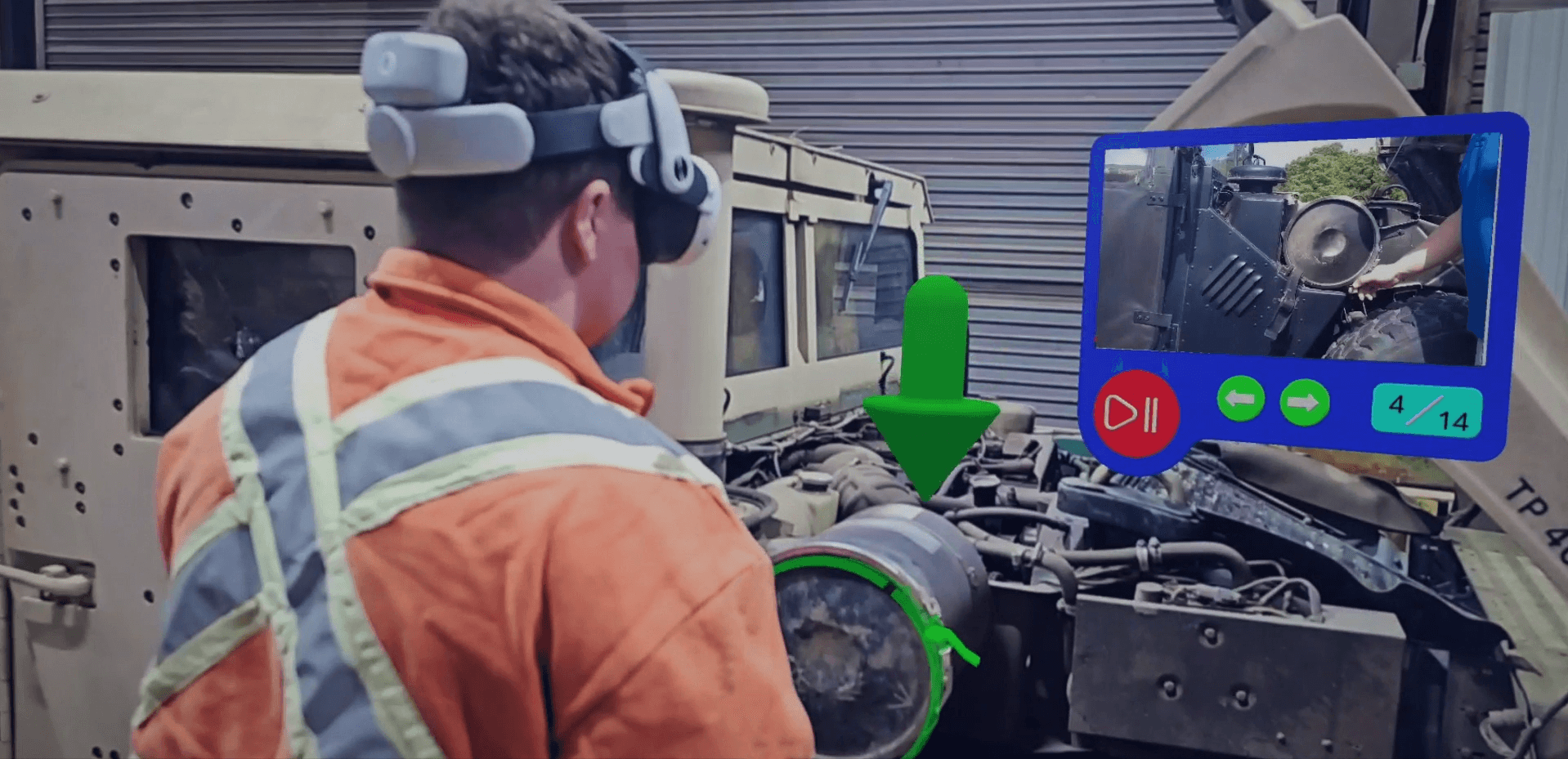
- Safety Concerns: Construction sites are inherently risky, with high accident rates. Ensuring worker safety is a constant concern. VR allows for the simulation of dangerous scenarios, allowing workers to experience and learn how to handle them in a safe, controlled environment. AR can display safety instructions or hazards directly on workers’ helmets or glasses, increasing situational awareness.
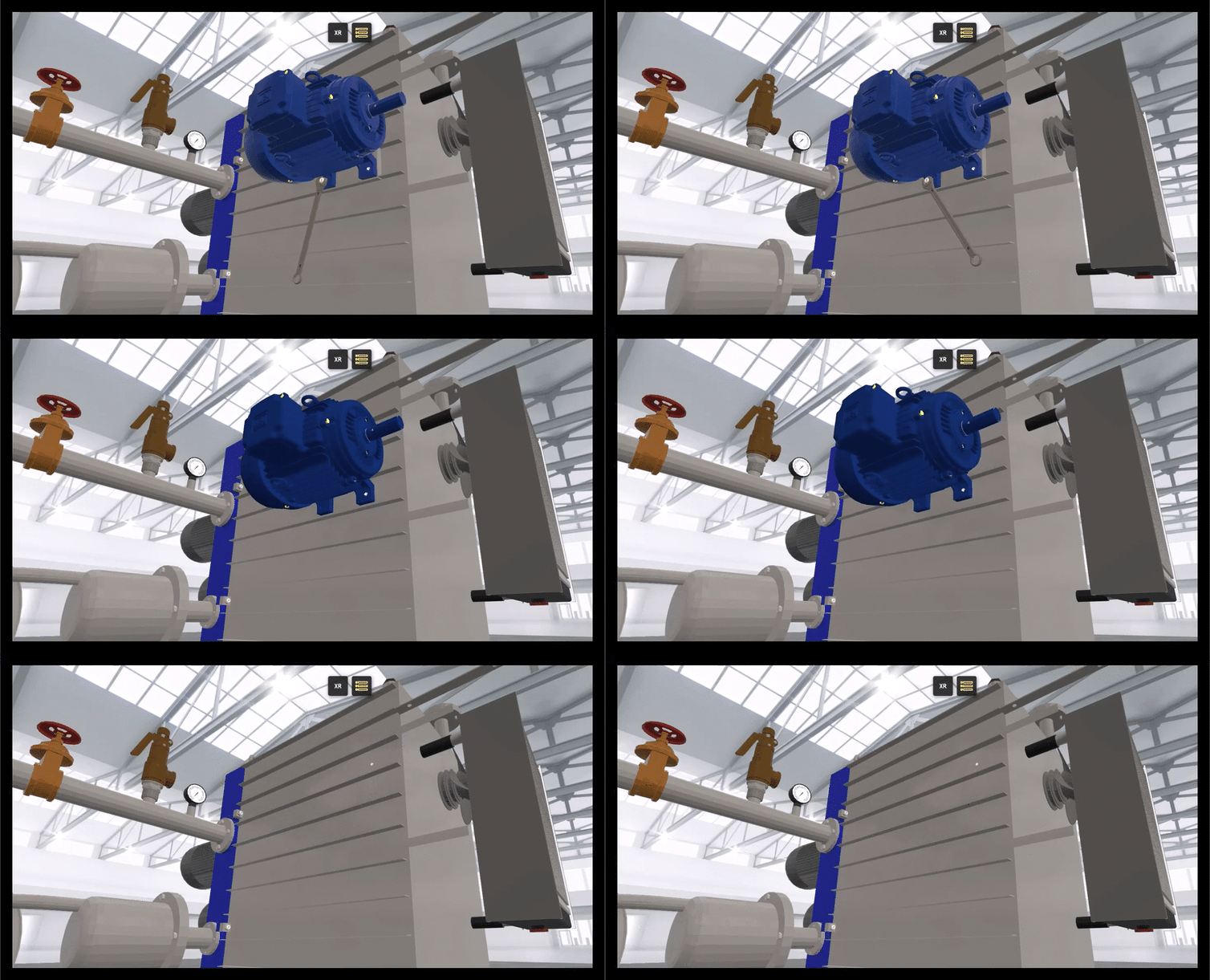
- Training and Skill Development: The construction industry faces a skills gap and a multi-generational workforce. VR and AR technologies help capture existing knowledge and train the new workforce more cost-effectively. These immersive training tools allow workers to practice complex tasks safely and efficiently, reducing the need for physical resources and minimizing training costs.
- Sustainability & Environmental Concerns: The construction industry is under pressure to adopt more sustainable practices and reduce its environmental footprint. VR can simulate the environmental impact of different design choices, allowing teams to select more sustainable materials and methods. AR can help workers identify energy-saving opportunities and optimize building systems during construction, leading to greener, more efficient buildings.

Case Study: Leveraging Virtual Reality for Large Construction Projects
A leading steel bridge construction company in Japan, Yokogawa Bridge Corporation, sought advanced digital solutions to modernize engineering workflows, enhance cross-site collaboration, training, and reduce costly design and construction errors. As one of Japan’s top steel structure fabricators with over a century of expertise, the company needed a scalable way to improve communication between distributed teams and stakeholders. Read more …
VR & AR Workforce Training
Workforce training in the construction industry is crucial for improving safety, productivity, and skill development. With the rise of VR and AR technologies, training has become more immersive and cost-effective. These tools allow workers to practice complex tasks in a safe, controlled environment, enhancing learning without the need for expensive materials or equipment. VR simulates hazardous situations for risk-free training, while AR offers real-time, on-the-job guidance. This approach bridges the skills gap, reduces downtime, and ensures higher knowledge retention, ultimately boosting safety and efficiency on construction sites.
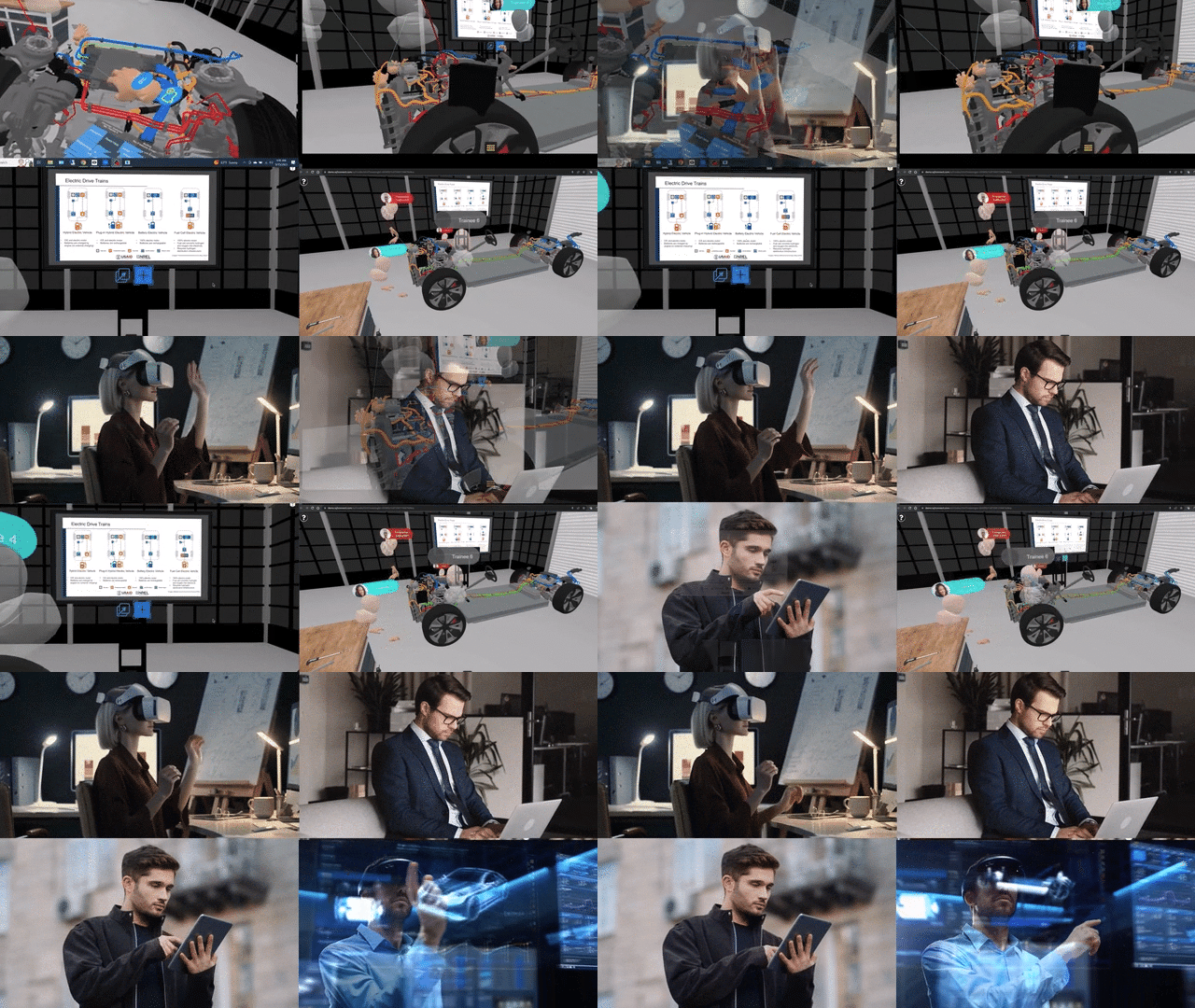
VR & AR Training Use Cases
Benefits of VR & AR Training

Accelerated and Improved Trainee Proficiency
XR training can not only be completed faster than traditional classroom training or e-learning, but VR trainees also perform better than their classroom and e-learning counterparts. In a study conducted by PwC, VR learners were 4x faster to train compared to classroom training and 1.5x faster to train compared to e-learning. In a study on the effects of virtual reality simulation in emergency evacuation training, it was found that VR trainees performed significantly better (22% more accurate and 7% faster) compared to traditional e-learning.

Reduced Training and Operational Costs
Integrating AR/VR into construction training eliminates the need for large-scale mockups, repeated physical setups, and on-site training logistics. Virtual simulations allow workers to safely practice complex tasks—such as equipment handling, hazard identification, or site walkthroughs—without using costly materials or interrupting active projects. According to industry case studies, immersive training reduces the need for consumables and physical assets, while cutting travel and downtime. For example, construction firms using VR-based training have reported a 60–70% reduction in training time and significant savings in labor hours. By enabling remote, repeatable, and scalable instruction, AR/VR also reduces dependency on senior supervisors for one-on-one guidance, improving workforce readiness while lowering operational overhead.
Workplace Safety and Risk Reduction
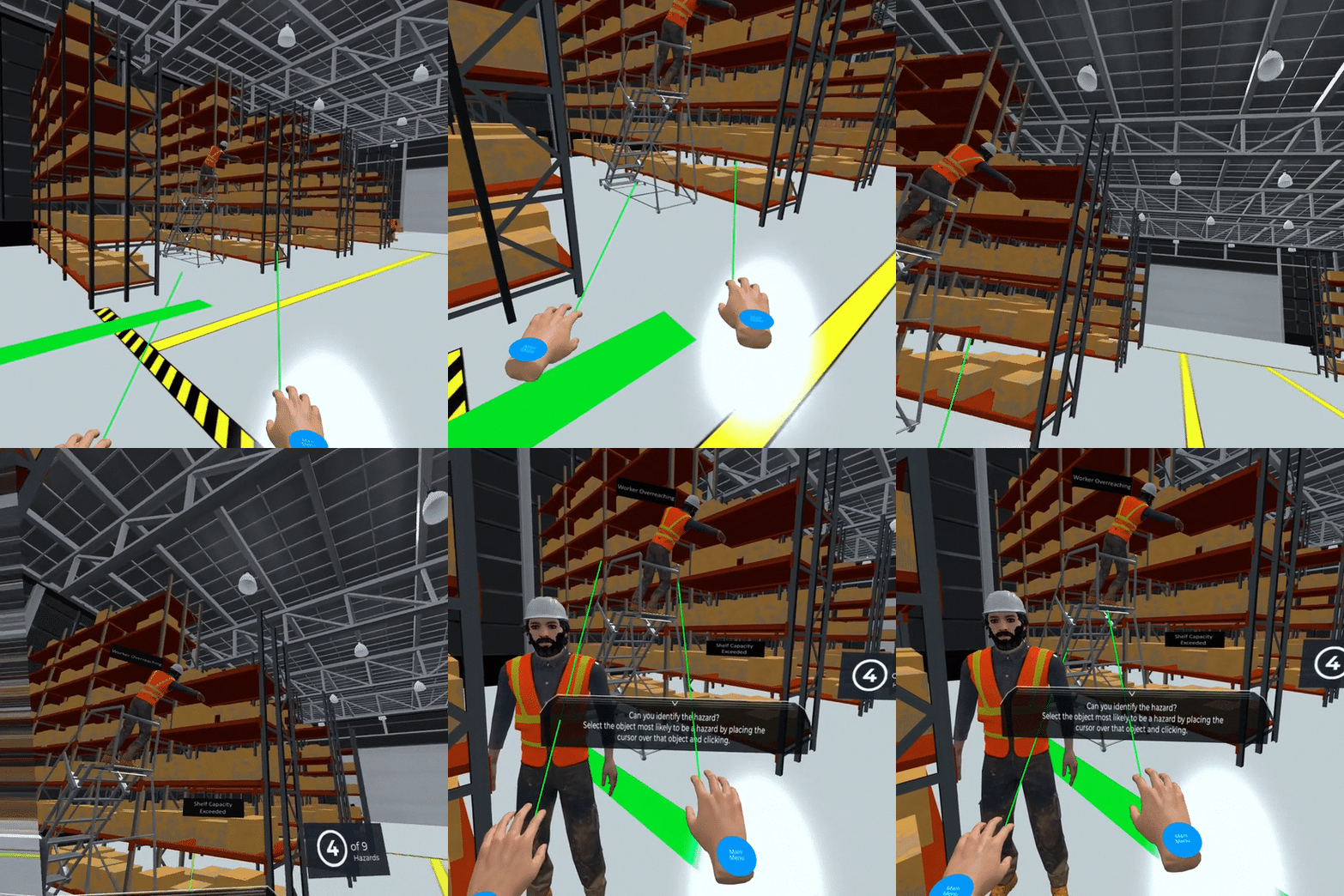
VR training improves workplace safety and reduces overall risk in numerous ways. First, by virtualizing certain training scenarios, a safe environment is created where a trainee can practice and learn without the safety risks that would accompany real-world errors and mistakes. Secondly, VR training provides opportunities for trainees to react to and address hazards that are too risky, costly, or infeasible to recreate physically. For construction companies, this approach is often used for VR safety training where trainees must navigate through a virtual facility to identify and address hazards. Workplace safety is also improved by better on-the-job performance of VR trainees. In their whitepaper, Intel estimated that their electrical safety training would reduce on-the-job incidents by 28%.

Remote Access & Collaboration
By virtualizing learning and development, VR training enables a global and diverse workforce to have instant access to quality training material regardless of their location. Yet this remote accessibility doesn’t have to come at the cost of team collaboration – a single VR training can easily accommodate multiple training modes. When taken as a single-user, on-demand experience, VR training offers trainees flexibility, yet this same experience can be structured as a multi-user, instructor-led training, fostering team collaboration across the globe without the travel costs and logistical challenges. It is estimated that by replacing onsite training sessions with remote VR training, travel costs can be reduced by over $1,000 per trainee per trip.

Data-Driven Performance Insights
VR training offers unrivaled in-depth data capture on trainee performance which businesses can use to optimize training methods and improve training outcomes. Unlike in-person training, VR training can seamlessly capture metrics from every action to provide unparalleled insight into trainee skill and knowledge gaps. This data can not only be used to help improve individual trainee outcomes but can also be aggregated to provide important insights into the overall performance of the training program, enabling identification of areas for improvement.
VR & AR Collaboration
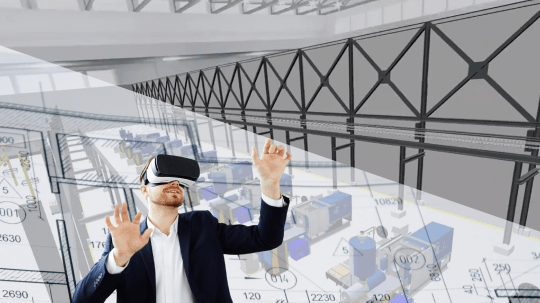
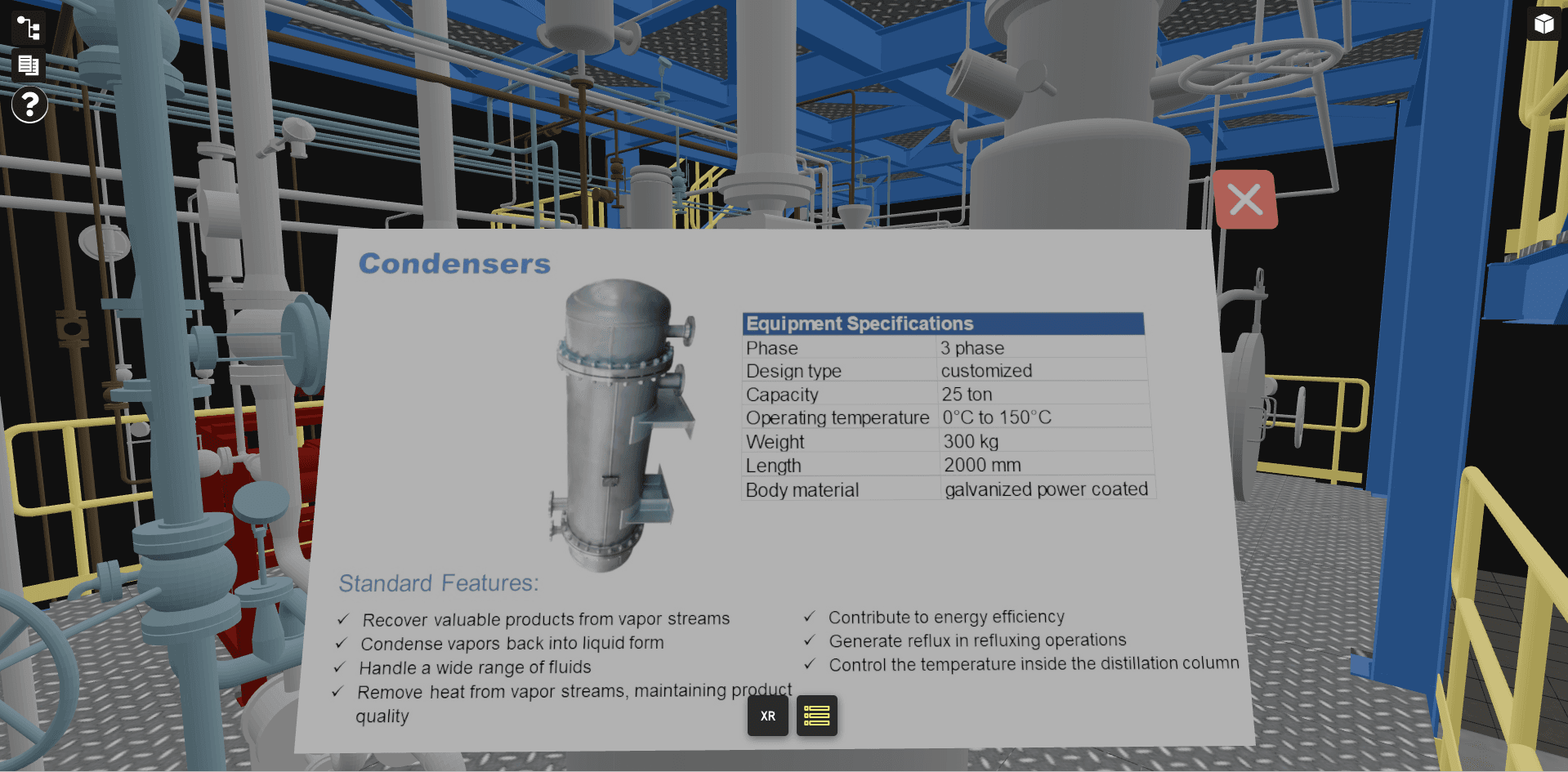
For the construction industry, with its diverse teams, contractors, suppliers, and clients, virtual collaboration using 3D models and real-time data has become essential to maintaining efficiency and competitiveness. By enhancing communication, decision-making, and teamwork among various stakeholders involved in design, planning, construction, and maintenance, VR and AR technologies offer tangible benefits to construction projects. These immersive tools enable teams to visualize plans in 3D, resolve issues before construction begins, and ensure that all parties—whether on-site or remote—are aligned, improving overall project outcomes and reducing costly errors.
VR & AR Collaboration Use Cases
Benefits of VR & AR Collaboration

Reduce Physical Prototyping
Save cost and time and reduce your environmental impact by leveraging VR & AR technologies to reduce physical prototypes. The immersive and interactive experience provided by VR & AR technologies allows teams to virtually evaluate the component, equipment, or facility as comprehensively as a physical prototype.

Reduce Costs of Collaboration
Geographically dispersed teams, including architects, engineers, contractors, and clients, can collaborate in real-time within virtual XR-enabled workspaces, no matter what device they use (VR, AR, PC, or mobile). By eliminating the need for on-site visits and in-person meetings for evaluating designs or conducting facility walkthroughs, VR and AR collaboration significantly reduces costs. A study by Forrester shows that it can save an average of $3,500 per trip per person, making the construction process more efficient and cost-effective.

Make Better Decisions, Faster
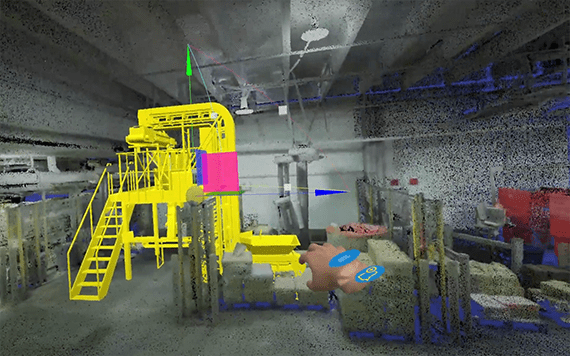
Real-time VR & AR design reviews and evaluations are empowering key stakeholders and decision-makers to interrogate the design and engineering of their site, plant, or any construction much earlier in the design process in a true 1-to-1 scale. This realistic, 3D virtual review accelerates the decision-making process by identifying design issues and improvement opportunities more quickly.

Improved Sustainability
VR and AR technologies help construction organizations reduce their environmental impact by eliminating the need for travel and physical prototypes. Virtual site inspections and 3D model reviews cut carbon emissions and support eco-friendly decisions during project planning and development.

Hardware and Software Compatibility
iQ3Connect’s VR & AR Solution is designed to ensure compatibility and seamless integration with the most common hardware and software used in the construction industry. Our platform is compatible with nearly all major VR and AR headsets available in the market, ensuring that teams, customers, suppliers, and partners can all immerse themselves and collaborate in an interactive 3D environment irrespective of what hardware they have access to. No headset, no problem! All immersive workspaces and training are accessible from a web browser on any device, even PCs, laptops, tablets, and cell phones. No software installations or app downloads are required. Our platform is also built to work with the most common CAD design software, Product Lifecycle Management tools, Learning Management Systems, and User Access tools such as single sign-on and Active Directory, enabling construction enterprises to seamlessly integrate immersive 3D into their everyday workflows.
Our platform is compatible with nearly all major VR and AR headsets available in the market, ensuring that teams, customers, suppliers, and partners can all immerse themselves and collaborate in an interactive 3D environment irrespective of what hardware they have access to. No headset, no problem! All immersive workspaces and training are accessible from a web browser on any device, even PCs, laptops, tablets, and cell phones. No software installations or app downloads are required.
Our platform is also built to work with the most common CAD design software, Product Lifecycle Management tools, Learning Management Systems, and User Access tools such as single sign-on and Active Directory, enabling construction enterprises to seamlessly integrate immersive 3D into their everyday workflows.

Overcoming Barriers to Adoption
The journey of adopting virtual reality (VR) and augmented reality (AR) is accompanied by several challenges for construction companies, each presenting its unique hurdles and requiring strategic navigation to ensure successful implementation and utilization. With the iQ3Connect Platform, these challenges can be minimized.
Initial Costs: The upfront investment in VR & AR technologies for large teams, including hardware like VR headsets and software, can be substantial. However, such upfront investment is no longer necessary. iQ3Connect’s device agnostic approach means that even teams with no XR hardware can start to realize the benefits of immersive collaboration and training using just their PCs, laptops, and mobile devices. Moreover, it’s pivotal to view any investment through the lens of long-term gains. The reduction in training costs, enhanced safety, and improved collaboration and product development provided by VR & AR solutions significantly offsets any initial outlay, presenting a compelling Return on Investment (ROI) over time.
Technical Challenges: The integration of new technologies can present technical challenges, such as compatibility issues with existing systems and workflows and the need for additional IT support. iQ3Connect addresses these challenges by offering a platform that seamlessly integrates into an organizations existing toolset, ensuring that administrative, IT, and user and content management efforts are not duplicated. Additionally, our web-based approach eliminates the need for software or app management.
Content Quality and Relevance: Developing high-quality, relevant VR & AR content that aligns with the specific needs and challenges of the Construction industry is crucial. Typically this is a time-consuming and costly endeavor involving developers, engineers, and CAD designers. With iQ3Connect, 3D product data can easily be imported into VR & AR experiences automatically, without modeling expertise, while integration into a PLM system can further streamline this process. Additionally, our no-code training creation empowers the training team, instructors, and subject matter experts to create immersive training material that is not only technically accurate but also directly applicable to real-world scenarios. All without programming or development expertise.
Improve team communication, accelerate workforce training, and streamline engineering workflows with iQ3Connect’s Construction XR Solution
Resources

News
iQ3Connect Product Release v2026.1.1
Read More
Blog
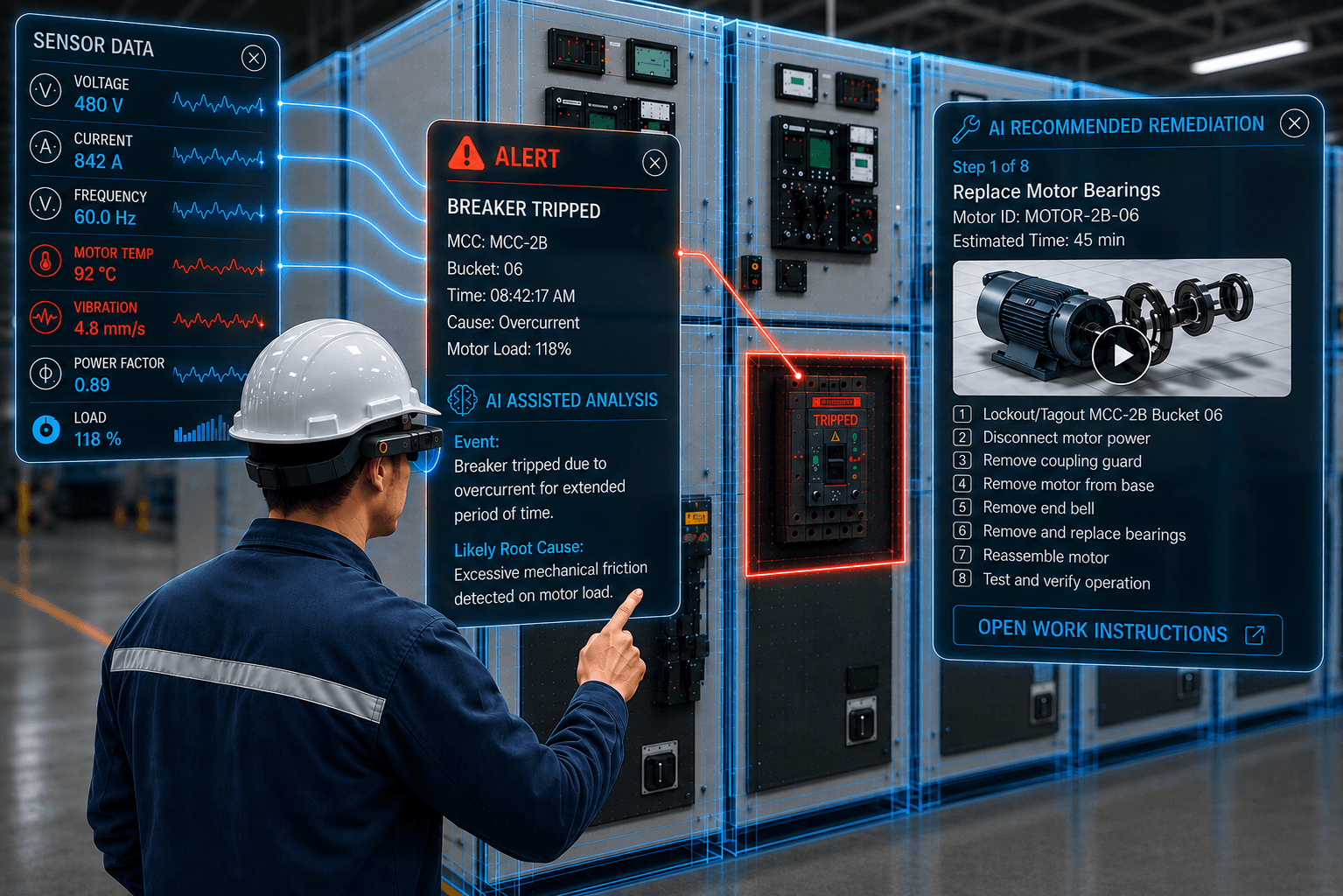
AI Factories Need More Than Compute: How Digital Twins A…
Read More
Blog
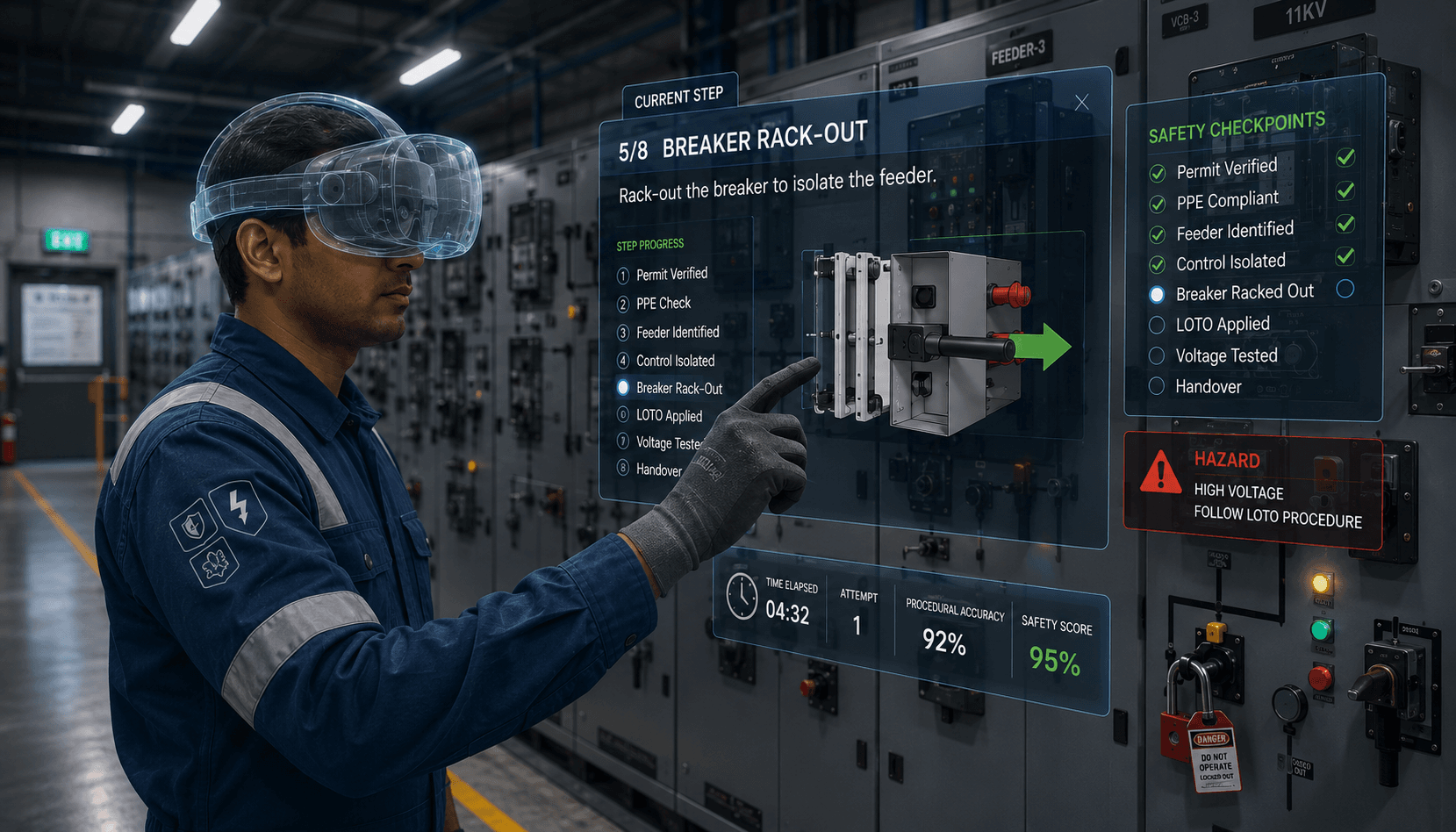
Case Study: VR Training for High-Risk Electrical Isolati…
Read More

News
iQ3Connect Product Release v2025.5.12
Read More
Blog
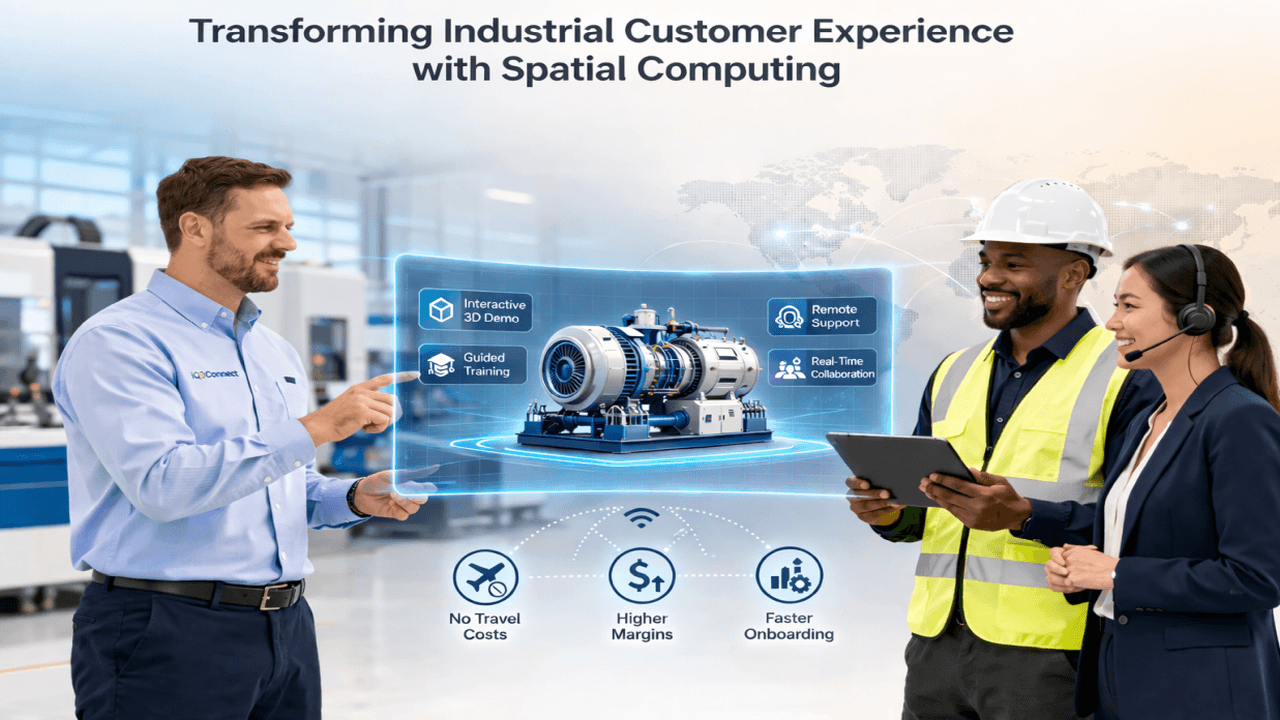
Digital Customer Experience in Industrial Manufacturing:…
Read More

News
iQ3Connect Product Release v2025.5.9
Read More
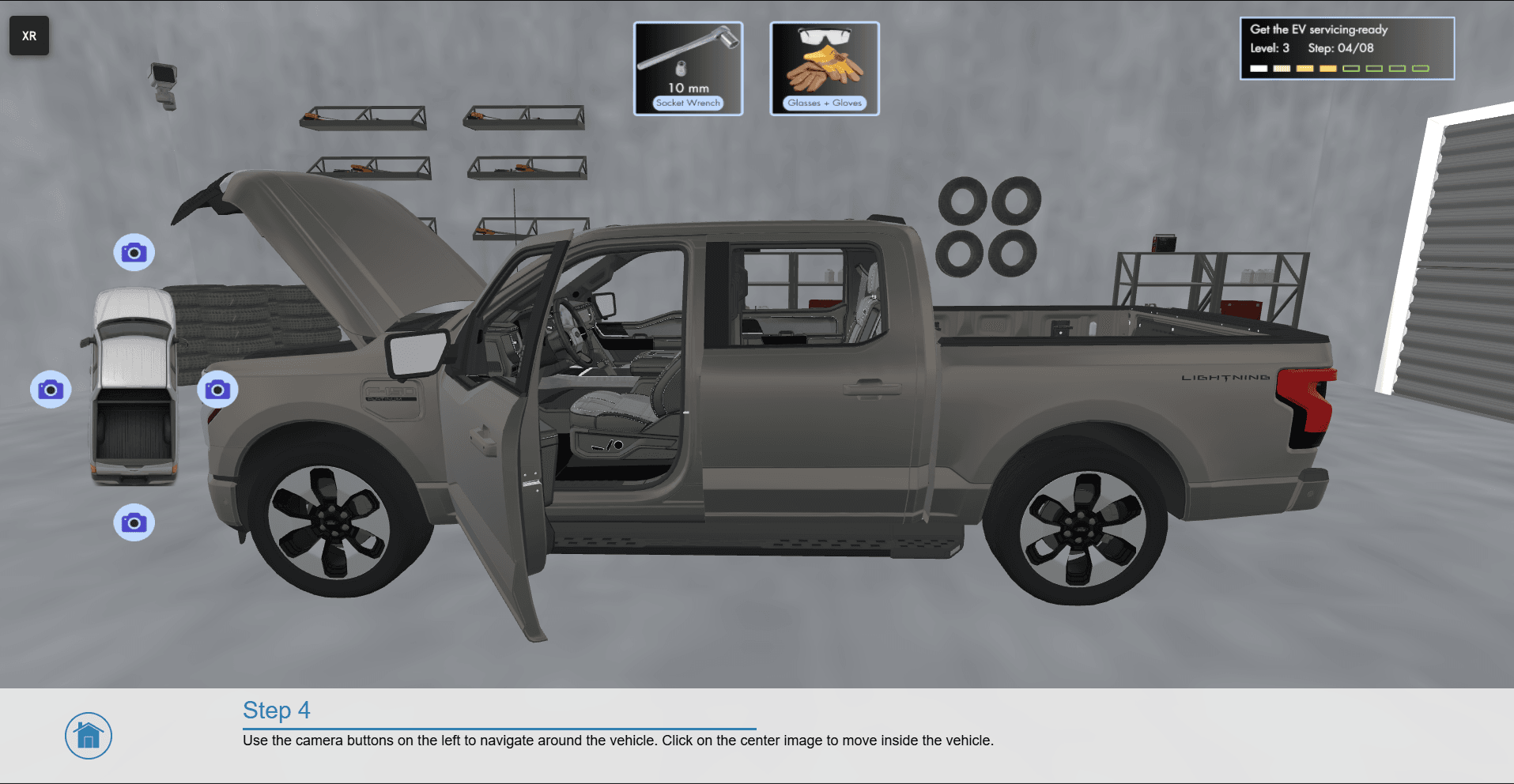
XR Workspace
Maintenance Training – Electric Vehicles (Video)
View Details
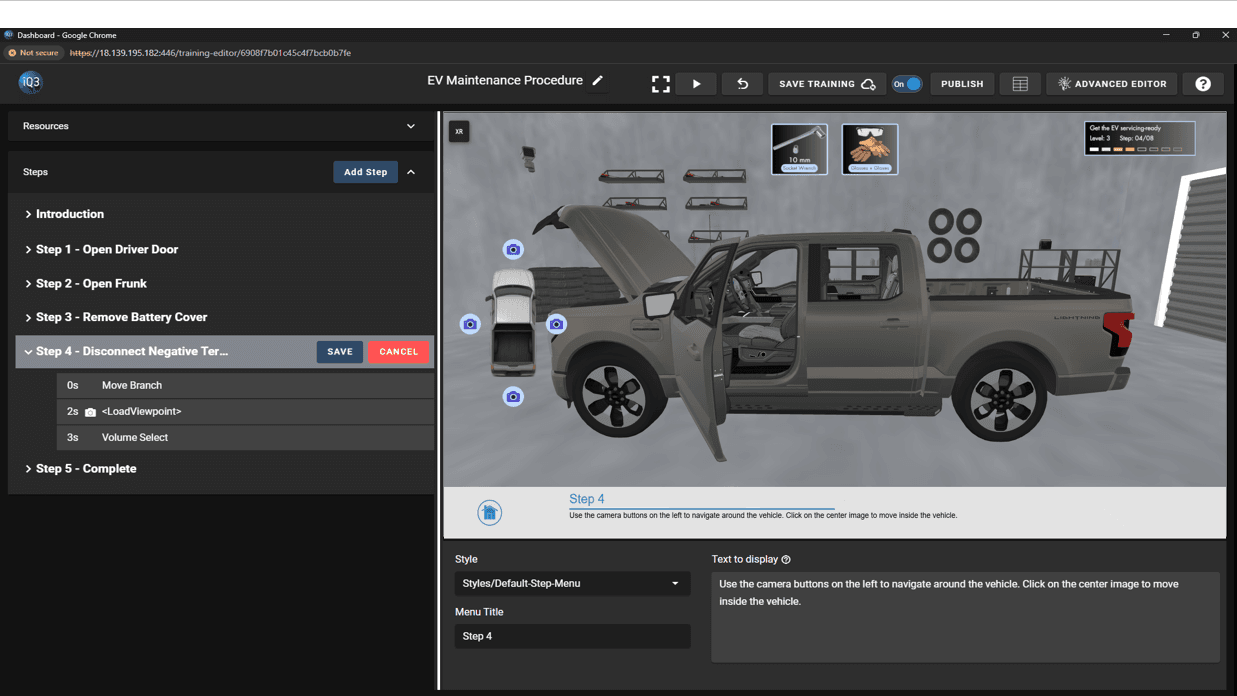
Blog
Beyond Game Engines: A Simpler Way to Create Immersive 3…
Read More
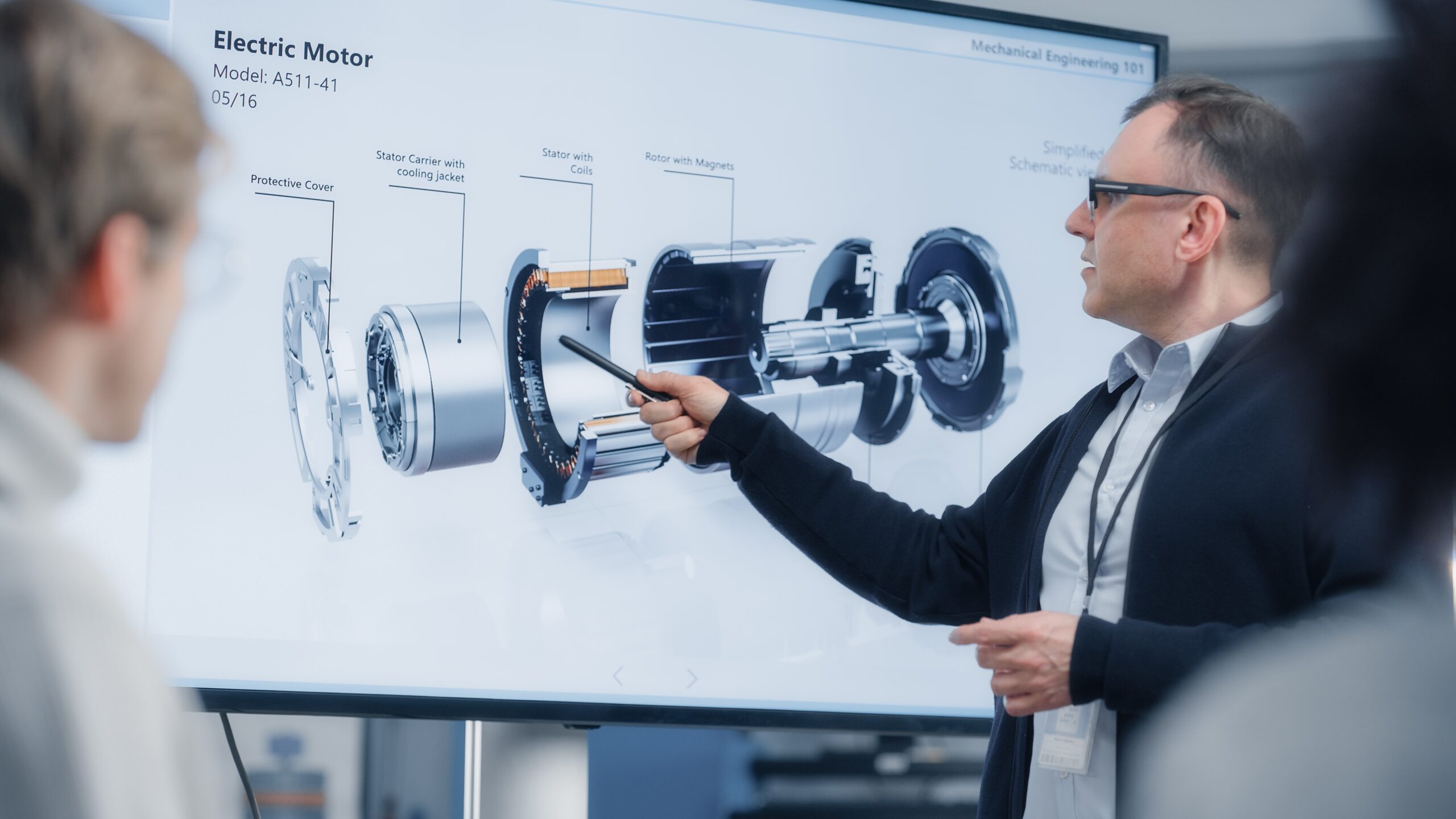
Blog
Rethinking Career and Technical Education: Immersive Vir…
Read More
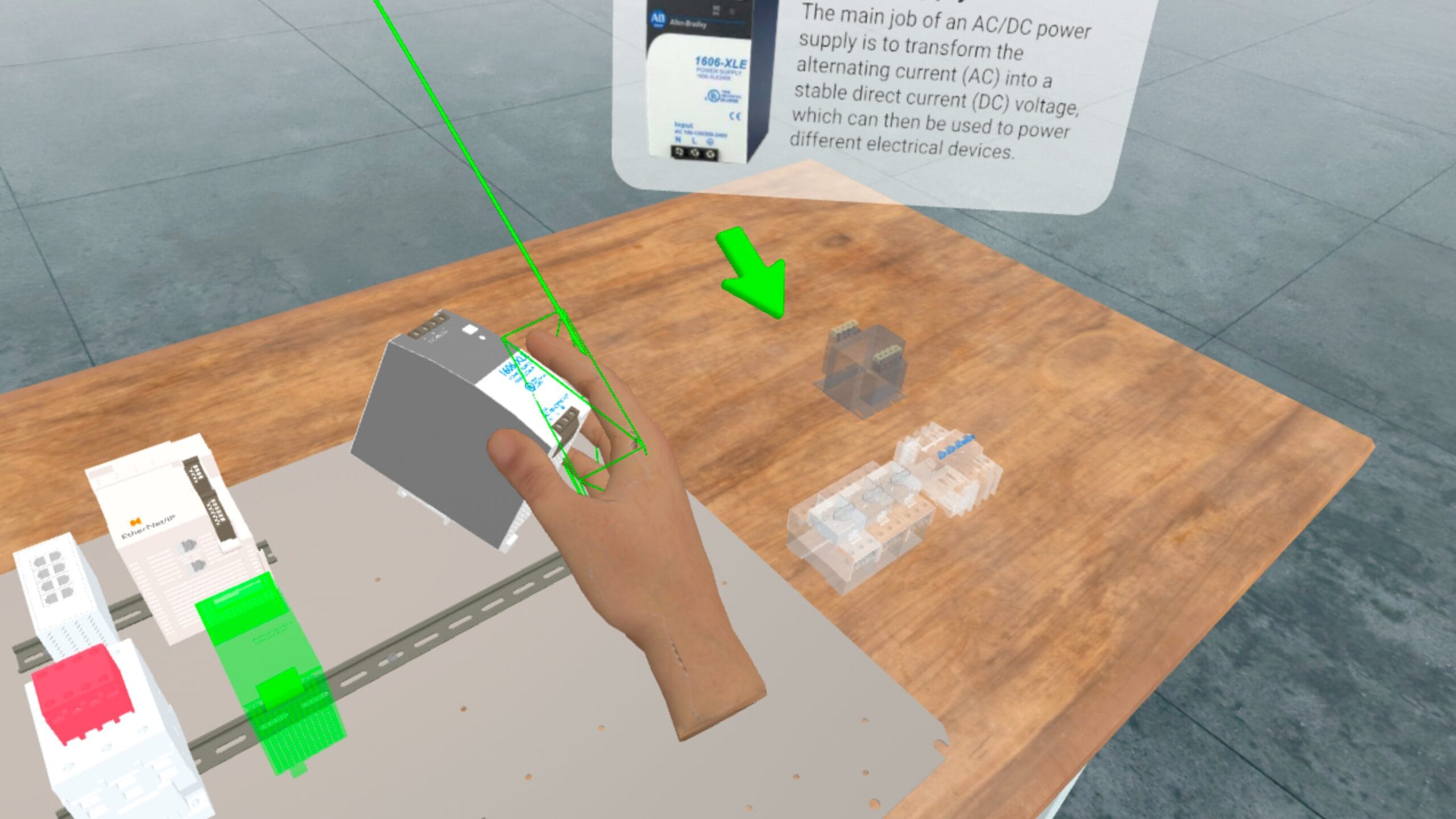
XR Workspace
Feature Showcase – XR Grab and Move
View Details