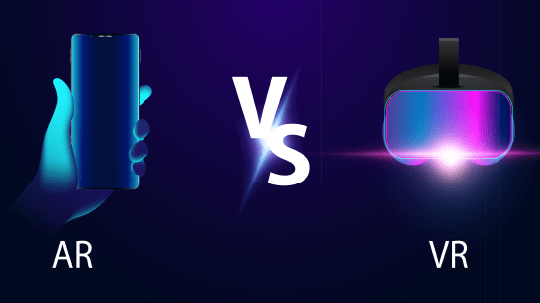
Using 3D Digital Twins with Immersive Visualization in the Inspection Industry


Background
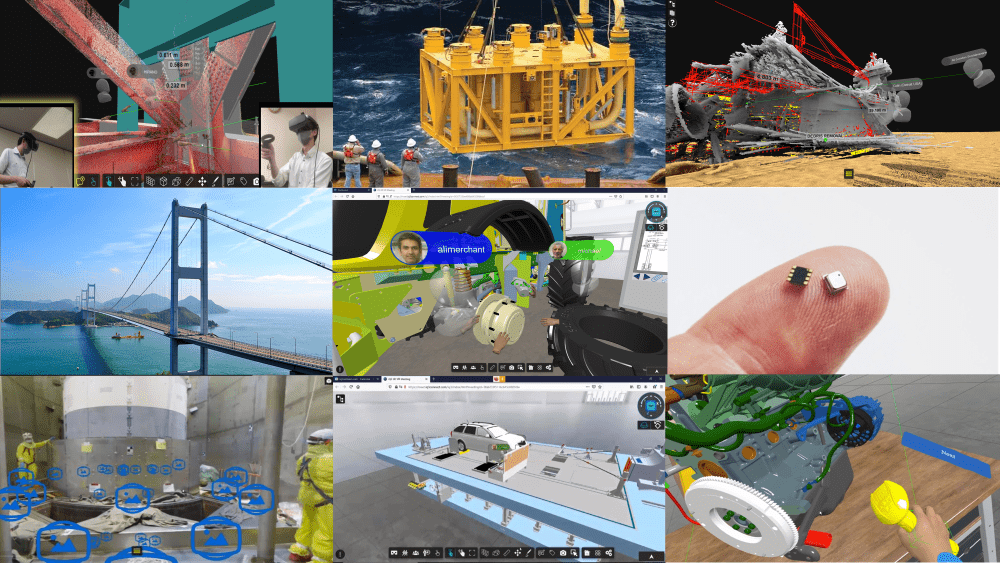
The inspection industry plays a crucial role across various sectors, including manufacturing, construction, oil and gas, and infrastructure. Inspections ensure compliance with safety standards, quality control, and maintenance schedules, mitigating risks and enhancing operational efficiency. Traditionally, inspections rely on manual processes and physical presence, which can be time-consuming, costly, and often hazardous. Advancements in reality capture and digital twins provide a strong foundation for 3D 1:1 immersive visualization in Virtual Reality (VR), Augmented Reality (AR), and Mixed Reality (MR). This combination offers innovative solutions for virtualizing inspector training, real-time collaboration, and data analysis visualization, potentially disrupting how inspections are traditionally conducted.
Persistent Digital Twins Creation and Visualization
Inspections generate vast amounts of data, including measurements, photos, and notes. Drones capture detailed lidar data which can be utilized as an accurate 3D foundation for creating digital twins. In addition, many industries have design or CAD drawings that can provide greater detail and accuracy when combined with lidar or scan data. Data capture can also include 360 images and videos that can further enhance the digital twin. Documentation and real-time sensor data can be added to the digital twin to provide live actionable information. A digital twin provides the basis for visualization in immersive reality devices at 1:1 scale creating opportunities for virtualizing inspection applications that traditionally rely on in-person activities. Such digital twins can be accessible 24×7 in a persistent manner for a variety of business applications. Open web-based rendering approaches as Webgl and more advanced WebGPU for rendering provide powerful and scalable software capability for diverse business environments. More recently the WebXR and OpenXR standards provide a unified approach for supporting VR, AR, and MR devices in a vendor agnostic manner eliminating key friction points for business adoption. One example of using web technologies for XR can be viewed live at https://iq3connect.com/xr.
Opportunities
Enhanced Safety, Efficiency, and Reduce Business Disruptions
By reducing the need for physical presence in hazardous areas, a digital twin environment can significantly enhance safety, reduce the cost of travel and moving equipment. The impact is an increase in operational efficiencies and reduction in business disruptions. Inspectors can perform virtual walkthroughs to inspect dangerous or hard-to-reach areas at their own pace, minimizing the risk of accidents. Adding immersive VR and AR to the inspection processes can provide 1:1 scale accurate visualization which cannot be achieved with flat screen approaches. This new modality reduces the need to always be on location and therefore minimizes business disruptions when travel is not feasible.
Inspector Training
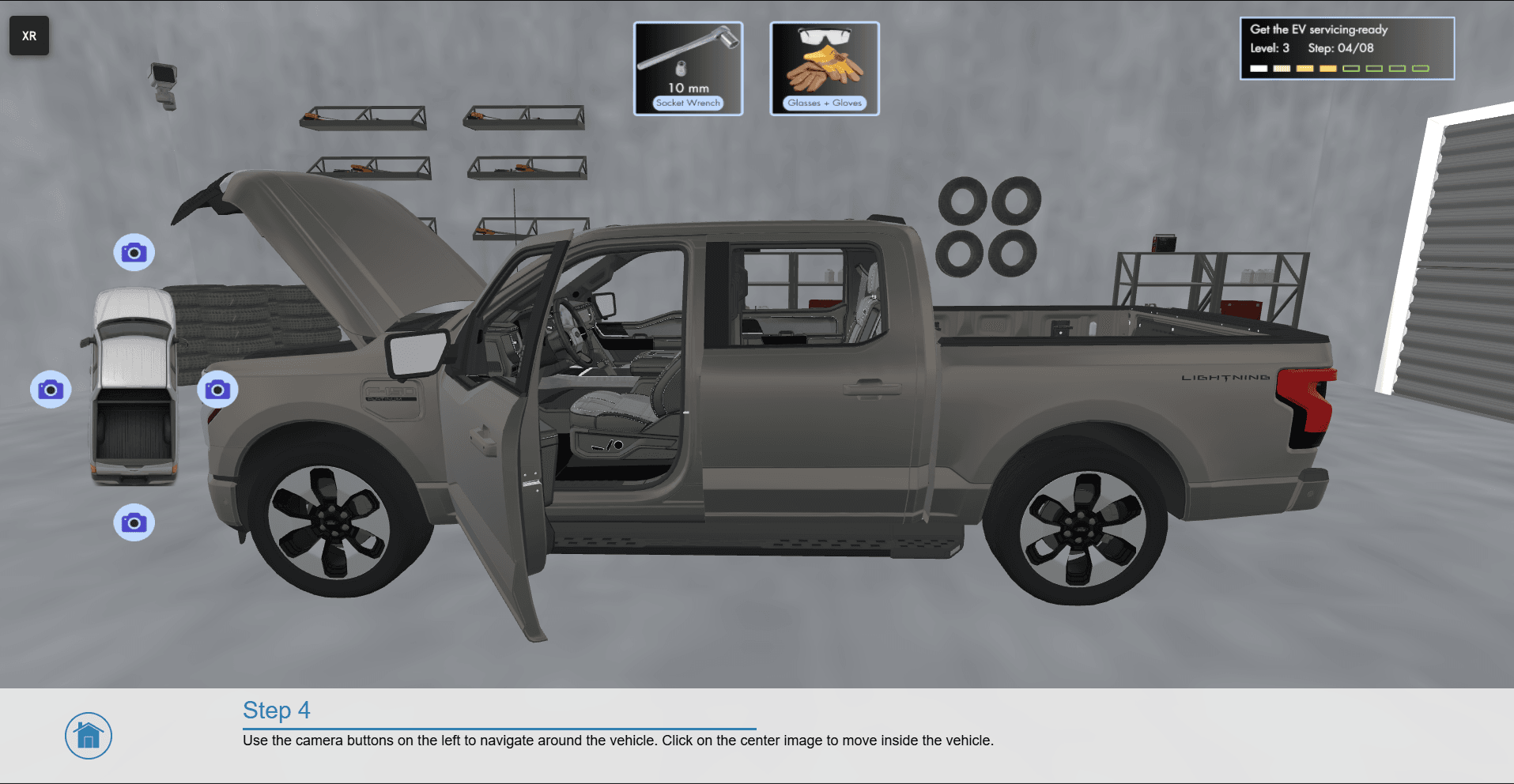
Digital twins with immersive training environments can simulate real-world inspection scenarios. VR can create realistic 3D environments where trainees can practice inspections without the constraints of physical locations. For example, a trainee can virtually inspect an oil rig, practicing safety protocols and identifying defects in a controlled setting. AR and MR can enhance on-the-job training by overlaying digital information on physical objects. Inspectors can use AR glasses to receive step-by-step guidance, access technical documents, and visualize internal structures, reducing the learning curve and improving accuracy.
Real-Time Collaboration with Experts
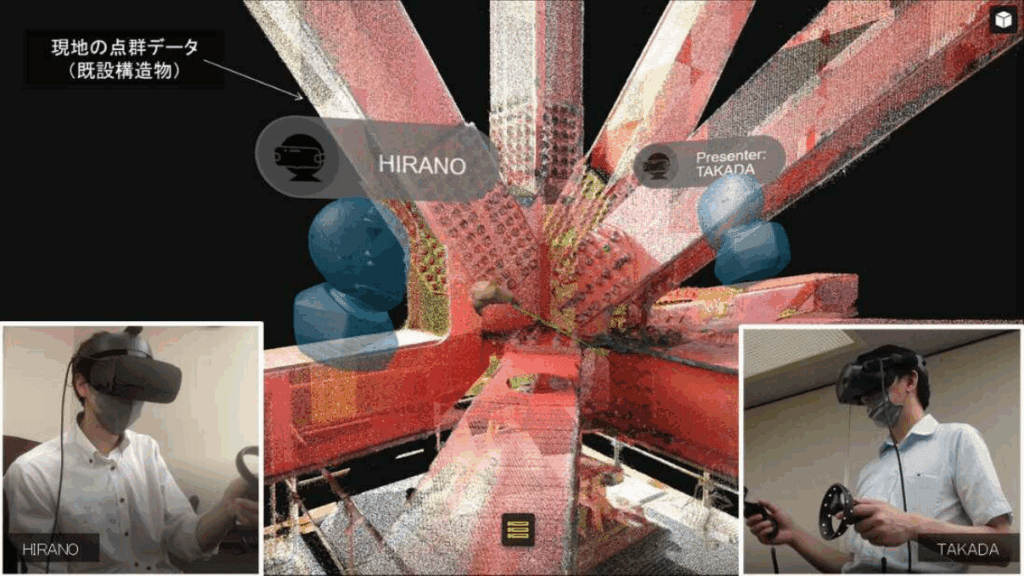
Similarly, a multi-user environment with digital twins can enable real-time collaboration between on-site inspectors, remote experts, and stake holders in various geographic locations. Using AR glasses, an inspector in the field can share their viewpoint with an expert located elsewhere, who can then provide immediate feedback and guidance. This capability is especially valuable in complex or hazardous environments where expert input is critical. Collaborative platforms can further enhance this by allowing remote experts to annotate the inspector’s field of view, highlighting areas of concern, or suggesting corrective actions.
Considerations
While the adoption of immersive technologies in the inspection industry is highly promising, there are a few considerations to keep in mind to fully realize their potential over a period. VR, AR, and MR technologies are advancing rapidly and current hardware limitations, such as resolution, field of view, and battery life, are being improved with each new iteration. Integrating immersive tools and digital twins with current inspection workflows and data management systems is paving the way for faster adoptions of digital inspection capabilities with a more direct impact operational efficiency and business ROI. Further the cost associated with VR, AR, and MR technology is decreasing rapidly as the technology matures and more device choices become available. Finally, cloud computing and 5G networks are making these technologies more accessible, even in remote areas, addressing key pieces for accelerating business adoption.
Adopting new technologies comes with a learning curve and change management. As inspectors and users become more familiar with immersive and digital twins, adoption will accelerate forcing change at various levels in the industry. The inspection industry operates within a framework of strict regulations, and aligning new technologies with these standards is essential. Regulatory bodies are beginning to recognize the advantages of VR, AR, and MR technologies and are working towards developing guidelines and standards to facilitate their use. As the benefits of these technologies become more evident, regulatory acceptance and standardization will inevitably be addressed.
Concluding Remarks
Digital twins created from inspection data can be leveraged repeatedly across multiple applications, and when combined with immersive visualization, offer significant opportunities to transform the inspection industry. Continuous advancements in technology, better business integration, cost reduction, regulatory acceptance, and innovations in AI will inevitably drive quicker adoption in the inspection industry. As key barriers to entry are eliminated, digital twins combined with VR, AR, and MR are set to become integral tools in ensuring higher safety, quality, and efficiency of inspections across various sectors.
This article was featured in NDE Outlook https://source.asnt.org/22d6m27/17
Related Blogs
Enterprise XR in 2026: From Pilot Projects to Scalable Browser-based Infrastructure
AI factories are redefining industrial infrastructure through advanced computing, automation, and digital twins. As these environments scale, workforce training must evolve alongside them. Explore how digital twins and enterprise XR can help organizations train employees, simulate complex operations, and prepare teams for the future of AI factory operations.
Read More
AI Factories Need More Than Compute: How Digital Twins Are Reshaping Operations and Workforce Training
AI factories are redefining industrial infrastructure through advanced computing, automation, and digital twins. As these environments scale, workforce training must evolve alongside them. Explore how digital twins and enterprise XR can help organizations train employees, simulate complex operations, and prepare teams for the future of AI factory operations.
Read More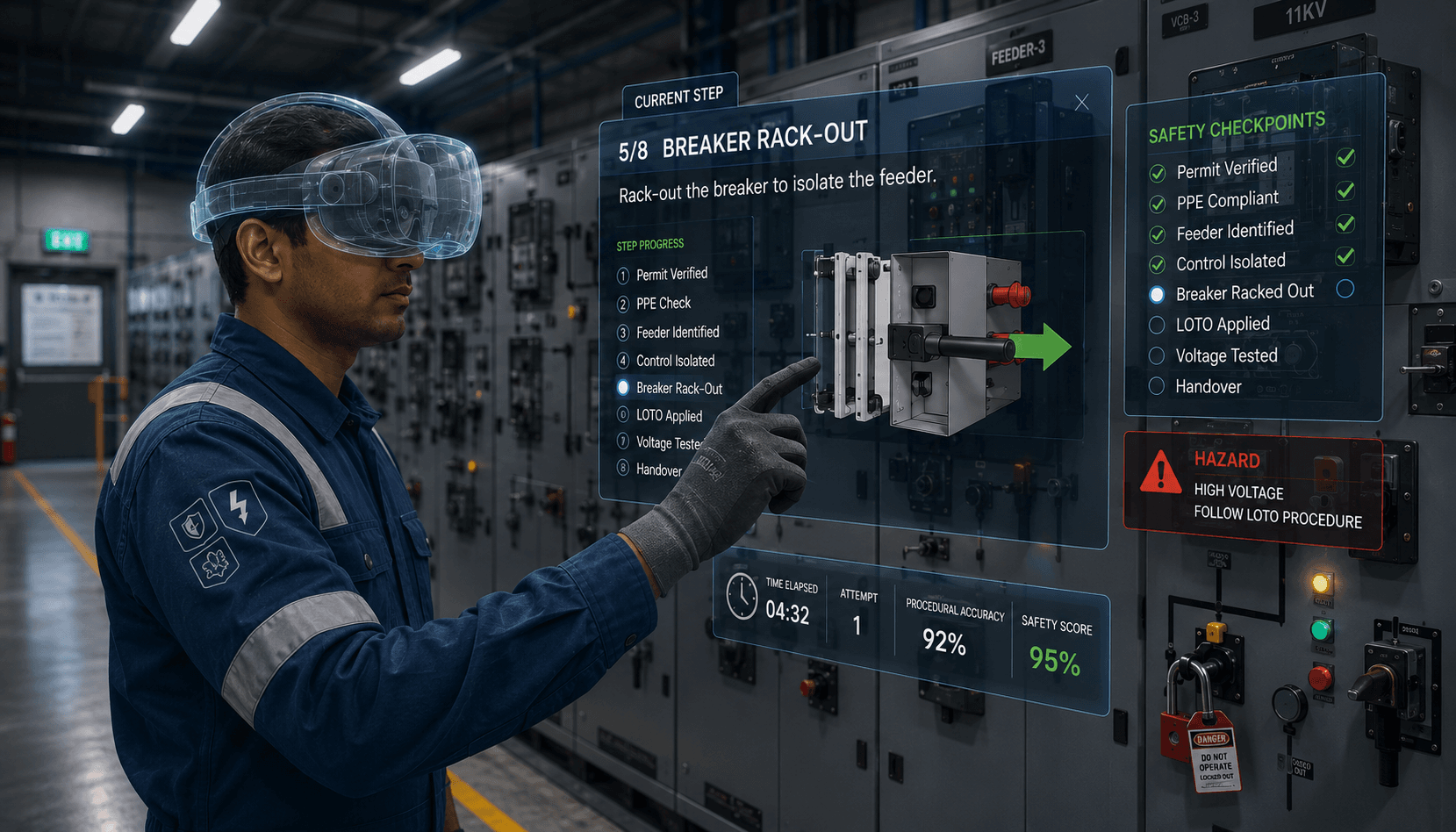
Case Study: VR Training for High-Risk Electrical Isolation & Lockout-Tagout (LOTO) Procedures in Oil & Gas Refineries
A Fortune 500 energy company transformed electrical isolation and Lockout Tagout (LOTO) training using iQ3Connect's browser-based VR platform. The solution standardized training across refinery sites, increased procedural retention by 40%, enabled three times more hands-on practice, and eliminated exposure to live electrical equipment during training.
Read More