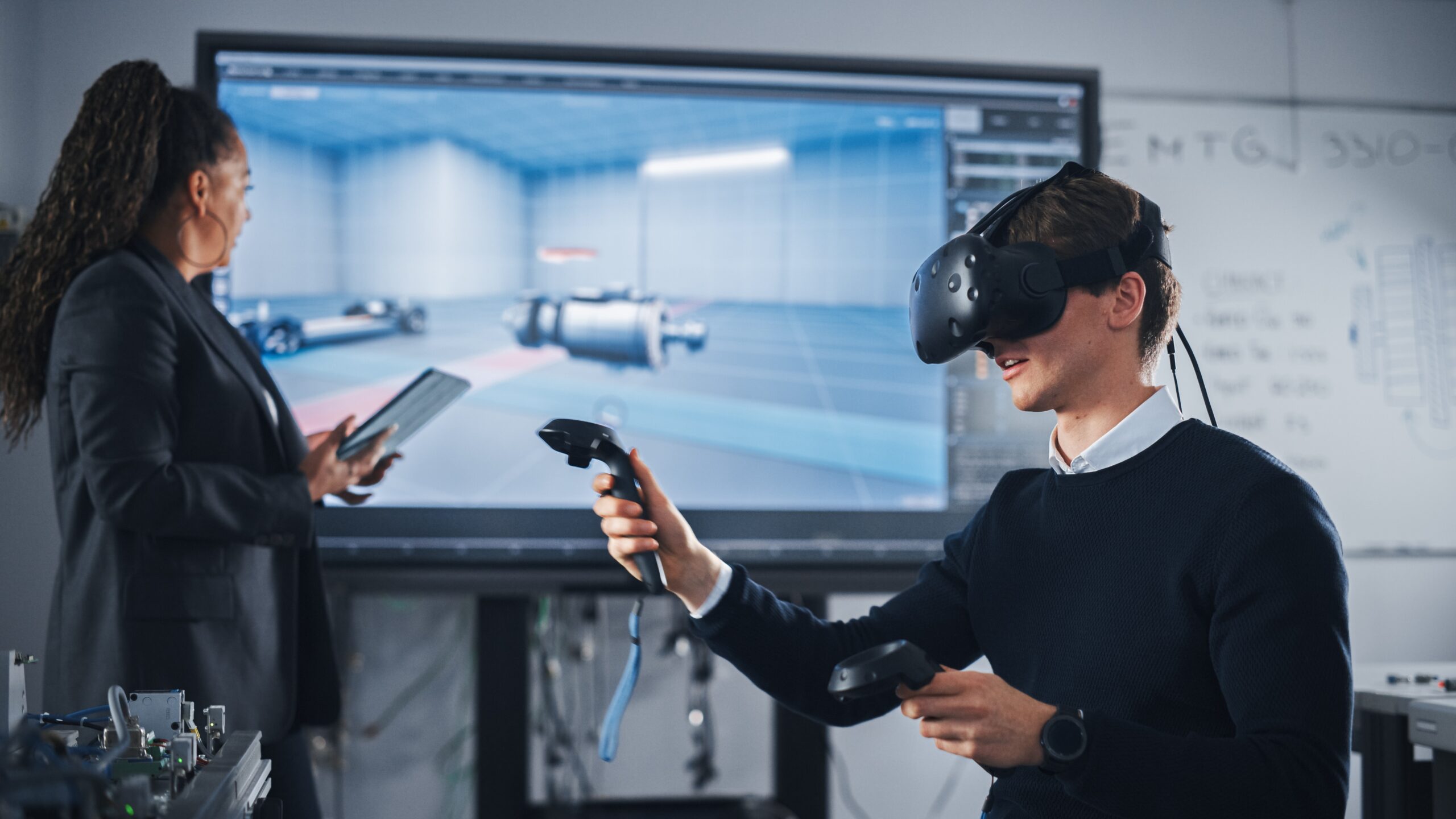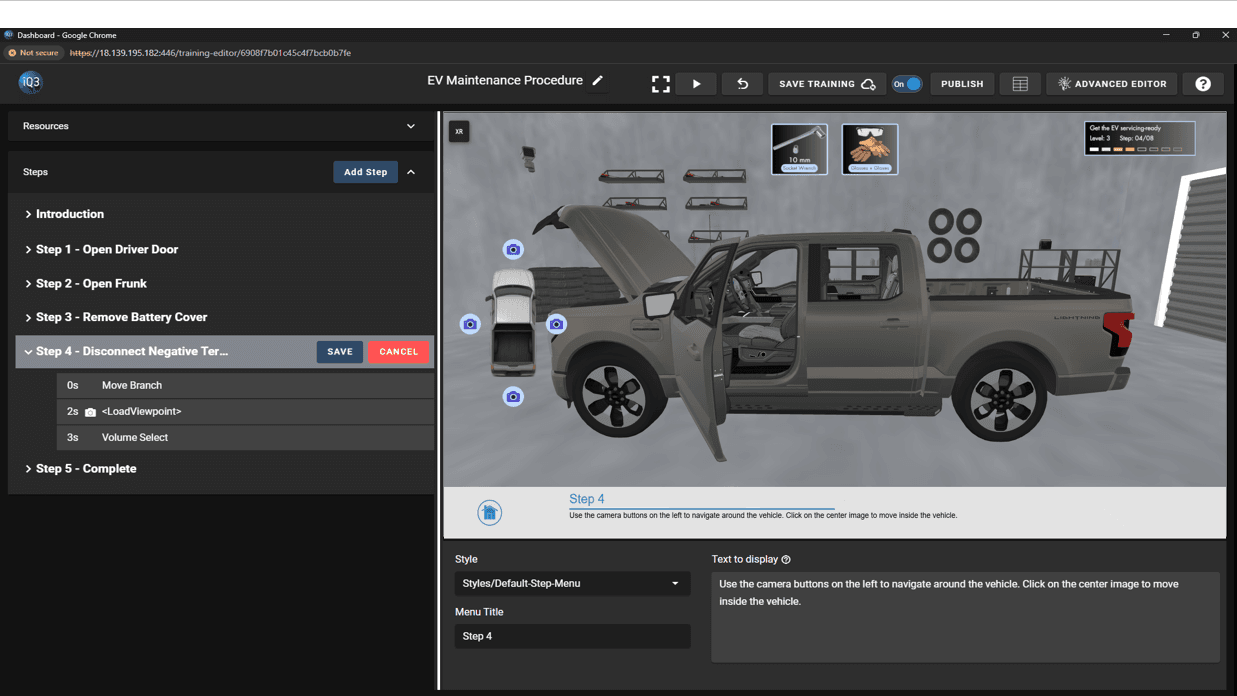

Collaborative VR: The Game-Changer for Plant Engineering & EPCM Projects

Why Traditional Plant Design Reviews Aren’t Enough

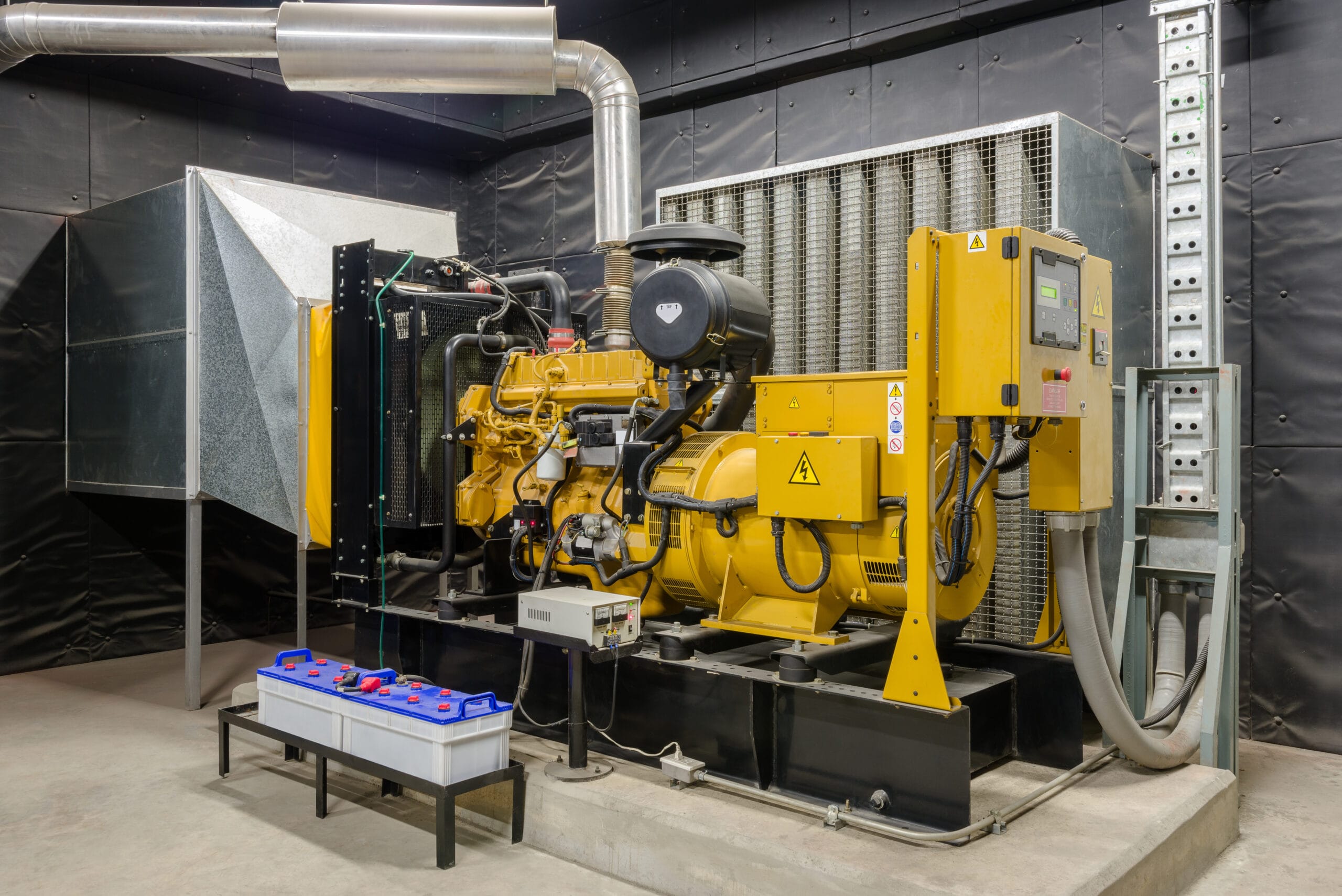
Global plant engineering projects—across chemical, pharmaceutical, and oil & gas industries—require precise coordination between teams spread across continents. Traditional workflows relying on 2D model reviews and in-person meetings often struggle to deliver the required spatial clarity, speed, and alignment.


Common challenges for engineering, procurement, and construction management (EPCM) include:

  • Difficulty visualizing complex plant layouts on flat screens

  • Delays in catching integration issues, such as clashes between disciplines

  • High travel costs and scheduling bottlenecks for stakeholder meetings

  • Risk of errors during construction due to inadequate training and limited site familiarity

  • Constructions costs can increase by 11% due to design changes, errors, and ommissions


What Sets Modern Collaborative VR Apart

Today’s most effective virtual reality collaboration platforms solve these problems by offering:

  • Instant, browser-based access—no downloads or plugins, just join from anywhere

  • One-click sharing for immersive sessions with any number of participants, regardless of device

  • Direct CAD model import from leading engineering design tools, without manual file conversions

  • Real-time model interaction—hide, isolate, annotate, or highlight plant components on demand

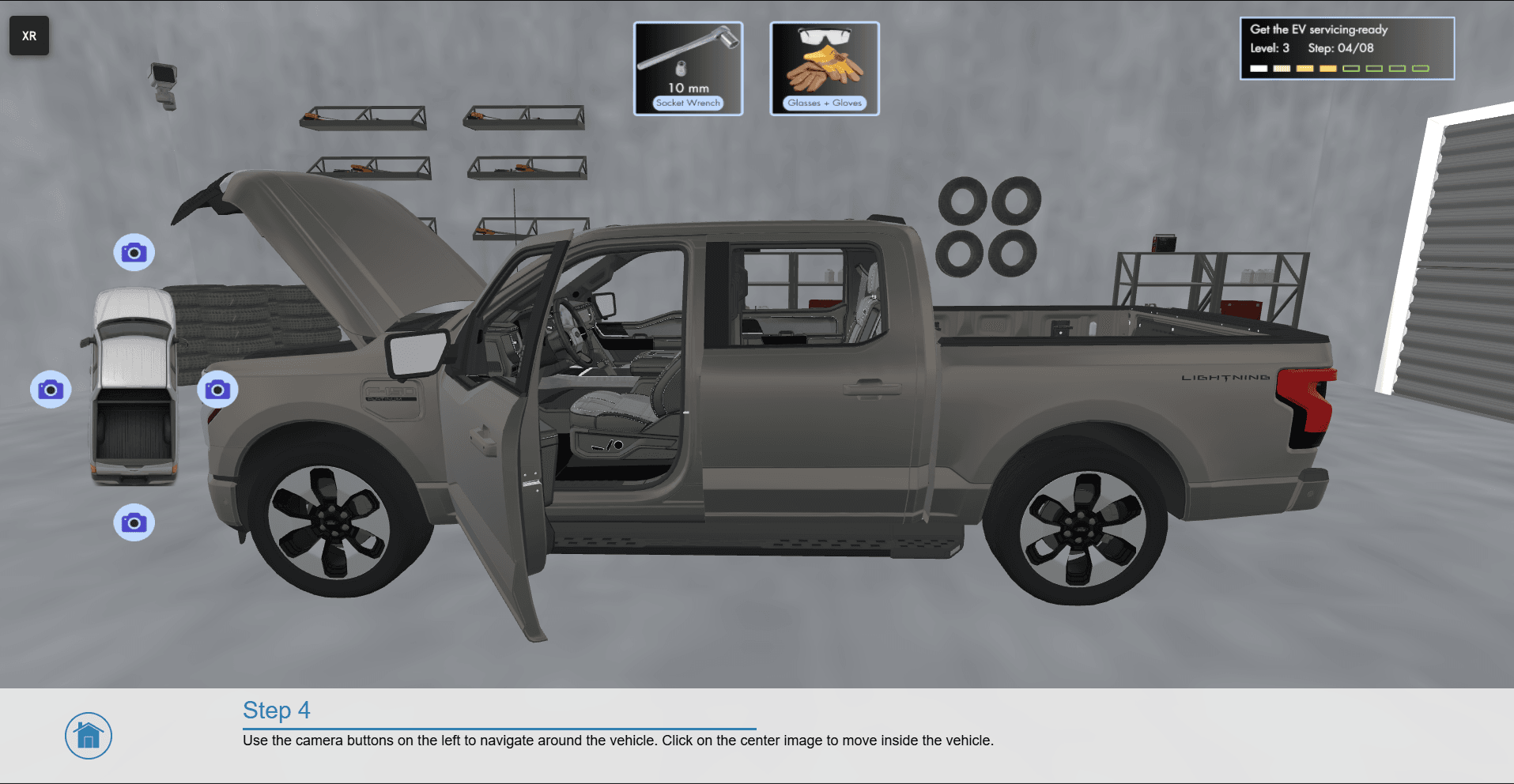
  • Integrated VR training modules so contractors and site staff can rehearse assembly steps and safety protocols virtually


Case Study: Global Plant Project, Real Results

A leading engineering firm deployed immersive VR collaboration for a major plant project, connecting 10 team members across two countries and four cities—all within a browser-based, interactive 3D environment.

The impact:

  • 24% reduction in total project effort

  • 36% cut in travel costs

  • Accelerated identification and resolution of design issues before construction

  • Safer, better-prepared construction teams thanks to interactive, scenario-based VR training

Early detection of layout conflicts (like cable tray routing and operational clearances) led to faster, more confident decision-making and minimized costly rework.


Endorsement from Industry Leaders

Don’t just take our word for it—see how industry innovators are using collaborative VR to transform project delivery. Check out this real-world success story from Arya Engineers & Contractors Pvt. Ltd., who leveraged immersive engineering reviews and remote collaboration to streamline a recent EPCM project:


Read the Arya Engineers LinkedIn Post

“The use of immersive collaborative VR helped our teams reduce travel, improve coordination, and ensure a higher quality handover to our client.”
— Arya Engineers & Contractors Pvt. Ltd.


The Future of Plant Design: Immersive, Browser-Based, and Secure

Not all VR solutions are created equal. The most effective platforms for engineering and EPCM projects feature:

  • Zero-install, device-agnostic access (PC, Mac, VR/MR headsets)

  • Unlimited participation with robust security and privacy controls

  • Real-time and asynchronous collaboration tools, including markup and voice annotation

  • Hands-on VR training capabilities to improve jobsite readiness and safety

By embracing these innovations, engineering teams can reduce project risk, save costs, and accelerate timelines—delivering better outcomes for all stakeholders.


Schedule a live demo or speak with our solution experts.
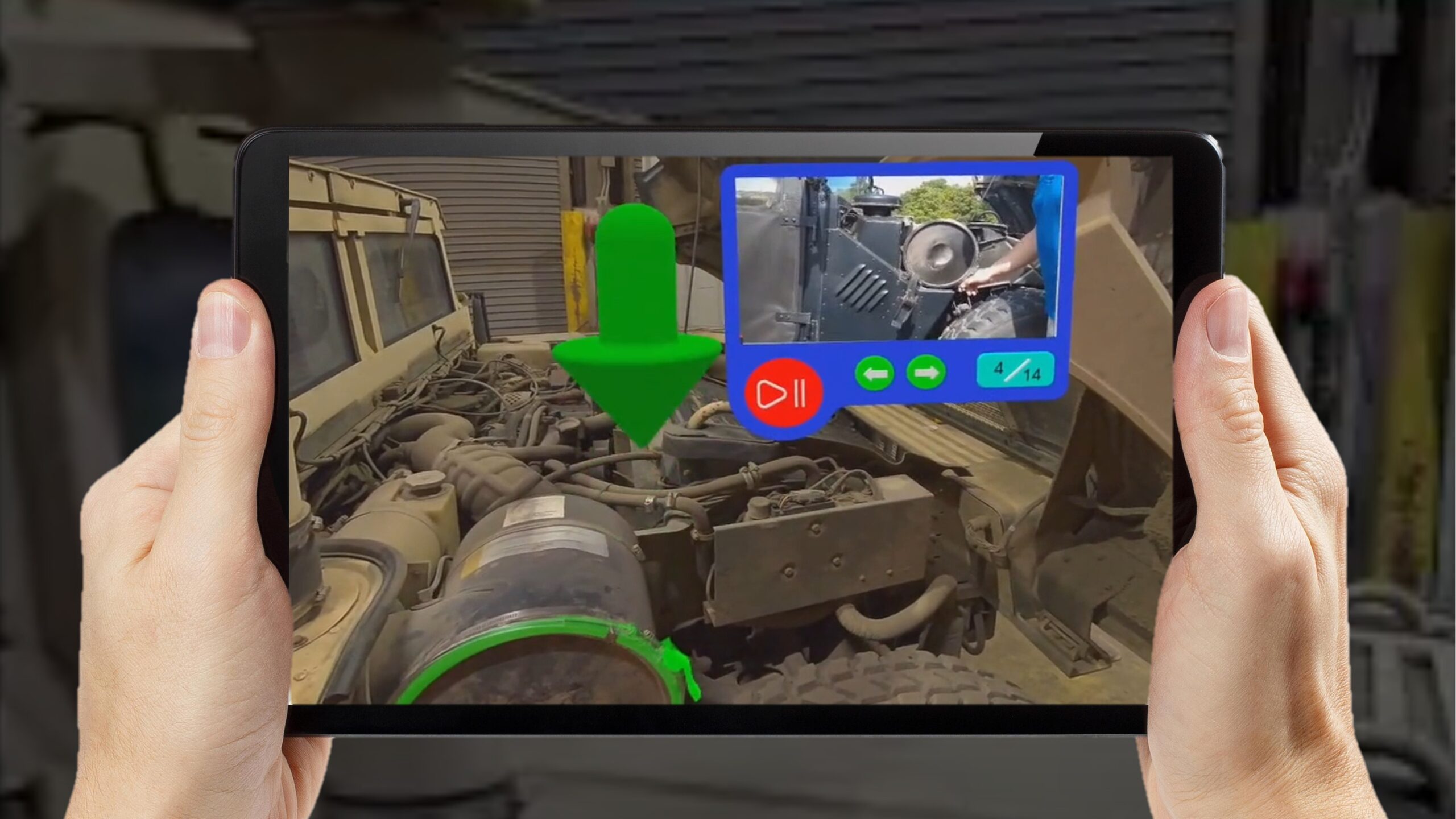
WebXR on iOS? How iQ3Connect Brings Web-Based Augmented Reality to iPads and iPhones

Despite the growing adoption of web-based XR experiences, Apple’s iOS ecosystem still lacks native support for WebXR, meaning immersive AR content built using WebXR simply doesn’t work on iOS. iQ3Connect is breaking through this limitation with a iOS browser app (iQ3Connect XR Viewer) that brings web-based AR to iPhones and iPads.

The Challenge: WebXR and iOS Don’t Mix — Yet

WebXR has emerged as a powerful standard for delivering immersive AR and VR content directly through web browsers to nearly any device, eliminating the need for dedicated apps and enabling cross-device XR experiences. But there’s a catch — Apple’s iOS does not currently support the WebXR Device API in Safari or any other browser on iPhones or iPads. This limitation means that immersive AR content built using WebXR simply doesn’t work natively on iOS, cutting off a large portion of mobile users from full browser-based XR experiences.


Solutions like 8th Wall and Mozilla’s WebXR Viewer are consumer focused or provide limited experimental support — falling short of delivering open, flexible, and web-based access to complex immersive (XR) content for enterprise training, work instructions, and collaboration.


The Innovation: iQ3Connect’s Custom WebXR Viewer for iOS

At iQ3Connect, we’ve developed a new solution to bypass this critical roadblock: a custom iOS app that acts as a WebXR-compatible browser, capable of rendering immersive AR experiences on iPhones and iPads.


Rather than relying on native WebXR support, our app uses ARKit under the hood to bring WebXR-style experiences to life. This means developers and enterprise users can now view and interact with spatial WebXR content in AR-mode on iOS — even though native WebXR support is absent. It’s a major step forward for accessibility and scalability of XR training, work instructions, and collaboration in the iOS ecosystem.


The Impact: Expanding the Reach of WebXR

This innovation marks a significant milestone in democratizing access to immersive training, work instructions, and collaboration tools. Enterprises using iQ3Connect’s platform can now:


  • Deploy spatial AR experiences across iOS devices without rewriting content or building native apps.

  • Reach users on any device — desktop, Android, iOS, or XR headset — with a single workflow.

  • Accelerate adoption of immersive training and work instructions by making deployment as simple as sending a link.

By solving a long-standing compatibility issue, iQ3Connect is helping move the industry closer to a truly device-agnostic, browser-based future for XR.

Unlock the power of seamless, app-free augmented reality—directly in your browser. Discover how iQ3Connect can transform your training, collaboration, or product demonstrations with immersive AR experiences, accessible anytime and anywhere.


Try iQ3Connect WebXR on your device today or book a live demo with our team to see the possibilities firsthand!

E-Learning vs. Immersive Learning: Choosing the Right Training Solution

E-Learning vs. Immersive Learning: Choosing the Right Training Solution

In today’s rapidly evolving industrial and enterprise environment, organizations must choose training solutions that effectively build workforce skills, improve safety, and support long-term operational readiness. While traditional e-learning remains a foundational training method, immersive learning—powered by VR, AR, and 3D simulations—has emerged as a transformative alternative.

This guide compares both approaches and explains how iQ3Connect elevates immersive learning with SCORM-compatible, browser-based XR training that seamlessly integrates into your existing LMS.


What Is E-Learning?

E-learning refers to structured online learning delivered through digital content such as videos, quizzes, exercises, and self-paced modules. It enables employees to access training anywhere, anytime, making it ideal for distributed teams.

Common E-Learning Formats

  • Webinars and live virtual classrooms
  • MOOCs and large-scale online courses
  • Custom training modules for company-specific processes
  • Compliance, HR, and onboarding content


Benefits of E-Learning

1. High Accessibility

Employees can access training from any location or device, ensuring flexibility for global or remote teams.

2. Cost Efficiency

E-learning eliminates travel, facility, and instructor fees, lowering the overall training budget.

3. Wide Content Availability

Organizations can select from extensive content libraries covering technical, managerial, and compliance training.


Challenges of E-Learning

  • Limited hands-on practice and real-world skill transfer
  • Lower engagement due to passive content formats
  • Difficult to assess practical, skills-based competencies
  • Self-paced training often leads to low completion rates
  • Not effective for safety or equipment-based training

These limitations have accelerated the adoption of immersive, simulation-based training. :contentReference[oaicite:2]{index=2}


What Is Immersive Learning?

Immersive learning uses VR, AR, and 3D interactive simulations to place learners inside realistic, experiential environments. This approach is ideal for technical, hands-on, and safety-critical roles where real-world practice is limited or risky.

Where Immersive Learning Excels

  • Equipment operation and maintenance
  • Workplace hazard identification and safety training
  • Emergency and high-risk scenario simulations
  • Procedural training and workflow guidance
  • Team collaboration and interactive group activities


Benefits of Immersive Learning

1. Higher Engagement

Immersive environments capture attention, improving retention and learning outcomes.

2. Practical Hands-On Skills

Learners safely practice real tasks, develop muscle memory, and build confidence without risking equipment or safety.

3. Increased Motivation

Realistic scenarios and interactive simulations make training more enjoyable and meaningful.

4. Safer and More Effective Safety Training

Critical and hazardous scenarios can be simulated repeatedly without real-world danger.

5. Scalable Across Teams and Locations

Immersive modules can be deployed globally, reused at scale, and accessed at any time.

6. Enhanced Team Collaboration

Multi-user virtual environments support shared training sessions, communication, and team problem-solving.


How iQ3Connect Enhances Immersive Learning

iQ3Connect delivers immersive learning through a web-based, no-code XR platform—eliminating the need for complex installations, specialized hardware, or technical expertise. Everything runs directly in the browser. :contentReference[oaicite:5]{index=5}

1. No-Code Content Creation

Anyone can build immersive VR/AR training experiences by uploading documents, images, videos, 3D models, quizzes, or guided workflows.

2. Realistic Safety and Technical Training

Create interactive simulations of industrial environments, equipment, and emergency scenarios—all with assessment tools built in.

3. Remote Collaboration at Scale

Host multi-user XR sessions with 50+ simultaneous participants via a simple shareable link.

4. Device Compatibility

Learners access XR content on laptops, desktops, mobile devices, or VR headsets—all via a standard web browser.

5. Seamless Integration of Existing Assets

Convert existing PDFs, videos, manuals, and 3D files into immersive, interactive XR training modules.


SCORM Integration with Your Existing LMS

One of the greatest strengths of iQ3Connect’s immersive learning platform is its compatibility with existing enterprise learning ecosystems. The platform supports full SCORM 1.2 and SCORM 2004 integration, allowing organizations to deploy web-based VR/AR content directly within their Learning Management System.


How SCORM Integration Works

  • Export XR training as SCORM packages for upload into any SCORM-compliant LMS
  • Track learner progress including completion, quiz scores, interactions, and duration
  • Launch immersive simulations from the LMS with no installation required
  • Standardized reporting using familiar LMS analytics dashboards
  • Centralized training management for both e-learning and immersive modules

The result is a seamless blend of traditional e-learning and immersive XR experiences—managed, delivered, and tracked through the same LMS your organization already uses.


Benefits of SCORM-Enabled Immersive Learning

  • Consistent learner tracking across all training formats
  • Reduced administrative overhead
  • Unified reporting and analytics
  • Easy integration with existing onboarding, compliance, and safety workflows
  • Fast deployment with minimal IT involvement

SCORM integration ensures that immersive learning is not a standalone tool—it becomes a powerful extension of your established training ecosystem.


E-Learning vs. Immersive Learning: Which Should You Choose?

Training MethodBest ForLimitations
E-LearningTheory, compliance, soft skills, general knowledgeLower engagement, limited hands-on practice
Immersive LearningTechnical skills, safety, equipment use, collaborationRequires 3D content (simplified with iQ3Connect’s no-code tools)

The most effective approach blends the two: e-learning for foundational knowledge and immersive learning for hands-on practice.


Conclusion

E-learning and immersive learning each offer valuable benefits for workforce development. However, immersive learning delivers unparalleled realism, engagement, and practical skills—especially for industrial and safety-critical environments.


With iQ3Connect’s browser-based XR platform and SCORM integration, organizations can easily bring immersive training into their existing LMS ecosystem, enabling scalable, effective training that drives real operational impact. 

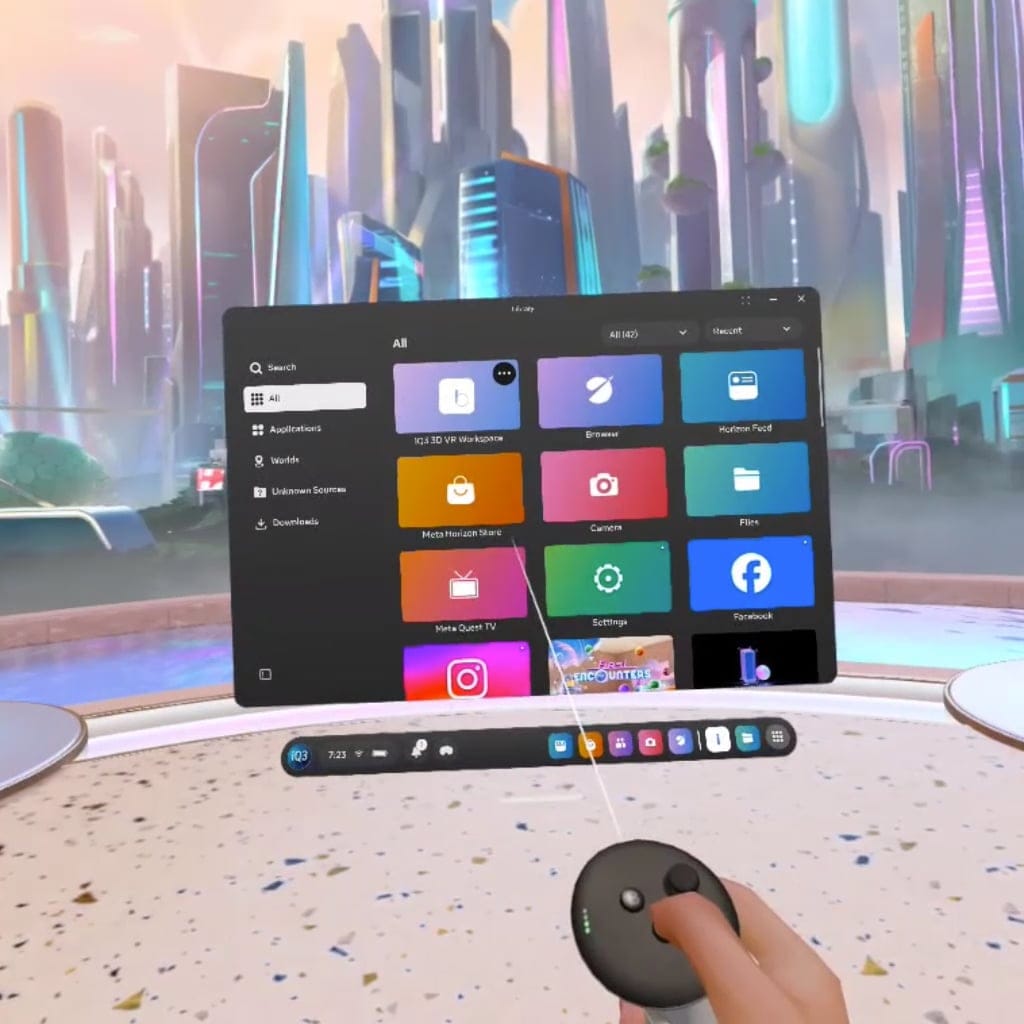
Meta Quest 74.0: Scaling Enterprise XR with Streamlined User Access and Improved Device Management

The addition of Browser shortcuts in the Library in Meta Quest 74.0 is a small but impactful improvement for enterprises that require scalability and centralized management of XR experiences. Here’s why it matters:

    1. Simplified Deployment & Access
      Enterprises can now create and distribute direct links to web-based XR experiences, allowing users to access cloud-hosted applications, training modules, or virtual collaboration spaces with a single click. This reduces the need for app installations and updates, making XR deployment more agile.

    2. Consistent User Experience
      By providing pre-configured shortcuts, organizations can ensure that users always access the right content without confusion or manual browsing. This is especially useful for training programs, virtual showrooms, and remote assistance solutions where consistency is critical.

    3. Improved Device Management & Compliance
      IT admins can pre-load and control access to browser-based XR applications, ensuring that devices are used only for approved enterprise purposes. This aligns with device management policies and reduces the risk of distractions or misuse.

    4. Lower IT Overhead
      Without the need for app downloads and frequent updates, IT teams can focus on managing a few centralized cloud-based XR applications rather than maintaining individual app installations across multiple devices.

    5. Scalability Across Large Deployments
      Enterprises can now deploy web-based XR solutions at scale without the friction of sideloading apps or dealing with store approvals. This is especially valuable in environments where hundreds or thousands of devices need to be configured quickly.


Overall, browser shortcuts in the Library support the broader trend of cloud-based XR and XR device management, making it easier for enterprises to scale XR adoption while maintaining control over device usage.


Watch the video below to see how easy it is to add web-based XR experiences to the Meta Quest Library. 


Wanting to build XR-enabled experiences on the web?
Contact us for a free trial!

Quest 3: Boundaryless AR on the Web

For many augmented reality (AR) experiences on Meta Quest devices, the Quest Boundary can unnecessarily interrupt the user experience when a large physical space is required. While native apps can disable the Quest boundary, this capability isn’t directly available for web-based experiences. Thankfully, there is a way to disable the boundary completely if the device is in Developer Mode.

How to Disable the Quest Boundary


  1. From a Meta Quest device, once the device is in Developer Mode, open the Quick Settings on the Main Menu
  2. Click on Settings in the upper right corner
  3. Scroll to the bottom of the left column and click Advanced
  4. From the main window, scroll down and then Enable Custom Settings, which will expose some additional options
  5. Now scroll down and disable Physical Space Features
  6. Acknowledge the prompt, the Boundary is now disabled. 


It’s important to note that the Boundary is an important safety system and that there are risks inherent in disabling it. We recommend that you re-enable Physical Space Features when the Boundary no longer needs to be disabled. 


Wanting to build augmented reality (AR) experiences on the web?
Contact us for a free trial!

How to Successfully Implement Virtual Reality or Augmented Reality Training

Introduction


Virtual Reality (VR) and Augmented Reality (AR) training, together referred to as Extended Reality (XR), are simulation-based methods that utilize immersive technology to replicate real-world environments and scenarios. They allow users to interact with a computer-generated environment realistically and interactively, typically through an AR or VR headset or tablet. XR training is applicable across various industries such as defense, aerospace, manufacturing, and education to provide hands-on learning experiences without the risks or costs associated with real-world training.


iQ3Connect helps businesses elevate their training programs by providing a platform empowering them to create immersive VR and/or AR experiences tailored to their specific industry needs. But before embarking on an XR training initiative, it is crucial to understand the benefits and limitations of VR and AR training, the impact of XR training on business objectives, and the capabilities of various XR hardware options. The material below provides a guide to navigating and understanding XR training and, more importantly, provides information on how to prepare for and successfully implement an XR training rollout. 


Understanding XR Training and Its Benefits


Training with virtual reality or augmented reality provides a myriad of benefits that make it an invaluable tool for industries seeking to enhance their workforce’s skills and capabilities. A detailed assessment of the various benefits is provided in our blog post: Benefits of XR Training, with a short summary provided below:


Improved Skill Retention and Accelerated Proficiency

Studies have shown better retention of learned material than traditional methods by using virtual reality and augmented reality for training. The immersive and interactive nature of XR stimulates multiple senses, making information more memorable. Users are more likely to remember what they learn in XR due to the realistic context and experiential learning. 


Reduced Training and Operational Costs

While the initial investment in XR technology has historically been a limiting factor in wide-scale adoption, with the latest hardware and software XR training can ultimately be cost-effective almost immediately. It reduces the need for expensive physical training equipment, travel expenses, and facility rentals associated with traditional training methods. Additionally, VR training can be conducted remotely, saving time and resources. 


Workspace Safety Improvements and Risk Reduction

VR and AR training improves workplace safety and reduces overall risk in numerous ways. First, by virtualizing certain training scenarios, a safe environment is created where a trainee can practice and learn without the safety risks that would accompany real-world errors and mistakes. Secondly, XR training provides opportunities for trainees to react and address hazards that are too risky, costly, or infeasible to recreate physically.


Remote Collaboration and Expert Guidance

AR and VR training enables geographically dispersed teams to train together in a virtual environment, fostering teamwork and knowledge sharing. Additionally, subject matter experts can remotely monitor trainee progress, provide on-the-job coaching, and intervene during simulations to ensure compliance with best practices and safety standards. XR training also saves time by providing convenient access from anywhere, eliminating travel needs.


Data-Driven Performance Insights

VR and AR training offer unrivaled in-depth data capture on trainee performance which businesses can use to optimize training methods and improve training outcomes. This data can not only be used to help improve individual trainee outcomes but can also be aggregated to provide important insights into the overall performance of the training program, enabling identification of areas for improvement.


Implementing XR Training to Achieve Business Objectives


Understanding the benefits of AR/VR training is not enough to ensure that an XR training initiative is funded or successfully completed. A systematic approach is required to ensure that the training initiatives contribute directly to the organization’s overall goals. Based on our most successful customer engagements, we have distilled this systematic approach into six primary steps:


Identify Business Objectives

Start by clearly defining the goals and objectives of the learning initiative and the organization as a whole. The learning objective should have a SMART approach: specific, measurable, achievable, relevant, and time-bound. They should also align with your company goals, such as increasing employee productivity, reducing operational costs, enhancing customer satisfaction, or reducing errors.


Conduct a Training Needs Assessment

Evaluate the specific skills, knowledge, or competencies that employees need to achieve the identified business objectives. Determine any gaps in existing training programs that XR technology could address effectively.


Define XR Training Objectives

Based on the training needs assessment, establish clear and measurable objectives for XR training initiatives. These objectives should align closely with the identified business goals and specify the desired outcomes of the training program.


Create XR Training Content

Create XR training content that is tailored to address the specific skills and competencies required to meet the organization’s objectives. Ensure that the content is relevant, engaging, and aligned with the learning preferences of the target audience.


Integrate XR Training into Existing Workflows

Integrate XR training seamlessly into employee’s workflows to ensure that they can apply newly acquired skills directly to their job responsibilities. This could involve incorporating XR simulations into onboarding programs, ongoing skills development initiatives, or performance improvement plans.


Measure ROI and Adjust as Needed

Evaluate the return on investment (ROI) of XR training initiatives by comparing the achieved outcomes against the initial business objectives and associated costs. Use this data to make informed decisions about the future of XR training programs and adjust strategies as needed to optimize effectiveness.

Choosing the Proper XR Training Software and Hardware


XR Hardware

The first decision to be made when choosing XR hardware is whether to focus on augmented reality or virtual reality. Most devices on the market are exclusively AR (such as the HoloLens and MagicLeap) or VR (such as the HTC Vive), but the latest devices (such as the Meta Quest 3 or Apple Vision Pro) offer both AR and VR modes. The next decision often involves choosing between standalone or tethered devices. Standalone XR headsets offer wireless, self-contained systems for maximum portability but can have limited capability to display complex 3D models. Tethered XR headsets which connect to a PC to leverage powerful graphics cards, provide higher-quality graphics and performance but are limited in their portability. Consider mobility, budget, graphical needs, and enterprise support when selecting AR or VR hardware so that it aligns with training objectives and user experience requirements.


Another important factor to consider is that the XR hardware choice may not be entirely in your control. Different groups and teams may already have XR hardware. As the hardware space continues to adapt and improve, new hardware may be acquired by the business. 


XR Software

Choosing the right software platform is crucial for the future success of any AR and/or VR training initiative. The software platform must offer a range of tools for creating immersive and interactive 3D environments and be compatible with the chosen (and or available) XR hardware. It must also be flexible enough to accommodate updates and modifications to the training content and be suited to the skill set of the training content creators. The most important factors to consider are:


Compatibility

Ensure that the XR software is compatible with your existing systems and infrastructure. Verify compatibility with operating systems, XR hardware, and other software applications used within your organization. Can the XR experience easily be deployed, managed, and monitored by your existing business tools? 


Scalability

Choose an XR platform that can scale to meet your organization’s growing training needs. Can the XR platform easily support 100’s or 1000’s of users? Can the trainers and content creators build and deploy XR training without extensive development or modeling skills? Can the XR platform leverage the existing IT and Administrative toolsets to eliminate duplicate efforts for user access and authorization?


Training Creation and User Experience

To ensure technical accuracy and cost-effectiveness, choose an XR platform that empowers the trainers, subject matter experts, and/or content creators themselves to create XR experiences. While high-quality visuals are appealing, the cost and time of creating them must be considered and balanced against their benefit for a given use case. 


iQ3Connect’s web-based training platform enables enterprises to scale XR training across the enterprise. With just a web browser, individuals can engage in immersive training sessions using any AR or VR headset, or opt for 2D interactive experiences on PCs, tablets, or mobile devices. Seamlessly deploy single-user, self-paced training modules and/or host instructor-led training in multi-user virtual classrooms to foster collaboration. Moreover, our platform integrates seamlessly into LMS to monitor trainee performance and knowledge retention. Lastly, by providing a user-friendly solution, the iQ3Connect platform empowers trainers and subject matter experts to build and/or customize XR training without the need for modeling or development expertise. 


Developing an XR Training Rollout Plan


Creating an effective VR or AR training initiative not only depends on a systematic approach to matching learning objectives with business goals but also on a robust rollout plan to stakeholders and end users. In our engagements with key customers, successful rollouts have generally involved the following: 


  1. Assessment: Identify training objectives and assess the specific skills or knowledge gaps that XR training will address.
  2. Stakeholder Engagement: Involve key stakeholders, including trainers, managers, and end-users, to gather input and buy-in for the rollout plan.
  3. Training Creation: Create (or outsource the creation of) XR training content based on the identified training objectives. Involve key stakeholders in the creation process.
  4. Pilot Testing: Conduct pilot tests with a small group of users to evaluate the effectiveness of the XR training program and gather feedback for improvements.
  5. Production Preparation: Make adjustments and changes based on feedback from pilot testing. Integrate the XR content into existing business tools (such as Learning Management Systems) to reduce IT and administrative burdens as usage increases.
  6. Feedback Mechanisms: Establish mechanisms for collecting feedback from users throughout the rollout process to identify improvement areas and promptly address any issues.
  7. Scalability Planning: Ensure that the XR training program is scalable to accommodate a growing number of users, additional training content, and expanding training requirements over time.
  8. Continuous Improvement: Use feedback and performance data to iteratively improve the XR training program, update content, and refine rollout strategies as needed.


Training Your Team for XR Training


Training with the use of XR technology can benefit employees of all ages and backgrounds, but as XR is still a new modality, it is important to ensure users are adequately acclimated to XR technology, without distracting from the core training content. And as with other training modes, it’s important to address multiple styles of learning. A few key things to consider, include: .


Upgrade Materials

Update training resources to cover XR technology and its use. Consider creating a dedicated XR user manual and an interactive presentation for enhanced learning.


Demonstrate XR

Provide hands-on demonstrations of VR and AR technology to supplement traditional training methods and engage employees. 


Engage XR Interactivity in Stages

Use immersive videos, virtual walkthroughs, and virtual equipment demonstrations with varying and increasing levels of interaction to acclimate employees gradually to all the capabilities of a XR training. 


Hands-On Challenges

Introduce XR gradually with interactive challenges to build confidence and familiarity. Conduct interactive quizzes post-training.

Navigating the XR Training Maze: Solutions to Common Hurdles


Technical Complexities

Setting up and maintaining XR systems may pose technical and IT challenges. IT departments may authorize only a small subset of possible XR headsets to be used within the organization, while software management and application installation may prove impractical.


However, with iQ3Connect, our web-based approach not only allows any XR (and non-XR) device to be used but also means that only a web browser is required to access training content, eliminating the need for software downloads and application management. This enables teams to focus on the content (and not the technology) and seamlessly deploy immersive experiences that are accessible from anywhere, secured by your existing IT infrastructure, and tracked by LMS. 


Cost Barriers

XR hardware and software have historically been expensive, but with the latest consumer-grade hardware costs can be drastically reduced. Even with legacy solutions, XR adoption is shown to have a positive return on investment (ROI). Studies have shown that AR/VR-based training reduces enterprise training time by up to 40% and also helps save 30-70% in training costs compared to traditional methods.


With easy-to-use XR software platforms like iQ3Connect, XR costs are further reduced. With iQ3Connect, an initial Proof-of-Concept can cost less than $10,000 USD, whether created by an internal team or a 3rd party. Moreover, the iQ3Connect platform empowers trainers and subject matter experts to build XR experiences independently, reducing long-term costs. 


User Skill-Shortages

Subject matter experts and training content creators often lack extensive developer or 3D modeling experience, presenting a significant barrier to effectively implementing traditional XR software for training purposes. This knowledge gap can hinder the creation of immersive training content and limit the potential benefits of XR technology within organizations.


iQ3Connect addresses this challenge by providing no-code tools, visual creation features, and powerful automation tools. These user-friendly capabilities empower anyone, regardless of technical background, to build immersive training content with ease. By removing the need for coding expertise and simplifying the content creation process, iQ3Connect enables subject matter experts and content creators to leverage their domain knowledge effectively. This fosters the creation of engaging and impactful training experiences, unlocking the full potential of XR technology within organizations while overcoming the limitations posed by traditional XR software.

Conclusion and Call to Action


AR and VR training offers improved skill retention and accelerated proficiency compared to traditional methods across various industries. Moreover, it substantially reduces training and operational costs by eliminating the need for expensive physical equipment and travel expenses through remote training capabilities. Additionally, XR training enhances workplace safety by simulating hazardous scenarios in a risk-free environment, fosters remote collaboration and expert guidance, and offers invaluable data-driven performance insights for optimizing training outcomes. Implementing VR and AR training to meet business objectives involves identifying specific goals, conducting needs assessments, creating tailored content, and seamlessly integrating it into existing workflows. By selecting appropriate VR and/or AR hardware and software and developing robust rollout plans, the chances for successful execution of XR training initiatives greatly increase.


iQ3Connect’s AR/VR web-based platform empowers enterprises to achieve successful XR training adoption by eliminating technical and cost barriers and enabling anyone to build XR training content. Moreover, our device-agnostic approach future-proofs your XR investment by ensuring you can continue to use XR content regardless of hardware changes.  


Ready to Bring VR/AR Training to Your Organization?


Don’t just plan—put immersive learning into action. With iQ3Connect, you can quickly design, deploy, and scale virtual or augmented reality training across your teams, no coding or special hardware required.


Start your VR/AR training journey today! Request a personalized demo or connect with our experts to see how easy implementation can be.

Is the Future of Extended Reality (XR) Headset-Free?

The realm of Extended Reality (XR) has always been synonymous with headsets and hardware. But what if we told you that the future might not require you to don those bulky goggles? In this post, we’ll explore the feasibility of experiencing XR without the headset, the technologies making it possible, and what this means for the future of XR.

The Evolution of XR Technology

When XR first entered the public consciousness, it was almost entirely dependent on headsets. These devices, often cumbersome and expensive, were the gatekeepers to immersive virtual worlds. While the experience was groundbreaking, it was also limiting, tethering users to specific hardware. But as technology evolves, so does the way we interact with XR. The question now is, can we experience XR without the need for a headset?


Over the last few months, we worked on some intriguing research with our brilliant AI/ML intern, Zain Raza, who just completed his undergraduate degree at MakeSchool. The objective of the research project was to investigate the performance and reliability of hand and face tracking using a webcam for industrial collaboration and training applications. We aptly named the project “Headsets: Goodbye!” envisioning a future where devices to consume and interact with immersive 3D content will become ubiquitous and no longer exclusively in the domain of headsets.


Why did we embark on the “Headsets: Goodbye!” Project? Well, remote, real-time collaboration is arguably the most environmentally friendly way to conduct business with globally distributed teams, suppliers, and customers. Even with employees moving back to offices and factories, remote collaboration can undoubtedly minimize latency, cost, and carbon footprint due to the reduction in travel of personnel and equipment. However, we have increasingly seen the negative effects of video-conferencing fatigue, lack of social interactions, and other challenges of working from home.

The Quest for Headset-Free XR

The industry has been buzzing with efforts to make XR more accessible and less hardware-dependent. From projection-based systems to haptic feedback suits, the quest for headset-free XR is more than a pipe dream. However, this journey is fraught with challenges, from technical limitations to user adaptability. Companies are experimenting with various technologies, such as spatial computing and gesture recognition, to make this a reality.

Benefits of Going Headset-Free

Imagine experiencing XR without the discomfort of a headset. Not only does it make the technology more accessible, but it also opens doors to new applications, from education to manufacturing. Studies have shown that headset-free XR can offer a more comfortable and prolonged experience, thereby increasing user engagement. The freedom from hardware could revolutionize how we think about virtual spaces, making them more integrated into our daily lives.


Increased Accessibility

Headsets can be a barrier to entry for many users, both in terms of cost and ease of use. Going headset-free makes XR more accessible to a broader audience, including those who may have physical limitations that make using a headset uncomfortable or impractical.


Cost-Effectiveness

Investing in high-quality XR headsets for each user can be a significant expense for organizations. A headset-free approach can dramatically reduce these costs, making it easier for companies to adopt XR technologies.


Enhanced User Comfort

Wearing a headset for an extended period can lead to discomfort or even motion sickness for some users. The headset-free experience eliminates these issues, allowing users to engage with XR content more comfortably and for longer periods.


Simplified Collaboration

Headsets can sometimes isolate users, making collaborative experiences more challenging to implement effectively. Headset-free XR facilitates easier communication and collaboration among users, whether they are in the same physical space or connecting remotely.


Greater Flexibility

Without the need for a headset, users are free to interact with XR content in a way that suits them best, whether that’s through a desktop, tablet, or even a smartphone. This flexibility can be particularly beneficial in educational settings, where different learners have different needs.


Easy Integration

As Zain points out, going headset-free allows for easier integration into existing systems and processes. This is particularly beneficial for companies that are looking to implement XR solutions without disrupting their current operations.


By addressing these benefits, a headset-free approach to XR not only solves many of the challenges associated with traditional XR but also opens up new avenues for innovation and engagement.

Current Technologies Making Headset-Free XR Possible

Several emerging technologies are pushing the boundaries of what’s possible in headset-free XR. Spatial computing, for instance, allows for a more interactive experience without the need for a headset. Think of it as the difference between watching a 3D movie with glasses and stepping into a holographic room. Other technologies like computer vision are also contributing to this shift, offering new ways to interact with digital information.

Challenges and Solutions

While the prospect of headset-free XR is exciting, it’s not without its challenges. Issues such as motion sickness in projection-based systems and the high cost of haptic suits are barriers to adoption. However, ongoing research and development promise solutions that could make headset-free XR a mainstream reality. Companies like iQ3Connect are at the forefront of this innovation, working to overcome these challenges and make XR more accessible to everyone.

Future Perspectives

As we look to the future, the question isn’t just whether XR can be headset-free, but how soon. With advancements in AI and machine learning, we might soon experience XR in ways we can’t even imagine today. The convergence of various technologies could lead to a more seamless and integrated XR experience, free from the constraints of current hardware.


The journey toward headset-free XR is an exciting but challenging one. While current technologies offer a glimpse into what’s possible, the industry still has hurdles to overcome. However, the potential benefits make this a quest worth pursuing. As technology continues to evolve, the possibilities for headset-free XR are limitless.


To learn more about Zain’s work on Roberto The Empathetic Robot and our project, check out the article linked below: https://Blog.Devgenius.Io/Digital-Avatars-The-Next-Leap-In-Remote-Work-C72c0cd369a7

Transforming Industrial Training with Virtual Reality and Augmented Reality: A Comprehensive Guide

As we discussed in a previous blog post, Leveraging VR/AR Technologies to Address Skill Shortages and High Workforce Turnover, Virtual Reality (VR) and Augmented Reality (AR) training offers substantial cost-savings opportunities for manufacturing and industrial enterprises and is a vital tool for addressing the skills gap and high workforce turnover rates affecting these enterprises. In this blog, we delve deeper into the specific applications, benefits, and unique features that make VR and AR indispensable tools for industrial training.

History of VR and AR in Industry Training

The application of VR and AR in industrial training has evolved significantly over the years. Initially, these technologies were primarily used in specialized fields like aerospace and defense. However, as hardware became more affordable and software more sophisticated, VR and AR have found applications across a range of industries, from manufacturing to energy to construction.


  • Early Adoption: Aerospace and defense were among the first to adopt VR and AR for training, given the high-risk nature of these fields.
  • Mainstream Acceptance: As the technology matured, sectors like manufacturing, energy, and construction started integrating VR and AR into their training modules.
  • Current Trends: Today, with the advent of more affordable and user-friendly devices, VR and AR are becoming standard tools for industrial training across various sectors.

Future of VR and AR in Industrial Training

As technology continues to advance, the future of VR and AR in industrial training looks promising. With the advent of 5G, cloud computing, and AI, we can expect even more immersive and interactive training experiences. iQ3Connect is committed to staying at the forefront of these advancements to offer the most effective and engaging training solutions.

Benefits of VR and AR in Industrial Training

Both Virtual Reality (VR) and Augmented Reality (AR) offer a plethora of benefits that make them indispensable tools in industrial training. Here are some key advantages:


  • Safety: Both VR and AR allow for risk-free training in simulated environments, reducing the likelihood of accidents during training.
  • Cost-Effectiveness: Virtual training eliminates the need for physical materials and logistics, thereby reducing costs.
  • Efficiency: VR and AR training modules can be easily updated or modified, saving time and resources in the long run.
  • Engagement: The interactive nature of VR and AR increases learner engagement, which in turn improves retention rates.
  • Real-Time Feedback: Both technologies offer real-time analytics and feedback, enabling continuous improvement in training programs.

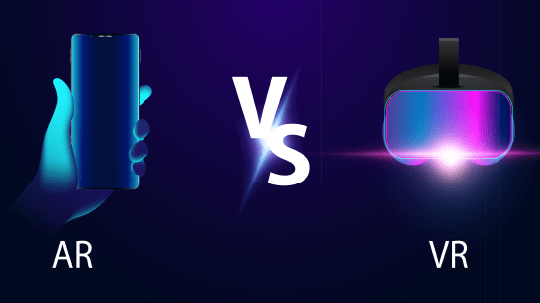
Virtual Reality (VR) in Industrial Training

In virtual reality (VR), users are fully immersed in a 3D environment, disconnected from the physical world. This complete immersion allows for the display of entire facilities or equipment that wouldn’t fit in a physical space. VR headsets like Oculus Quest 2, Windows Mixed Reality HP Reverb G2, and the HTC Vive family of products are commonly used for this purpose.

Applications for VR in Industrial Training


  • Health, Safety, and Environment Training: Trainees can walk through a digital twin of the facility to identify potential hazards, exit pathways, and safety procedures. Virtually create hazardous situations to test identification and response procedures.
  • Maintenance and Operations Training: Technicians can practice maintenance operations on equipment that is difficult or impractical to physically train with, such as undersea structures. Avoid plant shutdowns by training on a digital mock-up of the equipment instead of the physical equipment.
  • Assembly and Virtual Build: Prepare your workforce for a new product line or train your customers and partners on product assembly before it arrives by practicing assembly operations virtually.
  • General Knowledge: Improve trainee retention by replacing slide decks and videos with interactive and immersive virtual training. 

Augmented Reality (AR) in Industrial Training

In augmented reality (AR), users can see both the real world and the virtual world simultaneously. Devices like the HoloLens and various mobile devices are commonly used for AR applications.

Applications for AR in Industrial Training


  • Health, Safety, and Environment Training: Display virtual information, hazards, exit paths, etc., as a user walks through the physical structure.
  • Field Maintenance and Operations: Display virtual work instructions and operating procedures overlaid on the physical equipment as technicians perform their tasks. Leverage expertise from remote experts for real-time collaboration.
  • Assembly and Virtual Build: Trainees can view virtual work instructions overlaid on the physical object as they assemble the actual structure.
  • Product Knowledge: Improve trainee comprehension of complex products by providing mixed virtual and real-world training environments, combining real-world interaction with virtual overlays of text and graphics.

Technical Specifications for Implementing VR and AR in Industrial Training

When considering the adoption of Virtual Reality (VR) and Augmented Reality (AR) into your industrial training programs, understanding the technical requirements is crucial for effective implementation. Here are some key factors to consider:


1. Hardware Requirements

  • VR and AR Devices: Various headsets and devices are available on the market. It’s essential to choose hardware that aligns with your training objectives and is compatible with your chosen software solution. As a device agnostic platform, iQ3Connect is compatible with nearly all VR, AR, PC, and mobile devices. 
  • Computing Power: While many solutions require high-performance computers with robust graphics cards, iQ3Connect’s proprietary rendering technology eliminates this need, making the setup more accessible.
  • Network Infrastructure: Many VR and AR solutions require dedicated IT support for managing applications and end-user devices. With solutions like iQ3Connect, which operate through an internet browser, no such management is required.


2. Software Requirements

  • Platform Compatibility: Ensure that the VR or AR software you choose can integrate seamlessly with your existing training management systems.
  • User Interface: Look for software with an intuitive user interface to minimize the learning curve for both trainees and administrators.
  • Content Creation Tools: Some platforms offer built-in tools for creating custom training modules, which can be a significant advantage. Integrated 3D model import and automatic model optimization are critical to ensuring that anyone can create industrial training.


3. Maintenance and Updates

  • Software Updates: With browser-based solutions like iQ3Connect, updates are seamless, requiring no manual intervention, thus keeping the training modules current and secure.


4. Security Considerations

  • Data Encryption: Make sure the platform you choose complies with data protection regulations and uses encryption to secure sensitive information.
  • User Authentication: Features like single sign-on and integrations into access control lists can add an extra layer of security and leverage existing corporate security measures.
  • Data Storage: Application downloads can leave sensitive data stored on local devices and thus vulnerable to unauthorized access or theft.


5. Enterprise/Business Integration

  • Cloud vs. On-premise Deployment: Any practical VR and AR solution must support on-premise (or private data center) installation. However, as enterprises adopt and expand cloud services these solutions must also be cloud compatible.
  • Integrations: Support for business tool integrations (such as email, PLM, LMS, Active Directory, etc.) is vital to fully support broad  and everyday access for global workforces.


Understanding these technical specifications will enable decision-makers to make more informed choices when selecting and implementing VR and AR solutions for industrial training. iQ3Connect’s browser-based platform simplifies many of these considerations, making it an accessible choice for organizations of all sizes.

Final Considerations

Many of the same use cases are suitable for either VR or AR training, and the choice will often depend on the specifics of the use case. However, VR generally offers some consistent benefits over AR, such as ease of training creation and modification, quality of visuals, and cost-effectiveness of headsets. The iQ3Connect Platform makes the VR vs. AR debate less critical when choosing a training solution, as any training or experience created can be used on any device, whether VR, AR, PC, or mobile.


The choice between VR and AR often comes down to the specific needs of the industry and the availability of physical space and equipment. With iQ3Connect, you have the flexibility to choose the best solution for your training needs. Ready to revolutionize your industrial training programs? Contact us today to learn more.

Icon

Form Submitted!

Thanks for submitting the form. An iQ3Connect representative will be reaching out to you shortly. In the meantime, please feel free to review some of our resources below.

Icon

Form Submitted!

Thanks for submitting the form. An iQ3Connect representative will be reaching out to you shortly. In the meantime, please feel free to review some of our resources below.

Icon

Form Submitted!

Thanks for submitting the form. An iQ3Connect representative will be reaching out to you shortly. In the meantime, please feel free to review some of our resources below.

Icon

Form Submitted!

Thanks for submitting the form. An iQ3Connect representative will be reaching out to you shortly. In the meantime, please feel free to review some of our resources below.