Beyond Game Engines: A Simpler Way to Create Immersive 3D Training

🚀 Introduction: Why Immersive Training Needs a Simpler Future

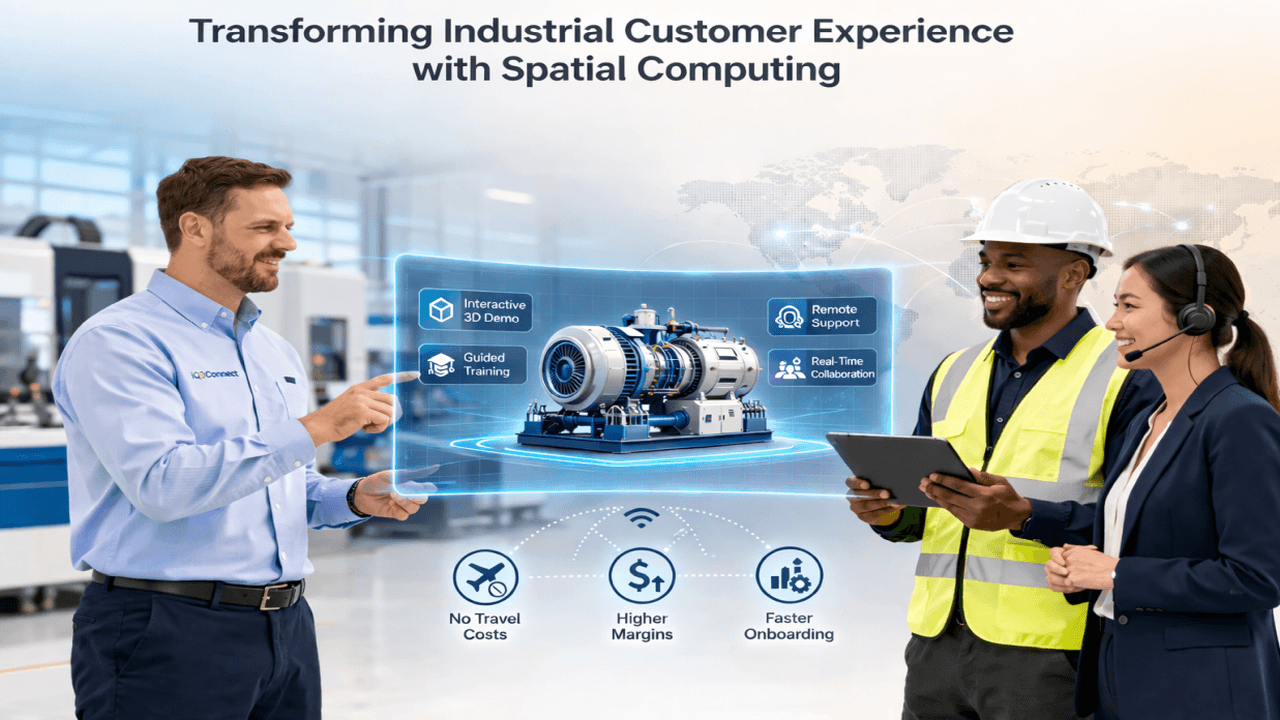
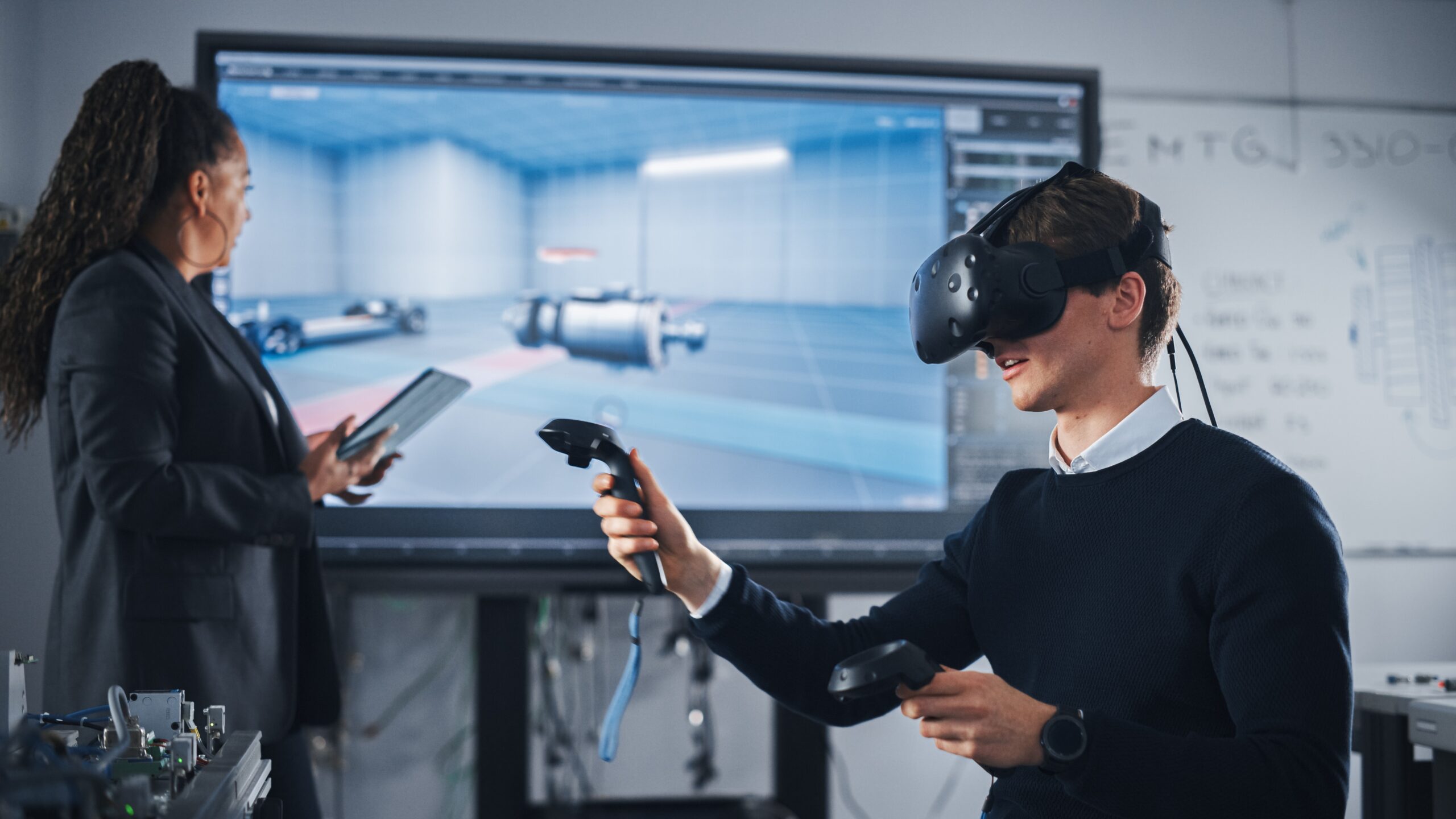
Immersive 3D training is reshaping how organizations prepare their workforce—especially in fields like automotive, energy, and manufacturing.
Yet, many companies still rely on game-engine-based tools (like Unity, Unreal Engine, or derivative authoring platforms) that require deep technical expertise, long development cycles, and complex deployment pipelines.


iQ3Connect takes a different approach.

Our web-based, no-code platform lets trainers, instructional designers, and subject-matter experts build and deploy immersive 3D training modules—directly from a browser—no coding or game-engine skills required.


In short: immersive training creation should be as easy as building a slide deck, and now it is.

🎼 The Traditional Path: Game Engines and Their Offshoots


1. High Barriers to Entry

Game engines were originally built for entertainment and gaming, not enterprise learning.
Even products “simplified” on top of these engines still depend on complex underpinnings that require:

  • Developers skilled in scripting and 3D asset management

  • Device-specific optimization for VR, AR, PC, and mobile

  • Dedicated teams to build, test, and deploy new versions

That means longer timelines, higher costs, and ongoing dependency on specialized talent.


2. Complex Deployment

Most game-engine-based platforms require packaging training experiences as stand-alone applications, with separate builds for each device or OS.
This creates friction:

  • Installers and updates on each headset or PC

  • IT bottlenecks for distribution and maintenance

  • Limited scalability across large or distributed teams

When training content changes—say, a new maintenance step or safety regulation—those updates must be rebuilt, re-tested, and re-deployed.


3. Maintenance and Version Control Challenges

Each new version of the software or hardware SDK can break compatibility, requiring updates to your content pipeline. Over time, organizations end up maintaining multiple versions of the same module just to keep pace with device changes—draining time and resources.

🌐 The iQ3Connect Approach: Simplicity Through the Web


1. No-Code Authoring for SMEs and Trainers

With iQ3Connect, anyone—not just developers—can create immersive, instructionally accurate training modules.
All you need is a browser.
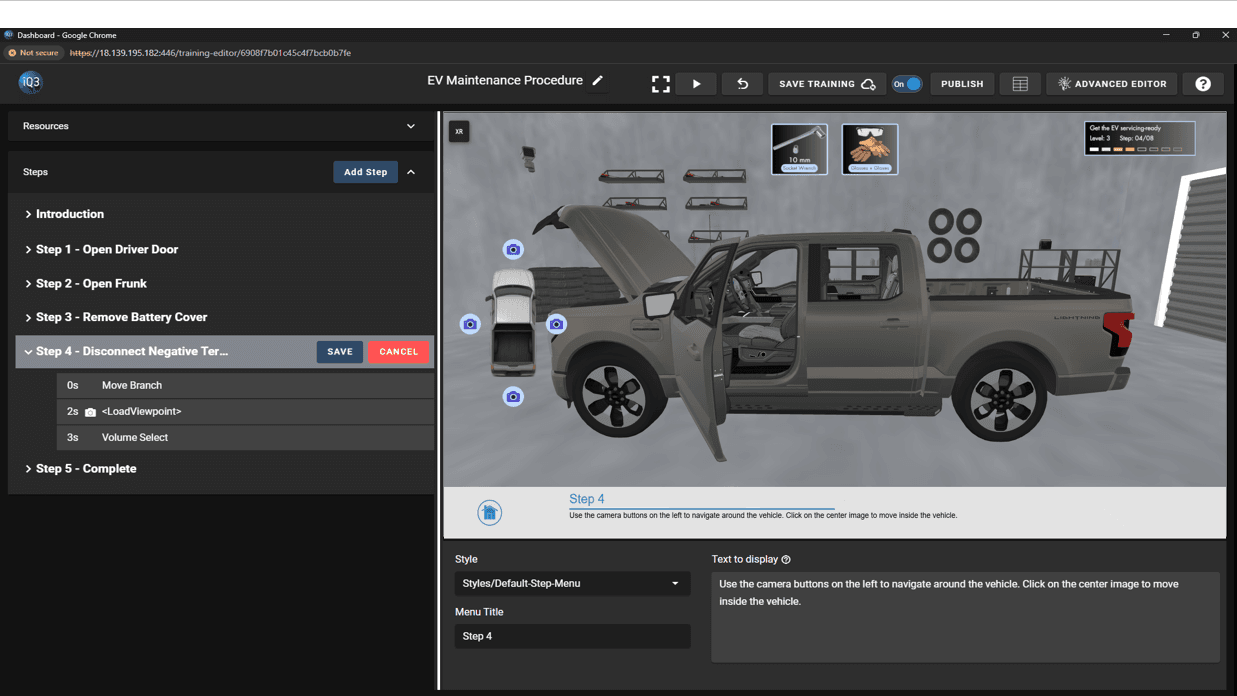
Drag-and-drop objects, define steps, and build 3D learning flows in minutes—no engine, no installs, no code.

“Customized and instructionally-accurate training modules can be built quickly and instantly deployed to any VR, AR, PC, tablet, or mobile device—all through a web browser.”


2. Instant Web Deployment

Once built, your immersive training is live—instantly accessible through a secure web link.
Learners simply click and launch on any device: headset, tablet, laptop, or phone.
There’s no need for app packaging, store submission, or IT setup.


3. Rapid Updates & Iteration

Need to change a procedure or add new instructions?
Edit it directly in-browser and republish—no re-coding or rebuilding required.
Your global workforce always accesses the most current version of the training, automatically.


⚡ Game-Engine-Based Tools vs iQ3Connect: The Key Differences

FeatureGame-Engine-Based ToolsiQ3Connect Platform
Ease of UseRequires developers, coding, asset workflowsNo-code, browser-based authoring
Time to DeployWeeks or monthsMinutes
Device SupportSeparate builds per headset/deviceUniversal browser access
MaintenanceFrequent rebuilds and updatesInstant updates, one version for all
ScalabilityLimited by IT and device logisticsGlobal web scalability
Total Cost of OwnershipHigh (licenses, dev time, maintenance)Low (cloud-based, self-service)

🔧 Example: Building an EV Maintenance Module in Minutes


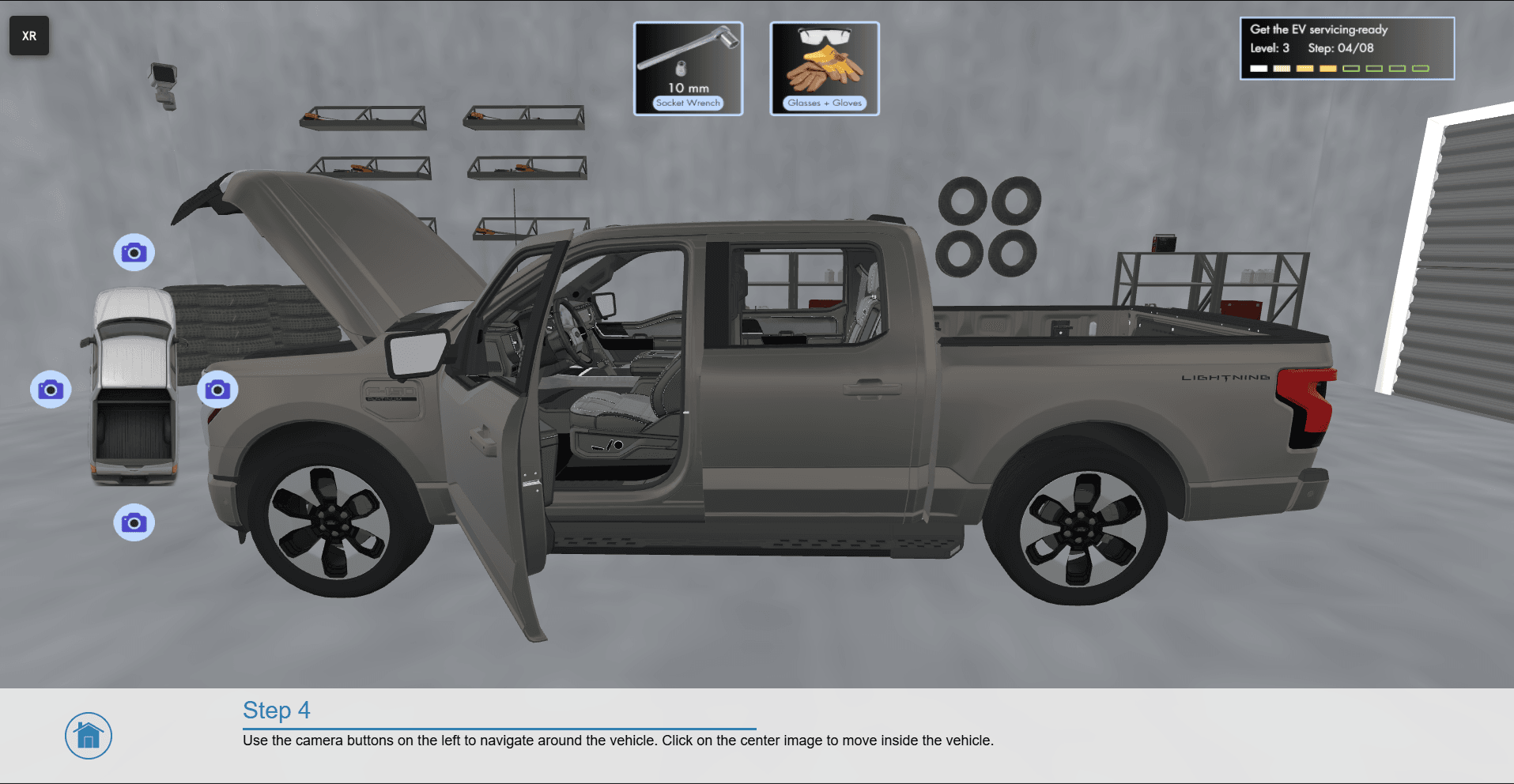
In our recent live event, we showcased how a complete immersive 3D EV repair and maintenance training module can be built in just 15 minutes using iQ3Connect.

The result: a fully functional, web-deployed experience accessible instantly across VR, AR, and desktop—without touching a game engine.


🌎 The Bigger Picture: Democratizing Immersive Learning


The iQ3Connect approach:

  • Expands access to XR training creation across non-technical teams.

  • Reduces costs by eliminating proprietary engines, plugins, and maintenance cycles.

  • Accelerates innovation by enabling rapid prototyping and deployment.

  • Future-proofs content, as browser-based delivery adapts seamlessly to new devices and standards.

For industries facing rapid change—like EV manufacturing, clean energy, and aerospace—this agility is critical to staying competitive. 

In addition, as demand for skilled workers continues to rise, immersive virtual training is proving to be a powerful lever for advancing both education and workforce readiness. For educators and policymakers committed to preparing students for meaningful, high-demand careers, these solutions represent a practical, scalable, and future-focused path forward (read our blog on rethinking career and technical education.)


🏁 Conclusion: Build Smarter, Not Harder

Game engines and their derivative products helped pioneer immersive learning, but they weren’t designed for scalable, everyday enterprise use. As organizations push to train faster, reach more learners, and lower costs, no-code web-based solutions like iQ3Connect offer a smarter path forward. 


See how simple immersive 3D training creation can be.

Rethinking Career and Technical Education: Immersive Virtual Training as a Pathway to Workforce Readiness


Across the country, educators and policymakers are facing a fundamental question: How do we prepare students for the jobs of tomorrow when traditional classrooms and hands-on trade skills are both essential, yet increasingly out of reach for many?

A recent Marketplace.org article highlights this challenge, spotlighting a growing need for “career tech” programs that blend academic rigor with real-world, practical skills. Yet for many schools—especially in rural or under-resourced districts—the barriers to creating robust, hands-on training opportunities remain high.


Immersive Technology: Bridging the Gap

Immersive virtual training platforms like iQ3Connect are changing that equation. By leveraging digital environments, schools can deliver interactive 3D simulations, hands-on experiences, and industry collaboration—without the cost or logistical hurdles of physical labs.

This is not just about technology for technology’s sake. It’s about equity and opportunity: ensuring every learner, regardless of ZIP code, can access world-class technical education and real-world career pathways.


Policy in Action: The Sierra Space, CDLE, and iQ3Connect Partnership

A standout example is the partnership between Sierra Space, the Colorado Department of Labor and Employment (CDLE), and iQ3Connect. Through this collaboration, Colorado high school teachers and students are gaining access to aerospace industry training via immersive virtual modules. Teacher externships provide educators with direct industry experience, which they translate into curriculum, bringing current, relevant skills back to their students.

This initiative demonstrates:

  • Affordability and Scalability: No need for each school to invest in expensive equipment or labs—virtual solutions scale across districts and regions.

  • Industry-Relevant Curriculum: Direct input from employers ensures education stays aligned with evolving workforce needs.

  • Professional Development for Teachers: Externships empower teachers with up-to-date knowledge and skills, enriching classroom instruction.


Why This Matters for Policy and Practice

  • Expanding Access: Digital, device-agnostic training reaches students and teachers everywhere, supporting state and national equity goals.

  • Supporting Workforce Pipelines: Programs like this help build a diverse, competitive talent pool ready to meet the needs of 21st-century industries.

  • Enabling Data-Driven Improvement: Virtual platforms make it easier to track learning outcomes and program impact—key for continuous improvement and policy evaluation.

As demand for skilled workers continues to rise, immersive virtual training is proving to be a powerful lever for advancing both education and workforce readiness. For educators and policymakers committed to preparing students for meaningful, high-demand careers, these solutions represent a practical, scalable, and future-focused path forward.


Explore how the Sierra Space, CDLE, and iQ3Connect partnership is paving the way for innovative, equitable career education here.

Case Study: Immersive VR Digital Prototyping for Industrial Equipment Manufacturers

Overview

A leading industrial equipment manufacturer, specializing in engineered solutions for sectors like compressed air, vacuum, and assembly systems, sought to accelerate product development while reducing costly design iterations. With increasing pressure to deliver high-quality, customized solutions faster, the company leveraged iQ3Connect’s immersive XR platform to transform its digital prototyping workflow.


Industry Challenge

In industrial manufacturing, the stakes are high:

  • Complex assemblies and machinery require robust cross-functional reviews.

  • Physical prototyping is expensive and time-consuming.

  • Missed design issues can result in costly rework, delayed launches, and dissatisfied customers.

  • Effective collaboration between engineering, service, and production is often limited by geography and siloed processes.


Solution: iQ3Connect Immersive Prototyping

By adopting iQ3Connect’s XR platform, the manufacturer enabled its teams to:

  • Instantly upload and visualize 3D CAD assemblies (JT, STEP, etc.) in a shared, interactive XR environment.

  • Perform detailed assembly and service reviews virtually, including for large and heavy equipment that’s difficult to access physically.

  • Empower engineering, service, and manufacturing teams to collaborate in real time, whether on-site or remote, using either untethered or tethered VR headsets.

  • Rapidly identify and address design flaws early in the product lifecycle, before any physical prototype is produced.


Business Outcomes

  • Accelerated Time-to-Market:
    Teams quickly iterated on virtual prototypes, making design changes in days—not weeks—resulting in faster NPD (new product development) cycles.

  • Higher Design Quality and Fewer Errors:
    Immersive reviews allowed stakeholders to “walk through” complex machinery, ensuring issues are caught and resolved early.

  • Enhanced Collaboration:
    Cross-disciplinary teams—including engineering, production, and after-sales—could participate in reviews regardless of location, fostering alignment and knowledge transfer.

  • Cost Savings:
    Early digital detection of flaws significantly reduced the need for multiple physical prototypes and associated rework costs.

  • Easy Integration:
    No specialized coding or new CAD workflows—just upload and go, fully compatible with existing digital assets and IT environments.


Implementation Insights

  • The platform is browser-based and runs securely on company servers, supporting enterprise IT policies and data security requirements.

  • Compatible with industry-standard VR headsets, it works in both wireless and tethered modes for flexibility in factory or office settings.

  • The intuitive interface enabled fast onboarding for both engineering teams and field service reviewers.


Scaling Digital Innovation

After seeing measurable success in initial pilots—improved agility, deeper reviews, and tangible cost reductions—the company is expanding immersive prototyping across more projects and business units. The result? A more competitive, agile, and customer-responsive organization, ready to lead in the evolving industrial landscape.


Are you an industrial equipment manufacturer seeking to modernize your product development? Discover how iQ3Connect can help you accelerate innovation, reduce costs, and deliver higher-value solutions—contact us today for a tailored demo.

E-Learning vs. Immersive Learning: Choosing the Right Training Solution

E-Learning vs. Immersive Learning: Choosing the Right Training Solution

In today’s rapidly evolving industrial and enterprise environment, organizations must choose training solutions that effectively build workforce skills, improve safety, and support long-term operational readiness. While traditional e-learning remains a foundational training method, immersive learning—powered by VR, AR, and 3D simulations—has emerged as a transformative alternative.

This guide compares both approaches and explains how iQ3Connect elevates immersive learning with SCORM-compatible, browser-based XR training that seamlessly integrates into your existing LMS.


What Is E-Learning?

E-learning refers to structured online learning delivered through digital content such as videos, quizzes, exercises, and self-paced modules. It enables employees to access training anywhere, anytime, making it ideal for distributed teams.

Common E-Learning Formats

  • Webinars and live virtual classrooms
  • MOOCs and large-scale online courses
  • Custom training modules for company-specific processes
  • Compliance, HR, and onboarding content


Benefits of E-Learning

1. High Accessibility

Employees can access training from any location or device, ensuring flexibility for global or remote teams.

2. Cost Efficiency

E-learning eliminates travel, facility, and instructor fees, lowering the overall training budget.

3. Wide Content Availability

Organizations can select from extensive content libraries covering technical, managerial, and compliance training.


Challenges of E-Learning

  • Limited hands-on practice and real-world skill transfer
  • Lower engagement due to passive content formats
  • Difficult to assess practical, skills-based competencies
  • Self-paced training often leads to low completion rates
  • Not effective for safety or equipment-based training

These limitations have accelerated the adoption of immersive, simulation-based training. :contentReference[oaicite:2]{index=2}


What Is Immersive Learning?

Immersive learning uses VR, AR, and 3D interactive simulations to place learners inside realistic, experiential environments. This approach is ideal for technical, hands-on, and safety-critical roles where real-world practice is limited or risky.

Where Immersive Learning Excels

  • Equipment operation and maintenance
  • Workplace hazard identification and safety training
  • Emergency and high-risk scenario simulations
  • Procedural training and workflow guidance
  • Team collaboration and interactive group activities


Benefits of Immersive Learning

1. Higher Engagement

Immersive environments capture attention, improving retention and learning outcomes.

2. Practical Hands-On Skills

Learners safely practice real tasks, develop muscle memory, and build confidence without risking equipment or safety.

3. Increased Motivation

Realistic scenarios and interactive simulations make training more enjoyable and meaningful.

4. Safer and More Effective Safety Training

Critical and hazardous scenarios can be simulated repeatedly without real-world danger.

5. Scalable Across Teams and Locations

Immersive modules can be deployed globally, reused at scale, and accessed at any time.

6. Enhanced Team Collaboration

Multi-user virtual environments support shared training sessions, communication, and team problem-solving.


How iQ3Connect Enhances Immersive Learning

iQ3Connect delivers immersive learning through a web-based, no-code XR platform—eliminating the need for complex installations, specialized hardware, or technical expertise. Everything runs directly in the browser. :contentReference[oaicite:5]{index=5}

1. No-Code Content Creation

Anyone can build immersive VR/AR training experiences by uploading documents, images, videos, 3D models, quizzes, or guided workflows.

2. Realistic Safety and Technical Training

Create interactive simulations of industrial environments, equipment, and emergency scenarios—all with assessment tools built in.

3. Remote Collaboration at Scale

Host multi-user XR sessions with 50+ simultaneous participants via a simple shareable link.

4. Device Compatibility

Learners access XR content on laptops, desktops, mobile devices, or VR headsets—all via a standard web browser.

5. Seamless Integration of Existing Assets

Convert existing PDFs, videos, manuals, and 3D files into immersive, interactive XR training modules.


SCORM Integration with Your Existing LMS

One of the greatest strengths of iQ3Connect’s immersive learning platform is its compatibility with existing enterprise learning ecosystems. The platform supports full SCORM 1.2 and SCORM 2004 integration, allowing organizations to deploy web-based VR/AR content directly within their Learning Management System.


How SCORM Integration Works

  • Export XR training as SCORM packages for upload into any SCORM-compliant LMS
  • Track learner progress including completion, quiz scores, interactions, and duration
  • Launch immersive simulations from the LMS with no installation required
  • Standardized reporting using familiar LMS analytics dashboards
  • Centralized training management for both e-learning and immersive modules

The result is a seamless blend of traditional e-learning and immersive XR experiences—managed, delivered, and tracked through the same LMS your organization already uses.


Benefits of SCORM-Enabled Immersive Learning

  • Consistent learner tracking across all training formats
  • Reduced administrative overhead
  • Unified reporting and analytics
  • Easy integration with existing onboarding, compliance, and safety workflows
  • Fast deployment with minimal IT involvement

SCORM integration ensures that immersive learning is not a standalone tool—it becomes a powerful extension of your established training ecosystem.


E-Learning vs. Immersive Learning: Which Should You Choose?

Training MethodBest ForLimitations
E-LearningTheory, compliance, soft skills, general knowledgeLower engagement, limited hands-on practice
Immersive LearningTechnical skills, safety, equipment use, collaborationRequires 3D content (simplified with iQ3Connect’s no-code tools)

The most effective approach blends the two: e-learning for foundational knowledge and immersive learning for hands-on practice.


Conclusion

E-learning and immersive learning each offer valuable benefits for workforce development. However, immersive learning delivers unparalleled realism, engagement, and practical skills—especially for industrial and safety-critical environments.


With iQ3Connect’s browser-based XR platform and SCORM integration, organizations can easily bring immersive training into their existing LMS ecosystem, enabling scalable, effective training that drives real operational impact. 

Transforming Traditional Maintenance Training in Pharmaceutical Manufacturing with Digital Immersive Training

Background

In the competitive world of pharmaceutical manufacturing, plant reliability and operational safety depend on well-maintained equipment and a workforce that’s always ready. Yet for many companies, maintenance teams are a mix of in-house and contract staff, and high turnover can make it hard to deliver consistent, high-quality training.


The Challenge: Informal Training and High Turnover

At a major Indian pharmaceutical manufacturer, most equipment is maintained by on-site engineers. About 40% of the maintenance staff are contractors, and turnover rates are high. New hires are typically trained by senior engineers through hands-on, on-the-job learning.

While practical, this approach often means training quality can vary and is difficult to assess or standardize. There are no formal assessments or feedback loops, so managers have little insight into how well maintenance procedures are understood or followed.


A Digital Solution: Experiential Immersive Training

To address these challenges, the company began exploring digital experiential training as a scalable, modern alternative. After reviewing several platforms, the maintenance team selected iQ3Connect for its interactive, immersive approach—designed to deliver standardized, engaging training experiences.


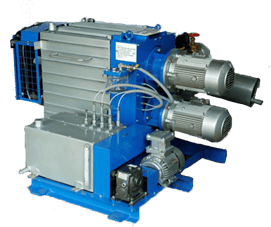
As a first step, the focus was placed on vacuum pump maintenance—a routine and critical task, with around 300 pumps in operation across the plant. The team saw this as an ideal starting point for immersive training, with plans to expand to other core equipment like filters, dryers, agitators, and reactors. There is also interest in developing similar training for electrical maintenance tasks.

Implementation: From Real-World Procedure to Digital Module

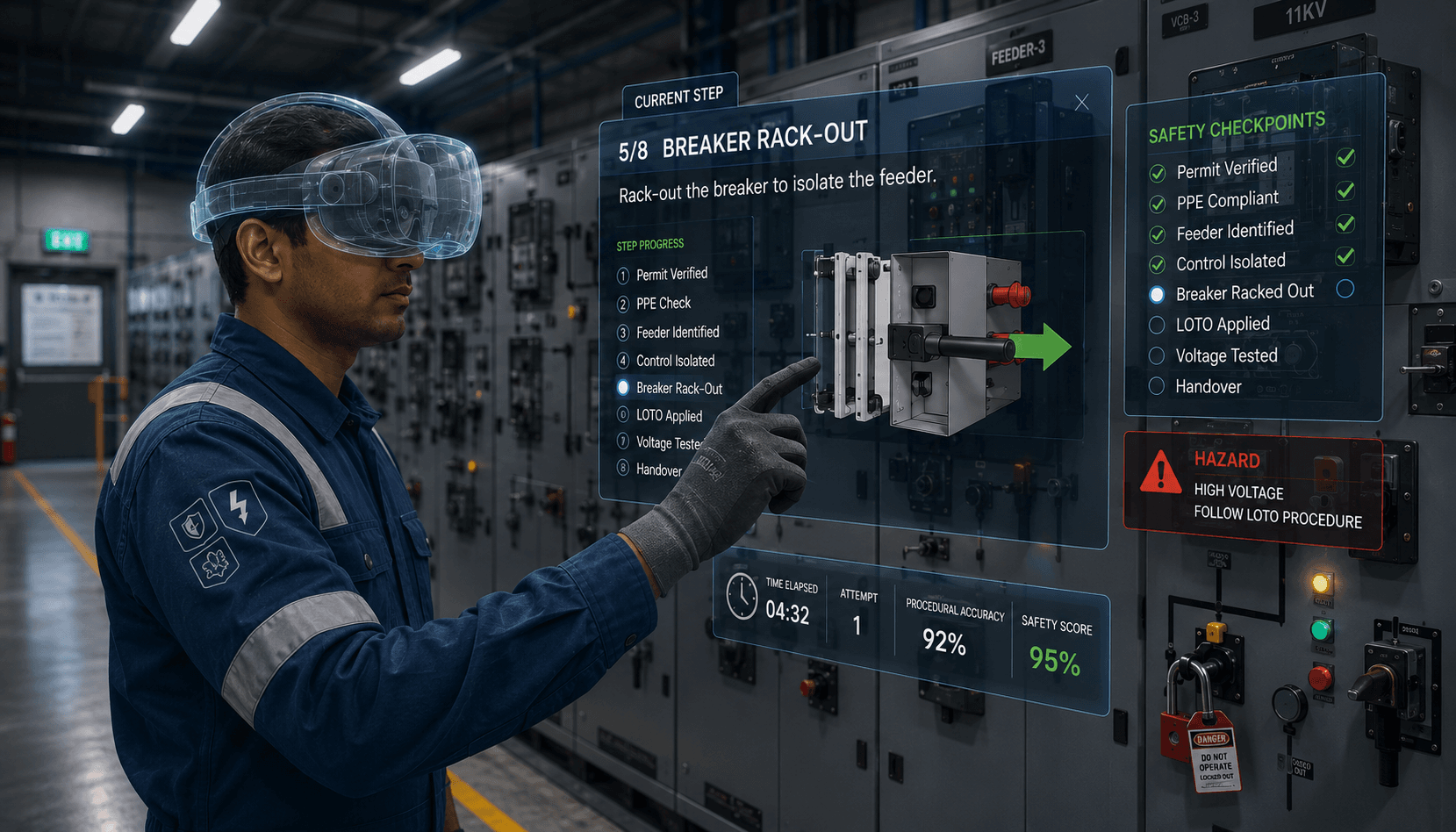
The new digital training solution translates detailed maintenance procedures into an interactive VR module. Engineers learn and practice every step of the pump maintenance process in a risk-free virtual environment, receiving instant feedback and clear visual cues.


Benefits include:

  • Standardizing training content regardless of staff changes or instructor style,

  • Enabling faster onboarding of new employees,

  • Providing trackable assessments and actionable feedback,

  • Reducing errors and supporting compliance with safety protocols.


Next Steps and Organizational Impact

Encouraged by the success of the vacuum pump module, the company is planning to roll out immersive training for additional equipment, making advanced, feedback-driven learning a cornerstone of their maintenance organization.


This case highlights how digital experiential training can overcome traditional training barriers in pharmaceutical manufacturing—empowering maintenance teams, reducing operational risk, and supporting long-term business performance.


Interested in digitalizing your maintenance training? Contact iQ3Connect to learn how immersive, interactive solutions can help your organization achieve training excellence.

How to Successfully Implement Virtual Reality or Augmented Reality Training

Introduction


Virtual Reality (VR) and Augmented Reality (AR) training, together referred to as Extended Reality (XR), are simulation-based methods that utilize immersive technology to replicate real-world environments and scenarios. They allow users to interact with a computer-generated environment realistically and interactively, typically through an AR or VR headset or tablet. XR training is applicable across various industries such as defense, aerospace, manufacturing, and education to provide hands-on learning experiences without the risks or costs associated with real-world training.


iQ3Connect helps businesses elevate their training programs by providing a platform empowering them to create immersive VR and/or AR experiences tailored to their specific industry needs. But before embarking on an XR training initiative, it is crucial to understand the benefits and limitations of VR and AR training, the impact of XR training on business objectives, and the capabilities of various XR hardware options. The material below provides a guide to navigating and understanding XR training and, more importantly, provides information on how to prepare for and successfully implement an XR training rollout. 


Understanding XR Training and Its Benefits


Training with virtual reality or augmented reality provides a myriad of benefits that make it an invaluable tool for industries seeking to enhance their workforce’s skills and capabilities. A detailed assessment of the various benefits is provided in our blog post: Benefits of XR Training, with a short summary provided below:


Improved Skill Retention and Accelerated Proficiency

Studies have shown better retention of learned material than traditional methods by using virtual reality and augmented reality for training. The immersive and interactive nature of XR stimulates multiple senses, making information more memorable. Users are more likely to remember what they learn in XR due to the realistic context and experiential learning. 


Reduced Training and Operational Costs

While the initial investment in XR technology has historically been a limiting factor in wide-scale adoption, with the latest hardware and software XR training can ultimately be cost-effective almost immediately. It reduces the need for expensive physical training equipment, travel expenses, and facility rentals associated with traditional training methods. Additionally, VR training can be conducted remotely, saving time and resources. 


Workspace Safety Improvements and Risk Reduction

VR and AR training improves workplace safety and reduces overall risk in numerous ways. First, by virtualizing certain training scenarios, a safe environment is created where a trainee can practice and learn without the safety risks that would accompany real-world errors and mistakes. Secondly, XR training provides opportunities for trainees to react and address hazards that are too risky, costly, or infeasible to recreate physically.


Remote Collaboration and Expert Guidance

AR and VR training enables geographically dispersed teams to train together in a virtual environment, fostering teamwork and knowledge sharing. Additionally, subject matter experts can remotely monitor trainee progress, provide on-the-job coaching, and intervene during simulations to ensure compliance with best practices and safety standards. XR training also saves time by providing convenient access from anywhere, eliminating travel needs.


Data-Driven Performance Insights

VR and AR training offer unrivaled in-depth data capture on trainee performance which businesses can use to optimize training methods and improve training outcomes. This data can not only be used to help improve individual trainee outcomes but can also be aggregated to provide important insights into the overall performance of the training program, enabling identification of areas for improvement.


Implementing XR Training to Achieve Business Objectives


Understanding the benefits of AR/VR training is not enough to ensure that an XR training initiative is funded or successfully completed. A systematic approach is required to ensure that the training initiatives contribute directly to the organization’s overall goals. Based on our most successful customer engagements, we have distilled this systematic approach into six primary steps:


Identify Business Objectives

Start by clearly defining the goals and objectives of the learning initiative and the organization as a whole. The learning objective should have a SMART approach: specific, measurable, achievable, relevant, and time-bound. They should also align with your company goals, such as increasing employee productivity, reducing operational costs, enhancing customer satisfaction, or reducing errors.


Conduct a Training Needs Assessment

Evaluate the specific skills, knowledge, or competencies that employees need to achieve the identified business objectives. Determine any gaps in existing training programs that XR technology could address effectively.


Define XR Training Objectives

Based on the training needs assessment, establish clear and measurable objectives for XR training initiatives. These objectives should align closely with the identified business goals and specify the desired outcomes of the training program.


Create XR Training Content

Create XR training content that is tailored to address the specific skills and competencies required to meet the organization’s objectives. Ensure that the content is relevant, engaging, and aligned with the learning preferences of the target audience.


Integrate XR Training into Existing Workflows

Integrate XR training seamlessly into employee’s workflows to ensure that they can apply newly acquired skills directly to their job responsibilities. This could involve incorporating XR simulations into onboarding programs, ongoing skills development initiatives, or performance improvement plans.


Measure ROI and Adjust as Needed

Evaluate the return on investment (ROI) of XR training initiatives by comparing the achieved outcomes against the initial business objectives and associated costs. Use this data to make informed decisions about the future of XR training programs and adjust strategies as needed to optimize effectiveness.

Choosing the Proper XR Training Software and Hardware


XR Hardware

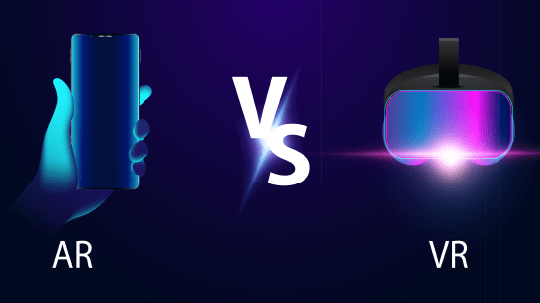
The first decision to be made when choosing XR hardware is whether to focus on augmented reality or virtual reality. Most devices on the market are exclusively AR (such as the HoloLens and MagicLeap) or VR (such as the HTC Vive), but the latest devices (such as the Meta Quest 3 or Apple Vision Pro) offer both AR and VR modes. The next decision often involves choosing between standalone or tethered devices. Standalone XR headsets offer wireless, self-contained systems for maximum portability but can have limited capability to display complex 3D models. Tethered XR headsets which connect to a PC to leverage powerful graphics cards, provide higher-quality graphics and performance but are limited in their portability. Consider mobility, budget, graphical needs, and enterprise support when selecting AR or VR hardware so that it aligns with training objectives and user experience requirements.


Another important factor to consider is that the XR hardware choice may not be entirely in your control. Different groups and teams may already have XR hardware. As the hardware space continues to adapt and improve, new hardware may be acquired by the business. 


XR Software

Choosing the right software platform is crucial for the future success of any AR and/or VR training initiative. The software platform must offer a range of tools for creating immersive and interactive 3D environments and be compatible with the chosen (and or available) XR hardware. It must also be flexible enough to accommodate updates and modifications to the training content and be suited to the skill set of the training content creators. The most important factors to consider are:


Compatibility

Ensure that the XR software is compatible with your existing systems and infrastructure. Verify compatibility with operating systems, XR hardware, and other software applications used within your organization. Can the XR experience easily be deployed, managed, and monitored by your existing business tools? 


Scalability

Choose an XR platform that can scale to meet your organization’s growing training needs. Can the XR platform easily support 100’s or 1000’s of users? Can the trainers and content creators build and deploy XR training without extensive development or modeling skills? Can the XR platform leverage the existing IT and Administrative toolsets to eliminate duplicate efforts for user access and authorization?


Training Creation and User Experience

To ensure technical accuracy and cost-effectiveness, choose an XR platform that empowers the trainers, subject matter experts, and/or content creators themselves to create XR experiences. While high-quality visuals are appealing, the cost and time of creating them must be considered and balanced against their benefit for a given use case. 


iQ3Connect’s web-based training platform enables enterprises to scale XR training across the enterprise. With just a web browser, individuals can engage in immersive training sessions using any AR or VR headset, or opt for 2D interactive experiences on PCs, tablets, or mobile devices. Seamlessly deploy single-user, self-paced training modules and/or host instructor-led training in multi-user virtual classrooms to foster collaboration. Moreover, our platform integrates seamlessly into LMS to monitor trainee performance and knowledge retention. Lastly, by providing a user-friendly solution, the iQ3Connect platform empowers trainers and subject matter experts to build and/or customize XR training without the need for modeling or development expertise. 


Developing an XR Training Rollout Plan


Creating an effective VR or AR training initiative not only depends on a systematic approach to matching learning objectives with business goals but also on a robust rollout plan to stakeholders and end users. In our engagements with key customers, successful rollouts have generally involved the following: 


  1. Assessment: Identify training objectives and assess the specific skills or knowledge gaps that XR training will address.
  2. Stakeholder Engagement: Involve key stakeholders, including trainers, managers, and end-users, to gather input and buy-in for the rollout plan.
  3. Training Creation: Create (or outsource the creation of) XR training content based on the identified training objectives. Involve key stakeholders in the creation process.
  4. Pilot Testing: Conduct pilot tests with a small group of users to evaluate the effectiveness of the XR training program and gather feedback for improvements.
  5. Production Preparation: Make adjustments and changes based on feedback from pilot testing. Integrate the XR content into existing business tools (such as Learning Management Systems) to reduce IT and administrative burdens as usage increases.
  6. Feedback Mechanisms: Establish mechanisms for collecting feedback from users throughout the rollout process to identify improvement areas and promptly address any issues.
  7. Scalability Planning: Ensure that the XR training program is scalable to accommodate a growing number of users, additional training content, and expanding training requirements over time.
  8. Continuous Improvement: Use feedback and performance data to iteratively improve the XR training program, update content, and refine rollout strategies as needed.


Training Your Team for XR Training


Training with the use of XR technology can benefit employees of all ages and backgrounds, but as XR is still a new modality, it is important to ensure users are adequately acclimated to XR technology, without distracting from the core training content. And as with other training modes, it’s important to address multiple styles of learning. A few key things to consider, include: .


Upgrade Materials

Update training resources to cover XR technology and its use. Consider creating a dedicated XR user manual and an interactive presentation for enhanced learning.


Demonstrate XR

Provide hands-on demonstrations of VR and AR technology to supplement traditional training methods and engage employees. 


Engage XR Interactivity in Stages

Use immersive videos, virtual walkthroughs, and virtual equipment demonstrations with varying and increasing levels of interaction to acclimate employees gradually to all the capabilities of a XR training. 


Hands-On Challenges

Introduce XR gradually with interactive challenges to build confidence and familiarity. Conduct interactive quizzes post-training.

Navigating the XR Training Maze: Solutions to Common Hurdles


Technical Complexities

Setting up and maintaining XR systems may pose technical and IT challenges. IT departments may authorize only a small subset of possible XR headsets to be used within the organization, while software management and application installation may prove impractical.


However, with iQ3Connect, our web-based approach not only allows any XR (and non-XR) device to be used but also means that only a web browser is required to access training content, eliminating the need for software downloads and application management. This enables teams to focus on the content (and not the technology) and seamlessly deploy immersive experiences that are accessible from anywhere, secured by your existing IT infrastructure, and tracked by LMS. 


Cost Barriers

XR hardware and software have historically been expensive, but with the latest consumer-grade hardware costs can be drastically reduced. Even with legacy solutions, XR adoption is shown to have a positive return on investment (ROI). Studies have shown that AR/VR-based training reduces enterprise training time by up to 40% and also helps save 30-70% in training costs compared to traditional methods.


With easy-to-use XR software platforms like iQ3Connect, XR costs are further reduced. With iQ3Connect, an initial Proof-of-Concept can cost less than $10,000 USD, whether created by an internal team or a 3rd party. Moreover, the iQ3Connect platform empowers trainers and subject matter experts to build XR experiences independently, reducing long-term costs. 


User Skill-Shortages

Subject matter experts and training content creators often lack extensive developer or 3D modeling experience, presenting a significant barrier to effectively implementing traditional XR software for training purposes. This knowledge gap can hinder the creation of immersive training content and limit the potential benefits of XR technology within organizations.


iQ3Connect addresses this challenge by providing no-code tools, visual creation features, and powerful automation tools. These user-friendly capabilities empower anyone, regardless of technical background, to build immersive training content with ease. By removing the need for coding expertise and simplifying the content creation process, iQ3Connect enables subject matter experts and content creators to leverage their domain knowledge effectively. This fosters the creation of engaging and impactful training experiences, unlocking the full potential of XR technology within organizations while overcoming the limitations posed by traditional XR software.

Conclusion and Call to Action


AR and VR training offers improved skill retention and accelerated proficiency compared to traditional methods across various industries. Moreover, it substantially reduces training and operational costs by eliminating the need for expensive physical equipment and travel expenses through remote training capabilities. Additionally, XR training enhances workplace safety by simulating hazardous scenarios in a risk-free environment, fosters remote collaboration and expert guidance, and offers invaluable data-driven performance insights for optimizing training outcomes. Implementing VR and AR training to meet business objectives involves identifying specific goals, conducting needs assessments, creating tailored content, and seamlessly integrating it into existing workflows. By selecting appropriate VR and/or AR hardware and software and developing robust rollout plans, the chances for successful execution of XR training initiatives greatly increase.


iQ3Connect’s AR/VR web-based platform empowers enterprises to achieve successful XR training adoption by eliminating technical and cost barriers and enabling anyone to build XR training content. Moreover, our device-agnostic approach future-proofs your XR investment by ensuring you can continue to use XR content regardless of hardware changes.  


Ready to Bring VR/AR Training to Your Organization?


Don’t just plan—put immersive learning into action. With iQ3Connect, you can quickly design, deploy, and scale virtual or augmented reality training across your teams, no coding or special hardware required.


Start your VR/AR training journey today! Request a personalized demo or connect with our experts to see how easy implementation can be.

Icon

Form Submitted!

Thanks for submitting the form. An iQ3Connect representative will be reaching out to you shortly. In the meantime, please feel free to review some of our resources below.

Icon

Form Submitted!

Thanks for submitting the form. An iQ3Connect representative will be reaching out to you shortly. In the meantime, please feel free to review some of our resources below.

Icon

Form Submitted!

Thanks for submitting the form. An iQ3Connect representative will be reaching out to you shortly. In the meantime, please feel free to review some of our resources below.

Icon

Form Submitted!

Thanks for submitting the form. An iQ3Connect representative will be reaching out to you shortly. In the meantime, please feel free to review some of our resources below.