Transforming Traditional Maintenance Training in Pharmaceutical Manufacturing with Digital Immersive Training

Background

In the competitive world of pharmaceutical manufacturing, plant reliability and operational safety depend on well-maintained equipment and a workforce that’s always ready. Yet for many companies, maintenance teams are a mix of in-house and contract staff, and high turnover can make it hard to deliver consistent, high-quality training.


The Challenge: Informal Training and High Turnover

At a major Indian pharmaceutical manufacturer, most equipment is maintained by on-site engineers. About 40% of the maintenance staff are contractors, and turnover rates are high. New hires are typically trained by senior engineers through hands-on, on-the-job learning.

While practical, this approach often means training quality can vary and is difficult to assess or standardize. There are no formal assessments or feedback loops, so managers have little insight into how well maintenance procedures are understood or followed.


A Digital Solution: Experiential Immersive Training

To address these challenges, the company began exploring digital experiential training as a scalable, modern alternative. After reviewing several platforms, the maintenance team selected iQ3Connect for its interactive, immersive approach—designed to deliver standardized, engaging training experiences.


As a first step, the focus was placed on vacuum pump maintenance—a routine and critical task, with around 300 pumps in operation across the plant. The team saw this as an ideal starting point for immersive training, with plans to expand to other core equipment like filters, dryers, agitators, and reactors. There is also interest in developing similar training for electrical maintenance tasks.

Implementation: From Real-World Procedure to Digital Module

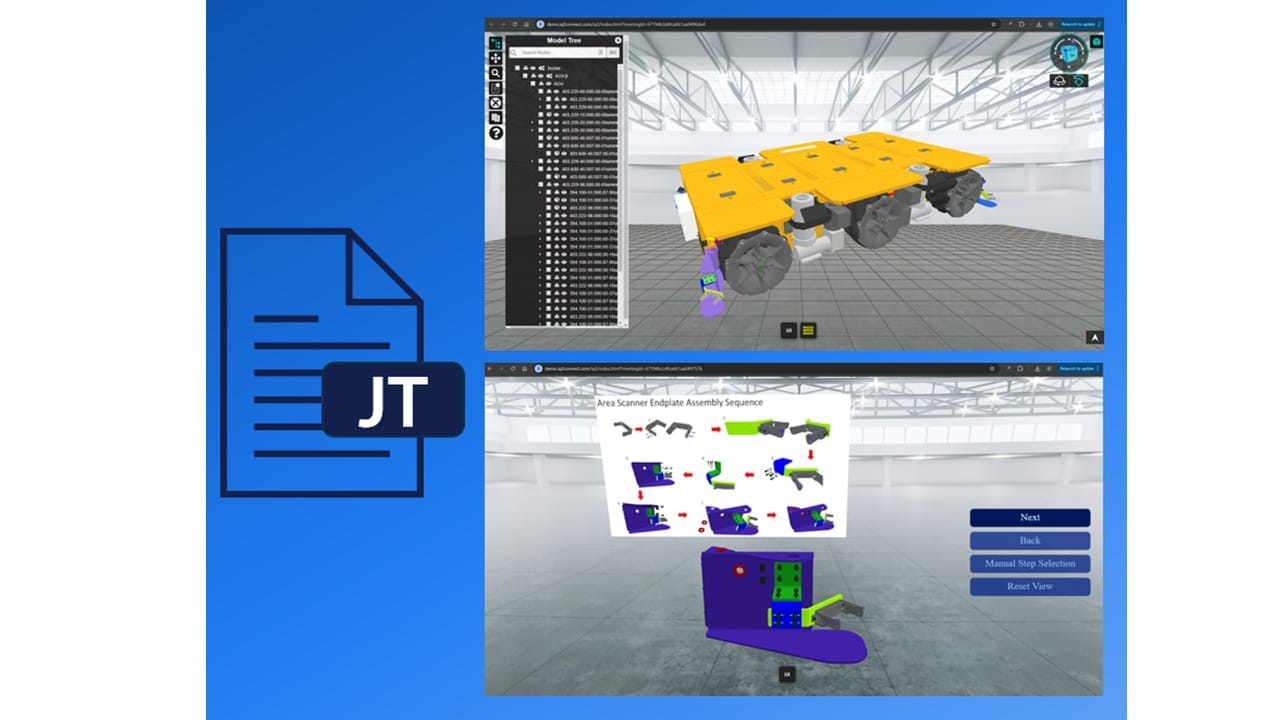
The new digital training solution translates detailed maintenance procedures into an interactive VR module. Engineers learn and practice every step of the pump maintenance process in a risk-free virtual environment, receiving instant feedback and clear visual cues.


Benefits include:

  • Standardizing training content regardless of staff changes or instructor style,

  • Enabling faster onboarding of new employees,

  • Providing trackable assessments and actionable feedback,

  • Reducing errors and supporting compliance with safety protocols.


Next Steps and Organizational Impact

Encouraged by the success of the vacuum pump module, the company is planning to roll out immersive training for additional equipment, making advanced, feedback-driven learning a cornerstone of their maintenance organization.


This case highlights how digital experiential training can overcome traditional training barriers in pharmaceutical manufacturing—empowering maintenance teams, reducing operational risk, and supporting long-term business performance.


Interested in digitalizing your maintenance training? Contact iQ3Connect to learn how immersive, interactive solutions can help your organization achieve training excellence.

Meta Quest 74.0: Scaling Enterprise XR with Streamlined User Access and Improved Device Management

The addition of Browser shortcuts in the Library in Meta Quest 74.0 is a small but impactful improvement for enterprises that require scalability and centralized management of XR experiences. Here’s why it matters:

    1. Simplified Deployment & Access
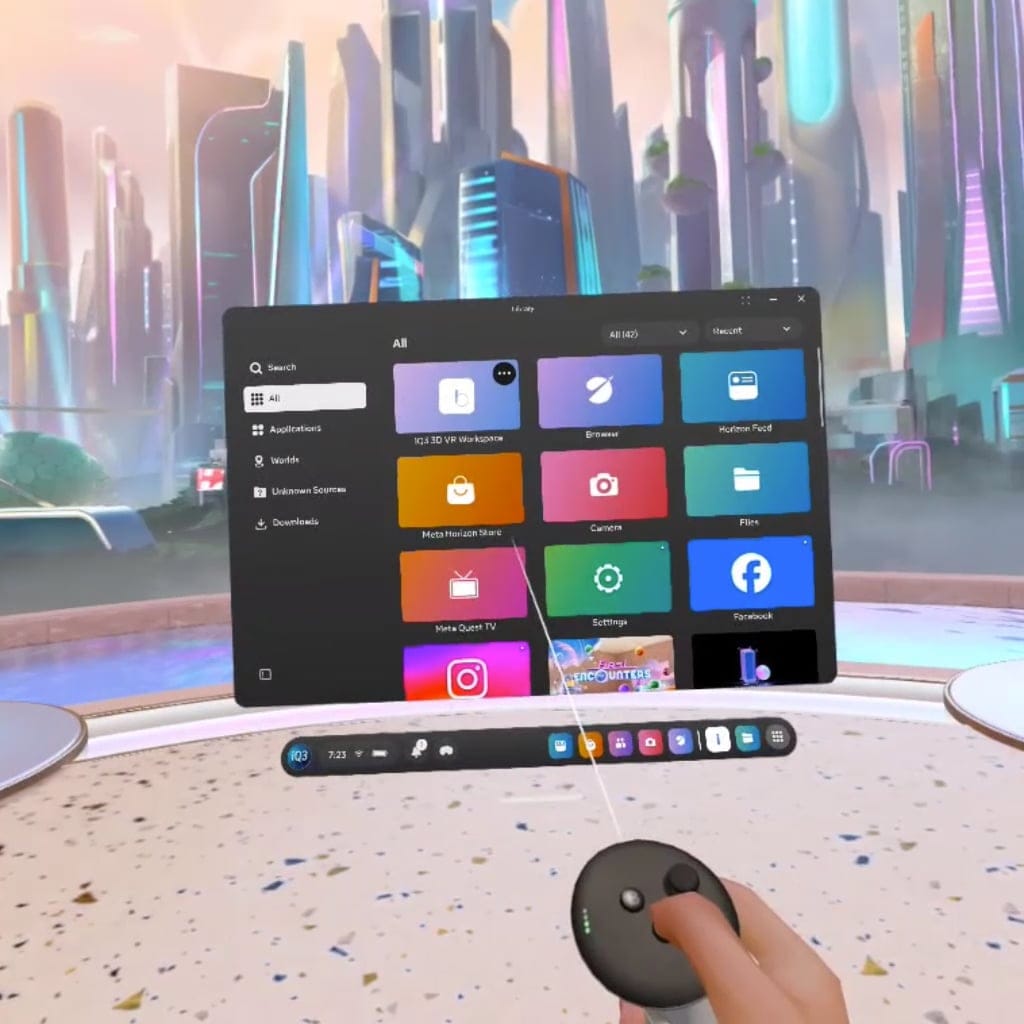
      Enterprises can now create and distribute direct links to web-based XR experiences, allowing users to access cloud-hosted applications, training modules, or virtual collaboration spaces with a single click. This reduces the need for app installations and updates, making XR deployment more agile.

    2. Consistent User Experience
      By providing pre-configured shortcuts, organizations can ensure that users always access the right content without confusion or manual browsing. This is especially useful for training programs, virtual showrooms, and remote assistance solutions where consistency is critical.

    3. Improved Device Management & Compliance
      IT admins can pre-load and control access to browser-based XR applications, ensuring that devices are used only for approved enterprise purposes. This aligns with device management policies and reduces the risk of distractions or misuse.

    4. Lower IT Overhead
      Without the need for app downloads and frequent updates, IT teams can focus on managing a few centralized cloud-based XR applications rather than maintaining individual app installations across multiple devices.

    5. Scalability Across Large Deployments
      Enterprises can now deploy web-based XR solutions at scale without the friction of sideloading apps or dealing with store approvals. This is especially valuable in environments where hundreds or thousands of devices need to be configured quickly.


Overall, browser shortcuts in the Library support the broader trend of cloud-based XR and XR device management, making it easier for enterprises to scale XR adoption while maintaining control over device usage.


Watch the video below to see how easy it is to add web-based XR experiences to the Meta Quest Library. 


Wanting to build XR-enabled experiences on the web?
Contact us for a free trial!

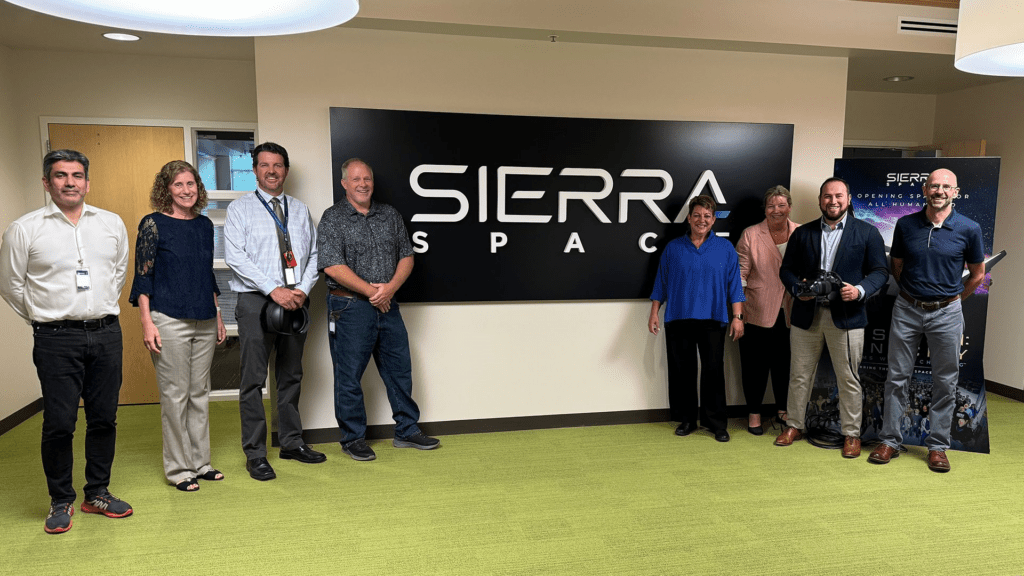
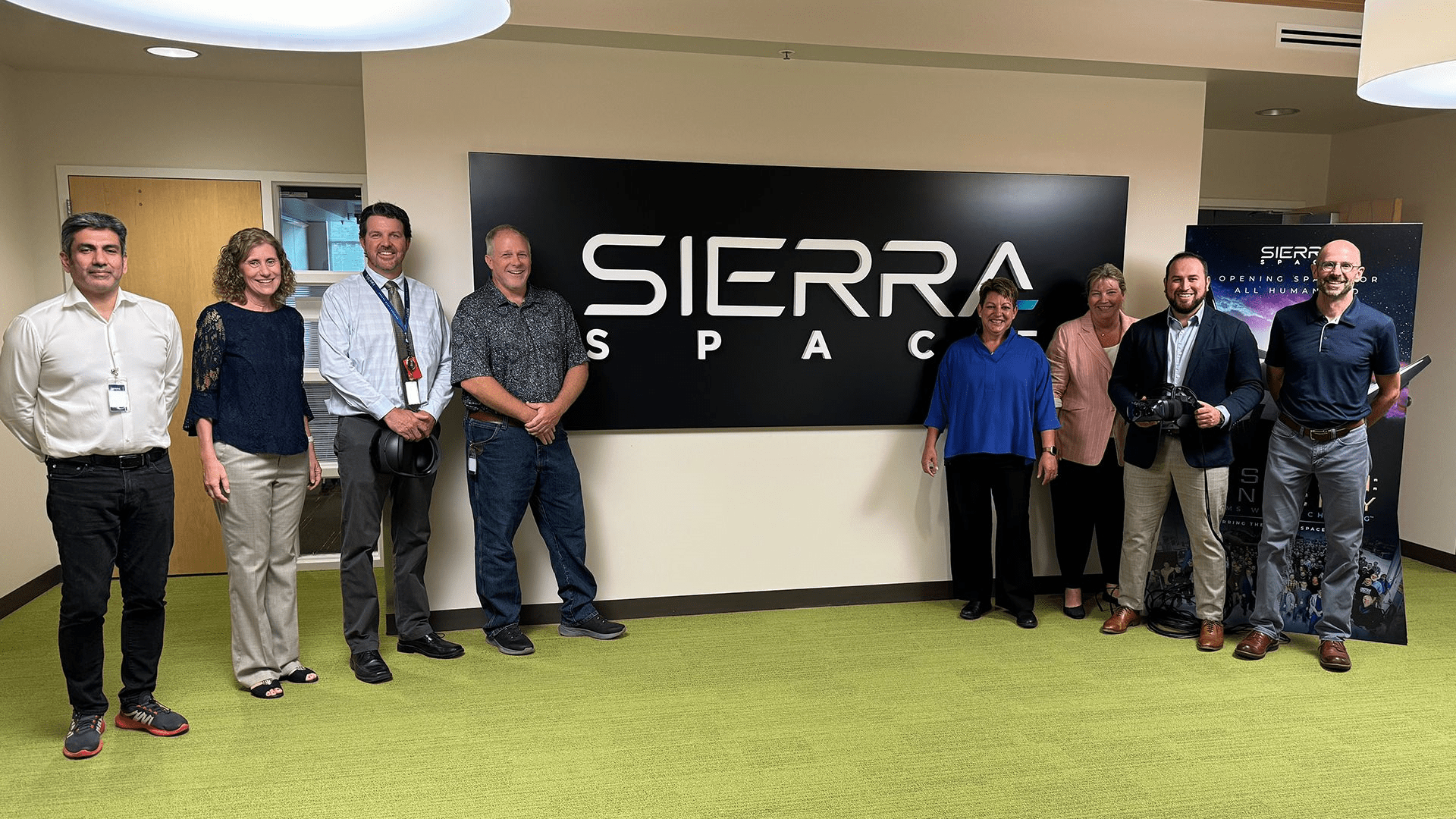
Case Study: Sierra Space Accelerates Engineering Collaboration and Launch Preparation with iQ3Connect

Background

Sierra Space — Aerospace and space technology leader, developer of the Dream Chaser® spaceplane and advanced satellite vehicles.


Challenge

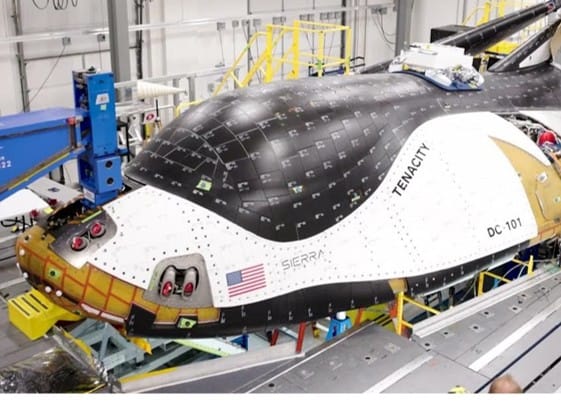
Sierra Space manages some of the world’s most complex engineering projects, including the Dream Chaser® Tenacity, with over one million components. Their teams needed a scalable way to:

  • Visualize and collaborate on massive 3D assemblies, regardless of device or location

  • Minimize costly and time-consuming custom software development

  • Support critical launch preparation and contractual design evaluations across distributed engineering teams


Solution

iQ3Connect delivered a device-agnostic, WebXR-enabled platform for real-time 3D collaboration:

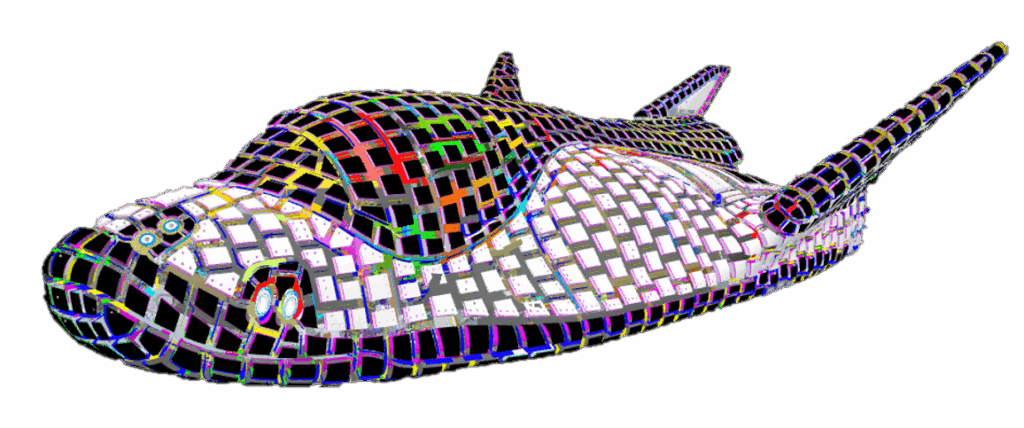
  • Dream Chaser® Tenacity (1M+ components) and full satellite vehicle assemblies now run smoothly in multi-user, multi-device workspaces—including on tablets and smartphones

  • Engineering teams access, review, and manipulate large-scale 3D models instantly—no downloads or custom builds required

  • SSO integration enables secure, organization-wide access; WebXR supports both desktop and mobile experiences


Business Outcomes

  • Dramatic Efficiency Gains:
    Engineering tasks that previously required up to four weeks of custom development can now be completed in as little as four hours.

  • Rapid Adoption and Internal Impact:
    Multiple engineering teams were able to demonstrate the platform internally and externally within hours of receiving training

  • Immediate Program Value:
    Integrated into Tenacity’s digital closeout and launch prep, iQ3Connect has already supported multiple DFX (Design for X) evaluations to fulfill contractual and compliance requirements

  • Enterprise Collaboration Unlocked:
    Teams can review, discuss, and resolve design issues in real time, on any device—speeding up decision-making and reducing barriers to innovation


Conclusion

By leveraging iQ3Connect, Sierra Space has transformed how its teams interact with their most complex digital assets—accelerating engineering cycles, streamlining launch preparation, and fulfilling mission-critical contractual obligations with unmatched speed and flexibility.

Quest 3: Boundaryless AR on the Web

For many augmented reality (AR) experiences on Meta Quest devices, the Quest Boundary can unnecessarily interrupt the user experience when a large physical space is required. While native apps can disable the Quest boundary, this capability isn’t directly available for web-based experiences. Thankfully, there is a way to disable the boundary completely if the device is in Developer Mode.

How to Disable the Quest Boundary


  1. From a Meta Quest device, once the device is in Developer Mode, open the Quick Settings on the Main Menu
  2. Click on Settings in the upper right corner
  3. Scroll to the bottom of the left column and click Advanced
  4. From the main window, scroll down and then Enable Custom Settings, which will expose some additional options
  5. Now scroll down and disable Physical Space Features
  6. Acknowledge the prompt, the Boundary is now disabled. 


It’s important to note that the Boundary is an important safety system and that there are risks inherent in disabling it. We recommend that you re-enable Physical Space Features when the Boundary no longer needs to be disabled. 


Wanting to build augmented reality (AR) experiences on the web?
Contact us for a free trial!

iQ3Connect, Sierra Space, and the CDLE: Immersive Technology, Design Collaboration, and Teacher Externships

This blog post describes the experiences of iQ3Connect with the CDLE’s teacher externship program and leverages the reporting done by Tamara Chuang at The Colorado Sun. You can read the full article here:
https://coloradosun.com/2024/08/31/colorado-workforce-quantum-space-tech-externship-teachers/ 


In an era where technology is evolving at an unprecedented pace, bridging the gap between education and industry is more crucial than ever. The Colorado Teacher Externship Program, a groundbreaking initiative supported by the Colorado Department of Labor and Employment (CDLE), is a prime example of how such partnerships can drive progress and innovation. At the heart of this initiative is a collaboration between industry, technology, and education that is transforming the landscape of STEM education. 


A Vision for the Future


This past summer, iQ3Connect joined forces with Sierra Space and the CDLE to deliver an externship experience for Colorado teachers. The goal? To solve actual engineering challenges while providing educators with hands-on experience in cutting-edge technology, thus enabling them to bring real-world applications back to their classrooms. This joint effort focused on leveraging iQ3Connect’s XR platform to facilitate multi-user, immersive collaboration with massive CAD files, a necessity for detailed virtual reviews of products like the Dream Chaser spaceplane.


Shane Stalter, a high school engineering teacher, was provided with a 2-month externship at Sierra Space to explore and implement immersive technology. Alejandro Mendoza, a virtual reality engineer at Sierra Space, described the significance of this partnership: “What we were doing was actually pretty novel. It’s the next frontier of the capability of these technologies and Shane and I kind of saw the potential and implemented it and proved it could be implemented here.” 


Immersive Technology Meets Real-World Engineering


Sierra Space’s Dream Chaser spaceplane presented a unique challenge: managing and visualizing extensive CAD files. Most engineers struggled with opening such large files without risking system crashes. iQ3Connect’s XR technology, however, was a game changer. By optimizing the data and enabling detailed visualizations through XR headsets, or even a standard laptop, iQ3Connect’s platform allowed for an immersive examination of the spaceplane’s design, down to the smallest details.


Mendoza reflects on the impact of iQ3Connect’s technology: “With a pair of VR goggles or just a laptop, anyone can fully immerse themselves in the design of the Dream Chaser and see everything inside and out and ‘down to the washer.’” This innovation not only advanced Sierra Space’s engineering capabilities but also provided a dynamic example of how immersive technology can enhance real-world applications.


Educators at the Forefront of Innovation


For teachers like Shane Stalter, the externship was a transformative experience. Stalter, who had been teaching engineering for 25 years, found the opportunity to work directly with Sierra Space and iQ3Connect to be “the best professional development” he had ever experienced. His background in computer-aided design seamlessly aligned with the work being done at Sierra Space, allowing him to contribute valuable educational insights to the team.


Stalter’s enthusiasm for the externship highlights its broader impact: “What got me excited is that most teachers that teach engineering don’t have engineering degrees. But, wow, what a connection to go straight to the career, where these students are going to be in four, five, six years. To get that experience and bring that to the classroom, that’s kind of what my goal was.”


A Lasting Impact


While the externship program is designed to be a short-term experience, its effects resonate far beyond its official conclusion. The collaborative spirit fostered between iQ3Connect, Sierra Space, and educators continues to drive innovation and inspire educational practices. As Alejandro Mendoza notes about Stalter, “We’re still texting and trying to help him stand up this same capability at his school.” This ongoing support underscores the program’s commitment to lasting impact and continuous improvement.


The partnership between iQ3Connect, Sierra Space, and the CDLE exemplifies the transformative potential of aligning education with industry. Through immersive technology and hands-on experiences, this collaboration is not only enhancing STEM education but also shaping the future of engineering and technology. The Colorado Teacher Externship Program stands as a testament to the power of these synergies, paving the way for a new generation of innovators and problem-solvers.

Using 3D Digital Twins with Immersive Visualization in the Inspection Industry

Background

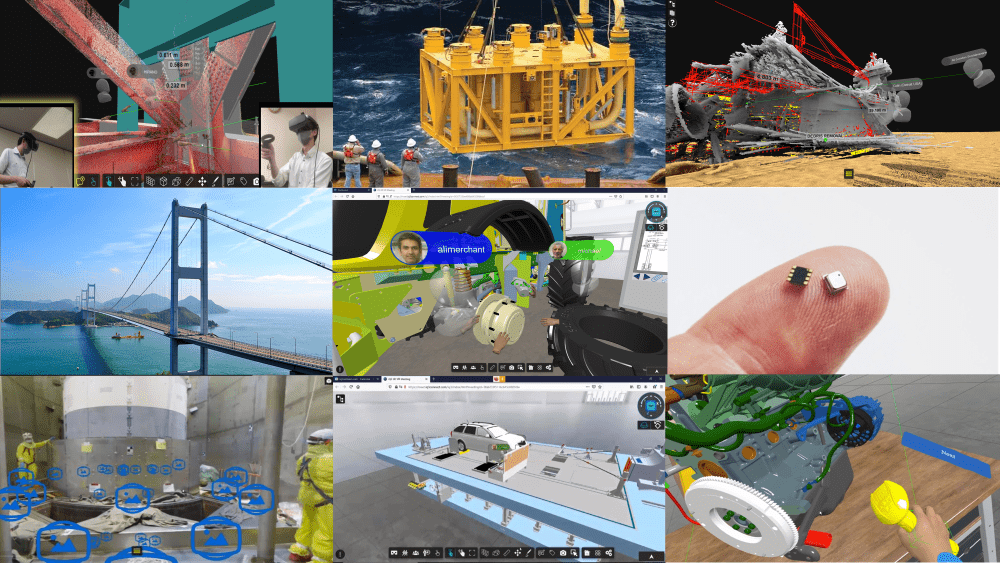
The inspection industry plays a crucial role across various sectors, including manufacturing, construction, oil and gas, and infrastructure. Inspections ensure compliance with safety standards, quality control, and maintenance schedules, mitigating risks and enhancing operational efficiency. Traditionally, inspections rely on manual processes and physical presence, which can be time-consuming, costly, and often hazardous. Advancements in reality capture and digital twins provide a strong foundation for 3D 1:1 immersive visualization in Virtual Reality (VR), Augmented Reality (AR), and Mixed Reality (MR). This combination offers innovative solutions for virtualizing inspector training, real-time collaboration, and data analysis visualization, potentially disrupting how inspections are traditionally conducted.


Persistent Digital Twins Creation and Visualization

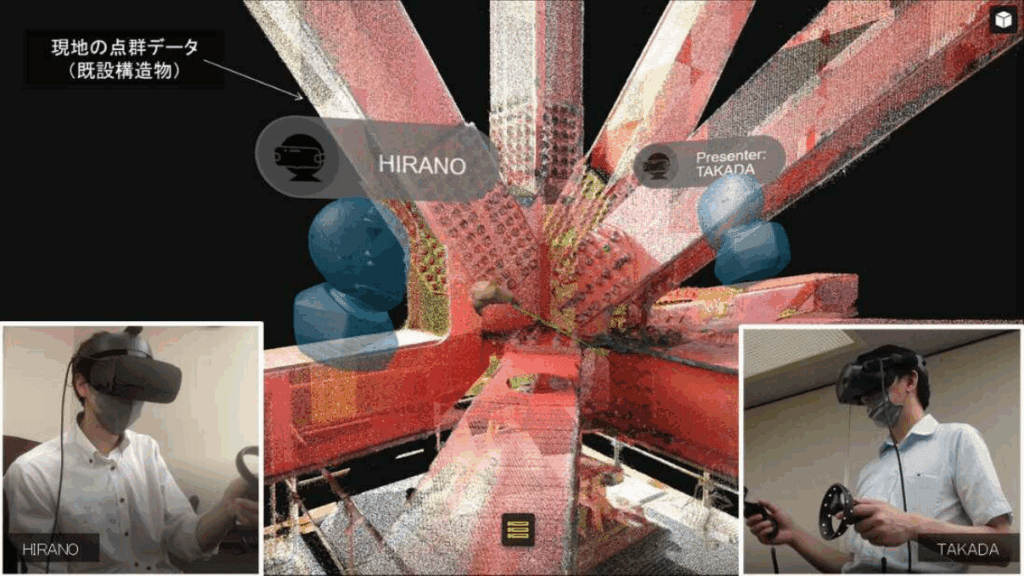
Inspections generate vast amounts of data, including measurements, photos, and notes. Drones capture detailed lidar data which can be utilized as an accurate 3D foundation for creating digital twins. In addition, many industries have design or CAD drawings that can provide greater detail and accuracy when combined with lidar or scan data. Data capture can also include 360 images and videos that can further enhance the digital twin. Documentation and real-time sensor data can be added to the digital twin to provide live actionable information. A digital twin provides the basis for visualization in immersive reality devices at 1:1 scale creating opportunities for virtualizing inspection applications that traditionally rely on in-person activities. Such digital twins can be accessible 24×7 in a persistent manner for a variety of business applications. Open web-based rendering approaches as Webgl and more advanced WebGPU for rendering provide powerful and scalable software capability for diverse business environments. More recently the WebXR and OpenXR standards provide a unified approach for supporting VR, AR, and MR devices in a vendor agnostic manner eliminating key friction points for business adoption. One example of using web technologies for XR can be viewed live at https://iq3connect.com/xr.


Opportunities


Enhanced Safety, Efficiency, and Reduce Business Disruptions

By reducing the need for physical presence in hazardous areas, a digital twin environment can significantly enhance safety, reduce the cost of travel and moving equipment. The impact is an increase in operational efficiencies and reduction in business disruptions. Inspectors can perform virtual walkthroughs to inspect dangerous or hard-to-reach areas at their own pace, minimizing the risk of accidents. Adding immersive VR and AR to the inspection processes can provide 1:1 scale accurate visualization which cannot be achieved with flat screen approaches. This new modality reduces the need to always be on location and therefore minimizes business disruptions when travel is not feasible.


Inspector Training

Digital twins with immersive training environments can simulate real-world inspection scenarios. VR can create realistic 3D environments where trainees can practice inspections without the constraints of physical locations. For example, a trainee can virtually inspect an oil rig, practicing safety protocols and identifying defects in a controlled setting. AR and MR can enhance on-the-job training by overlaying digital information on physical objects. Inspectors can use AR glasses to receive step-by-step guidance, access technical documents, and visualize internal structures, reducing the learning curve and improving accuracy.


Real-Time Collaboration with Experts

Similarly, a multi-user environment with digital twins can enable real-time collaboration between on-site inspectors, remote experts, and stake holders in various geographic locations. Using AR glasses, an inspector in the field can share their viewpoint with an expert located elsewhere, who can then provide immediate feedback and guidance. This capability is especially valuable in complex or hazardous environments where expert input is critical. Collaborative platforms can further enhance this by allowing remote experts to annotate the inspector’s field of view, highlighting areas of concern, or suggesting corrective actions.


Considerations

While the adoption of immersive technologies in the inspection industry is highly promising, there are a few considerations to keep in mind to fully realize their potential over a period. VR, AR, and MR technologies are advancing rapidly and current hardware limitations, such as resolution, field of view, and battery life, are being improved with each new iteration. Integrating immersive tools and digital twins with current inspection workflows and data management systems is paving the way for faster adoptions of digital inspection capabilities with a more direct impact operational efficiency and business ROI. Further the cost associated with VR, AR, and MR technology is decreasing rapidly as the technology matures and more device choices become available. Finally, cloud computing and 5G networks are making these technologies more accessible, even in remote areas, addressing key pieces for accelerating business adoption.

Adopting new technologies comes with a learning curve and change management. As inspectors and users become more familiar with immersive and digital twins, adoption will accelerate forcing change at various levels in the industry. The inspection industry operates within a framework of strict regulations, and aligning new technologies with these standards is essential. Regulatory bodies are beginning to recognize the advantages of VR, AR, and MR technologies and are working towards developing guidelines and standards to facilitate their use. As the benefits of these technologies become more evident, regulatory acceptance and standardization will inevitably be addressed.


Concluding Remarks

Digital twins created from inspection data can be leveraged repeatedly across multiple applications, and when combined with immersive visualization, offer significant opportunities to transform the inspection industry. Continuous advancements in technology, better business integration, cost reduction, regulatory acceptance, and innovations in AI will inevitably drive quicker adoption in the inspection industry. As key barriers to entry are eliminated, digital twins combined with VR, AR, and MR are set to become integral tools in ensuring higher safety, quality, and efficiency of inspections across various sectors.


This article was featured in NDE Outlook https://source.asnt.org/22d6m27/17

Building an XR Team from the Ground Up in an Aerospace Startup

Introduction

In the rapidly evolving aerospace industry, integrating Extended Reality (XR) technologies is crucial for design, training, maintenance, safety, and operational efficiency. For startups, XR offers a competitive edge, streamlines processes, and boosts productivity. Building an XR team involves strategic talent acquisition, technology selection, and workflow integration to fully leverage XR’s potential, fostering innovation and collaboration within the aerospace sector’s rigorous standards and dynamic environment. 


In this blog, we cover Tim Ventura’s (iQ3Connect) interview with Alejandro Mendoza from Sierra Space and Bridgette Sieffert from Terran Orbital Corporation. They discuss essential factors for building a strong XR team in aerospace startups, such as identifying the right talent, setting clear objectives, and implementing advanced tools while fostering ongoing learning. This blog provides a comprehensive roadmap for creating a team that drives XR initiatives and propels your startup to new heights. Click here to watch a recording of the full conversation.

The value XR brings to the aerospace/small satellite industry

More and more digital models of products, production equipment, and manufacturing facilities are being generated to assist manufacturing and industrial companies for various reasons. Some companies do it to make faster and more informed decisions, some to bring products to market quicker, and others to stay competitive in this global economy. Let us see how AR can add value to Aerospace startups: 


  • Excitement and Motivation: Using a headset that offers a holistic virtual experience excites trainees with new technology, unlike traditional paper and pencil methods, which made tracking progress challenging.
  • Ease of Use: AR simplifies manufacturing procedures, such as designing and building satellites, by eliminating the need to refer to 2D drawings on a computer screen. Technicians have all the necessary information directly in front of them, including wire connections, torque specifications, and screw order, enhancing efficiency and accuracy. This reduces errors and ensures high-quality work from the early stage. 
  • Business Development: AR simulations provide customers with immersive tours, showcasing technological advancements and the ability to improve product quality. This impressive demonstration creates a strong impact, boosting customer engagement and satisfaction.


“When we have customer tours come in we actually show them different AR simulations that our technicians use and say hey that is how we are implementing this is really cool technology this is how we are making advances and how we can build your product better. And, they loved that. It’s definitely a big wow factor on the tours for them” – Bridgette Sieffert


At the business level, proving the new technology’s value to investors involves showcasing its application on the manufacturing floor, where complex assemblies like fighter jets are constructed. Demonstrating its benefits includes meeting with investors and presenting the technology’s maturity and manufacturability.


Transitioning from training sessions to investor demonstrations highlights the design’s maturity. Showing how the technology is implemented in manufacturing and inspection, such as deconstructing a satellite down to its smallest component and showcasing other minute details, captures investor attention and proves the technology’s practical benefits. Alejandro outlined one of the creative ways that XR is being used within the organization. 


“Meeting with investors demonstrating the maturity of our designs, and also the ways that we were implementing the technology with design for manufacturability or inspection. Quite literally piecing apart the satellite piece by piece down to the ball bearing. That definitely caught the eye of a lot of different people as we went through multiple pitch phases. Holistically (we) went from training to demonstration to investors”– Alejandro Mendoza

Overcoming IT hurdles

In the ever-evolving landscape of IT and security, overcoming challenges often requires innovative thinking and adaptive strategies. Addressing these issues involves not only traditional solutions but also creative approaches tailored to the unique needs of the environment.


“Everyone wants you to succeed, even those who are opposing you because it’s their job. It’s their job to keep our assets and our nation safe.” –  Alejandro Mendoza


In the complex world of aerospace projects, especially projects under stringent government contracts, IT professionals face the challenge of managing on-premises solutions due to security concerns, and avoiding cloud applications. Overcoming this challenge involves presenting clear business cases that highlight the value proposition of on-prem solutions, thereby reducing the need for extensive research and fostering excitement among IT teams. Building strong relationships with IT departments can facilitate this transition, making the case for on-prem solutions more compelling and manageable.


Similarly, cybersecurity professionals often find themselves unfamiliar with advanced visualization technologies. To bridge this gap, involving knowledgeable volunteers who can demonstrate the vulnerabilities and potential of technologies like AR can be highly effective. Allowing IT professionals to experience these technologies firsthand through headsets and visualizations not only showcases their practical applications but also generates enthusiasm and a collaborative spirit within the team.


iQ3Connect is one of the only web-based XR platforms solely focused on the manufacturing and industrial market needs. Being a web-based XR platform means that all a user needs is access to a standard web browser on any device. For IT that means that users can access content on their existing (already approved) devices, experiences are deployed on standard web browsers that are already supported, and there are no apps or software for individual users to download/IT to manage.

Management, technology, and team engagement

One of the biggest challenges at the outset of a project is securing and appropriately allocating funds for critical initiatives. This can be effectively addressed by approaching the company’s finances with the same care and responsibility as if they were your own, crafting pitches that emphasize ROI, and aligning your request with the priorities of program directors and executive leadership. 


“I am not trying to sell you a pie-in-the-sky idea, it’s something that can be measured and returned calculated”  –  Alejandro Mendoza


Presenting a clear business case that includes a detailed timeline, predicted ROI, and resource requirements, combined with transparency across all levels from the shop floor to the C-suite can expedite the funding process and facilitate project approval.


“What’s worked for me has been a business case. Coming to management with here’s our timeline, our predicted ROI, and the resources I’m going to need.” –  Bridgette Sieffert


For team engagement, exposure to new technologies can rapidly ignite innovative ideas, as demonstrated when mechanical teams use headsets to explore potential use cases. This hands-on experience not only excites the team but also generates creative solutions, highlighting the importance of having a presence on the shop floor. Engaging with engineers, technicians, and managers directly allows for the collection of valuable insights and ideas, opening up numerous opportunities for application.


Managing expectations and finding scalable solutions are crucial in this process. When presenting to management, the team should communicate that while custom development was initially necessary, using existing assets enables quicker turnarounds and more efficient resource use, showcasing both innovation and practicality.


The use of AR technology can lead to successful projects due to its cross-functional benefits. For instance, a 3D floating model of a satellite can be utilized by the design team, and mechanical engineers for reviews, and mission operations for spatial visualization. Leveraging corporate resources allows for broader application across different groups, garnering more support through multiple use cases.


To receive buy-in from all levels, customers need to be able to use existing resources to create content rapidly. iQ3Connect has focused development efforts in this area and earlier this year we released the newest version of our no-code authoring environment for XR training. The iQ3Connect platform is minimizing the buy-in hurdle by expanding the pool of potential personnel capable of authoring content (no CAD, XR, or graphic design experience required), optimizing content creation workflows (automated CAD to XR pipeline), and employing a cost-effective and scalable licensing structure (unlimited content creators and guests).

Roll out, adoption, and reception of XR across an organization

One of the biggest learning opportunities is generating excitement about using the headset- a new technology many haven’t tried. Presenting it in an appealing way helps technicians see its benefits. 


Utilizing, engaging and teaching strategies makes the technology easier to use, as people are unlikely to embrace something they find uncomfortable or confusing. 


When designing the rollout plan, it’s crucial to consider diverse age groups, from tech-savvy younger users to seasoned experts less familiar with rapid tech evolution. Creating a plan that effectively supports all age groups ensures a smooth introduction and broad acceptance.

Device selection and safety considerations

Ensuring safety in manufacturing requires technicians to be comfortable with headsets. Standardizing headset use on the shop floor can streamline training, as using a consistent lens reduces the need for extensive retraining when switching devices. Key features to consider include augmented reality support, ease of use, and compatibility with all systems. When addressing capability factors such as hardware and software compatibility with MR, it’s crucial to have a clear method and rationale for investing in various headsets.

Conclusion

The integration of XR technologies in aerospace startups offers transformative benefits, from enhancing design and training to improving operational efficiency. Insights from Tim Ventura’s interview with Alejandro Mendoza and Bridgette Sieffert underscore the importance of strategic talent acquisition, clear goal setting, and effective implementation of advanced tools. Emphasizing AR’s value in creating immersive customer experiences, showcasing practical applications to investors, and addressing IT and cybersecurity challenges are crucial for success. By fostering innovation and collaboration while managing expectations and leveraging existing resources, aerospace startups can drive XR initiatives that elevate their capabilities and propel them to new heights. For a deeper dive into the conversation, be sure to check out the full video recording.

How to Successfully Implement Virtual Reality or Augmented Reality Training

Introduction


Virtual Reality (VR) and Augmented Reality (AR) training, together referred to as Extended Reality (XR), are simulation-based methods that utilize immersive technology to replicate real-world environments and scenarios. They allow users to interact with a computer-generated environment realistically and interactively, typically through an AR or VR headset or tablet. XR training is applicable across various industries such as defense, aerospace, manufacturing, and education to provide hands-on learning experiences without the risks or costs associated with real-world training.


iQ3Connect helps businesses elevate their training programs by providing a platform empowering them to create immersive VR and/or AR experiences tailored to their specific industry needs. But before embarking on an XR training initiative, it is crucial to understand the benefits and limitations of VR and AR training, the impact of XR training on business objectives, and the capabilities of various XR hardware options. The material below provides a guide to navigating and understanding XR training and, more importantly, provides information on how to prepare for and successfully implement an XR training rollout. 


Understanding XR Training and Its Benefits


Training with virtual reality or augmented reality provides a myriad of benefits that make it an invaluable tool for industries seeking to enhance their workforce’s skills and capabilities. A detailed assessment of the various benefits is provided in our blog post: Benefits of XR Training, with a short summary provided below:


Improved Skill Retention and Accelerated Proficiency

Studies have shown better retention of learned material than traditional methods by using virtual reality and augmented reality for training. The immersive and interactive nature of XR stimulates multiple senses, making information more memorable. Users are more likely to remember what they learn in XR due to the realistic context and experiential learning. 


Reduced Training and Operational Costs

While the initial investment in XR technology has historically been a limiting factor in wide-scale adoption, with the latest hardware and software XR training can ultimately be cost-effective almost immediately. It reduces the need for expensive physical training equipment, travel expenses, and facility rentals associated with traditional training methods. Additionally, VR training can be conducted remotely, saving time and resources. 


Workspace Safety Improvements and Risk Reduction

VR and AR training improves workplace safety and reduces overall risk in numerous ways. First, by virtualizing certain training scenarios, a safe environment is created where a trainee can practice and learn without the safety risks that would accompany real-world errors and mistakes. Secondly, XR training provides opportunities for trainees to react and address hazards that are too risky, costly, or infeasible to recreate physically.


Remote Collaboration and Expert Guidance

AR and VR training enables geographically dispersed teams to train together in a virtual environment, fostering teamwork and knowledge sharing. Additionally, subject matter experts can remotely monitor trainee progress, provide on-the-job coaching, and intervene during simulations to ensure compliance with best practices and safety standards. XR training also saves time by providing convenient access from anywhere, eliminating travel needs.


Data-Driven Performance Insights

VR and AR training offer unrivaled in-depth data capture on trainee performance which businesses can use to optimize training methods and improve training outcomes. This data can not only be used to help improve individual trainee outcomes but can also be aggregated to provide important insights into the overall performance of the training program, enabling identification of areas for improvement.


Implementing XR Training to Achieve Business Objectives


Understanding the benefits of AR/VR training is not enough to ensure that an XR training initiative is funded or successfully completed. A systematic approach is required to ensure that the training initiatives contribute directly to the organization’s overall goals. Based on our most successful customer engagements, we have distilled this systematic approach into six primary steps:


Identify Business Objectives

Start by clearly defining the goals and objectives of the learning initiative and the organization as a whole. The learning objective should have a SMART approach: specific, measurable, achievable, relevant, and time-bound. They should also align with your company goals, such as increasing employee productivity, reducing operational costs, enhancing customer satisfaction, or reducing errors.


Conduct a Training Needs Assessment

Evaluate the specific skills, knowledge, or competencies that employees need to achieve the identified business objectives. Determine any gaps in existing training programs that XR technology could address effectively.


Define XR Training Objectives

Based on the training needs assessment, establish clear and measurable objectives for XR training initiatives. These objectives should align closely with the identified business goals and specify the desired outcomes of the training program.


Create XR Training Content

Create XR training content that is tailored to address the specific skills and competencies required to meet the organization’s objectives. Ensure that the content is relevant, engaging, and aligned with the learning preferences of the target audience.


Integrate XR Training into Existing Workflows

Integrate XR training seamlessly into employee’s workflows to ensure that they can apply newly acquired skills directly to their job responsibilities. This could involve incorporating XR simulations into onboarding programs, ongoing skills development initiatives, or performance improvement plans.


Measure ROI and Adjust as Needed

Evaluate the return on investment (ROI) of XR training initiatives by comparing the achieved outcomes against the initial business objectives and associated costs. Use this data to make informed decisions about the future of XR training programs and adjust strategies as needed to optimize effectiveness.

Choosing the Proper XR Training Software and Hardware


XR Hardware

The first decision to be made when choosing XR hardware is whether to focus on augmented reality or virtual reality. Most devices on the market are exclusively AR (such as the HoloLens and MagicLeap) or VR (such as the HTC Vive), but the latest devices (such as the Meta Quest 3 or Apple Vision Pro) offer both AR and VR modes. The next decision often involves choosing between standalone or tethered devices. Standalone XR headsets offer wireless, self-contained systems for maximum portability but can have limited capability to display complex 3D models. Tethered XR headsets which connect to a PC to leverage powerful graphics cards, provide higher-quality graphics and performance but are limited in their portability. Consider mobility, budget, graphical needs, and enterprise support when selecting AR or VR hardware so that it aligns with training objectives and user experience requirements.


Another important factor to consider is that the XR hardware choice may not be entirely in your control. Different groups and teams may already have XR hardware. As the hardware space continues to adapt and improve, new hardware may be acquired by the business. 


XR Software

Choosing the right software platform is crucial for the future success of any AR and/or VR training initiative. The software platform must offer a range of tools for creating immersive and interactive 3D environments and be compatible with the chosen (and or available) XR hardware. It must also be flexible enough to accommodate updates and modifications to the training content and be suited to the skill set of the training content creators. The most important factors to consider are:


Compatibility

Ensure that the XR software is compatible with your existing systems and infrastructure. Verify compatibility with operating systems, XR hardware, and other software applications used within your organization. Can the XR experience easily be deployed, managed, and monitored by your existing business tools? 


Scalability

Choose an XR platform that can scale to meet your organization’s growing training needs. Can the XR platform easily support 100’s or 1000’s of users? Can the trainers and content creators build and deploy XR training without extensive development or modeling skills? Can the XR platform leverage the existing IT and Administrative toolsets to eliminate duplicate efforts for user access and authorization?


Training Creation and User Experience

To ensure technical accuracy and cost-effectiveness, choose an XR platform that empowers the trainers, subject matter experts, and/or content creators themselves to create XR experiences. While high-quality visuals are appealing, the cost and time of creating them must be considered and balanced against their benefit for a given use case. 


iQ3Connect’s web-based training platform enables enterprises to scale XR training across the enterprise. With just a web browser, individuals can engage in immersive training sessions using any AR or VR headset, or opt for 2D interactive experiences on PCs, tablets, or mobile devices. Seamlessly deploy single-user, self-paced training modules and/or host instructor-led training in multi-user virtual classrooms to foster collaboration. Moreover, our platform integrates seamlessly into LMS to monitor trainee performance and knowledge retention. Lastly, by providing a user-friendly solution, the iQ3Connect platform empowers trainers and subject matter experts to build and/or customize XR training without the need for modeling or development expertise. 


Developing an XR Training Rollout Plan


Creating an effective VR or AR training initiative not only depends on a systematic approach to matching learning objectives with business goals but also on a robust rollout plan to stakeholders and end users. In our engagements with key customers, successful rollouts have generally involved the following: 


  1. Assessment: Identify training objectives and assess the specific skills or knowledge gaps that XR training will address.
  2. Stakeholder Engagement: Involve key stakeholders, including trainers, managers, and end-users, to gather input and buy-in for the rollout plan.
  3. Training Creation: Create (or outsource the creation of) XR training content based on the identified training objectives. Involve key stakeholders in the creation process.
  4. Pilot Testing: Conduct pilot tests with a small group of users to evaluate the effectiveness of the XR training program and gather feedback for improvements.
  5. Production Preparation: Make adjustments and changes based on feedback from pilot testing. Integrate the XR content into existing business tools (such as Learning Management Systems) to reduce IT and administrative burdens as usage increases.
  6. Feedback Mechanisms: Establish mechanisms for collecting feedback from users throughout the rollout process to identify improvement areas and promptly address any issues.
  7. Scalability Planning: Ensure that the XR training program is scalable to accommodate a growing number of users, additional training content, and expanding training requirements over time.
  8. Continuous Improvement: Use feedback and performance data to iteratively improve the XR training program, update content, and refine rollout strategies as needed.


Training Your Team for XR Training


Training with the use of XR technology can benefit employees of all ages and backgrounds, but as XR is still a new modality, it is important to ensure users are adequately acclimated to XR technology, without distracting from the core training content. And as with other training modes, it’s important to address multiple styles of learning. A few key things to consider, include: .


Upgrade Materials

Update training resources to cover XR technology and its use. Consider creating a dedicated XR user manual and an interactive presentation for enhanced learning.


Demonstrate XR

Provide hands-on demonstrations of VR and AR technology to supplement traditional training methods and engage employees. 


Engage XR Interactivity in Stages

Use immersive videos, virtual walkthroughs, and virtual equipment demonstrations with varying and increasing levels of interaction to acclimate employees gradually to all the capabilities of a XR training. 


Hands-On Challenges

Introduce XR gradually with interactive challenges to build confidence and familiarity. Conduct interactive quizzes post-training.

Navigating the XR Training Maze: Solutions to Common Hurdles


Technical Complexities

Setting up and maintaining XR systems may pose technical and IT challenges. IT departments may authorize only a small subset of possible XR headsets to be used within the organization, while software management and application installation may prove impractical.


However, with iQ3Connect, our web-based approach not only allows any XR (and non-XR) device to be used but also means that only a web browser is required to access training content, eliminating the need for software downloads and application management. This enables teams to focus on the content (and not the technology) and seamlessly deploy immersive experiences that are accessible from anywhere, secured by your existing IT infrastructure, and tracked by LMS. 


Cost Barriers

XR hardware and software have historically been expensive, but with the latest consumer-grade hardware costs can be drastically reduced. Even with legacy solutions, XR adoption is shown to have a positive return on investment (ROI). Studies have shown that AR/VR-based training reduces enterprise training time by up to 40% and also helps save 30-70% in training costs compared to traditional methods.


With easy-to-use XR software platforms like iQ3Connect, XR costs are further reduced. With iQ3Connect, an initial Proof-of-Concept can cost less than $10,000 USD, whether created by an internal team or a 3rd party. Moreover, the iQ3Connect platform empowers trainers and subject matter experts to build XR experiences independently, reducing long-term costs. 


User Skill-Shortages

Subject matter experts and training content creators often lack extensive developer or 3D modeling experience, presenting a significant barrier to effectively implementing traditional XR software for training purposes. This knowledge gap can hinder the creation of immersive training content and limit the potential benefits of XR technology within organizations.


iQ3Connect addresses this challenge by providing no-code tools, visual creation features, and powerful automation tools. These user-friendly capabilities empower anyone, regardless of technical background, to build immersive training content with ease. By removing the need for coding expertise and simplifying the content creation process, iQ3Connect enables subject matter experts and content creators to leverage their domain knowledge effectively. This fosters the creation of engaging and impactful training experiences, unlocking the full potential of XR technology within organizations while overcoming the limitations posed by traditional XR software.

Conclusion and Call to Action


AR and VR training offers improved skill retention and accelerated proficiency compared to traditional methods across various industries. Moreover, it substantially reduces training and operational costs by eliminating the need for expensive physical equipment and travel expenses through remote training capabilities. Additionally, XR training enhances workplace safety by simulating hazardous scenarios in a risk-free environment, fosters remote collaboration and expert guidance, and offers invaluable data-driven performance insights for optimizing training outcomes. Implementing VR and AR training to meet business objectives involves identifying specific goals, conducting needs assessments, creating tailored content, and seamlessly integrating it into existing workflows. By selecting appropriate VR and/or AR hardware and software and developing robust rollout plans, the chances for successful execution of XR training initiatives greatly increase.


iQ3Connect’s AR/VR web-based platform empowers enterprises to achieve successful XR training adoption by eliminating technical and cost barriers and enabling anyone to build XR training content. Moreover, our device-agnostic approach future-proofs your XR investment by ensuring you can continue to use XR content regardless of hardware changes.  


Ready to Bring VR/AR Training to Your Organization?


Don’t just plan—put immersive learning into action. With iQ3Connect, you can quickly design, deploy, and scale virtual or augmented reality training across your teams, no coding or special hardware required.


Start your VR/AR training journey today! Request a personalized demo or connect with our experts to see how easy implementation can be.

What Is Immersive Learning: VR & AR in Immersive Training and Education

Immersive learning is far more than just a current buzzword or a passing fad in the educational landscape. It represents a seismic shift in how we approach both education and training, fundamentally altering the way we interact with educational content and absorb critical information. This innovative learning paradigm leverages cutting-edge technologies like Virtual Reality (VR) and Augmented Reality (AR) to create interactive, engaging, and highly effective learning experiences.


At iQ3Connect, we are not merely observers of this transformative shift; we are active participants and pioneers. We are committed to making learning not just a passive activity but an interactive, memorable, and impactful experience that is accessible to all. Our web-based XR platform is at the cutting edge of this educational revolution, meticulously designed to bridge the often wide chasm between theoretical knowledge and practical, real-world application.


By integrating immersive technologies, such as AR and VR, into our platform, we enable learners to step into realistic scenarios where they can practice skills, solve problems, and make decisions in a safe, controlled environment. This hands-on approach not only enhances engagement but also significantly improves retention and recall, making the learning experience far more effective.


So, whether you’re a business leader aiming to upskill your workforce or an educator looking to elevate your teaching methods, iQ3Connect is your partner in achieving those goals, offering an immersive learning solution that is as effective as it is revolutionary.

What is Immersive Learning?

Immersive learning is an innovative educational approach that leverages a variety of interactive technologies to create a more engaging learning experience. The primary technologies at the heart of immersive learning are Virtual Reality (VR) and Augmented Reality (AR). These technologies transform traditional learning methods, which often involve passive, one-way communication, into a dynamic, interactive experience.


In an immersive learning environment, learners are not just passive recipients of information. Instead, they engage in two-way interactions with the educational content. This interactive dialogue is made possible through a range of immersive elements such as realistic simulations, interactive 3D environments, and even augmented real-world scenarios. These elements provide learners with a hands-on, realistic experience that closely mimics real-world conditions.


By immersing learners in these lifelike scenarios, the educational experience becomes far more impactful. Learners can practice skills, make decisions, and experience the outcomes in a safe, controlled setting, thereby gaining a deeper understanding of the subject matter. This makes immersive learning not just an alternative but a significant upgrade to traditional educational methods.

The Importance of Immersive Learning

Immersive learning is a versatile educational approach that transcends the boundaries of traditional academic settings. Its applications are diverse and far-reaching, impacting a wide array of industries such as education, manufacturing, automotive, aerospace, energy, and construction, among others. In the oil & gas sector, for example, instructors are leveraging Virtual Reality (VR) to simulate various procedures for training purposes. This allows trainees to practice in a risk-free environment, honing their skills before they operate on actual equipment.


Similarly, in the manufacturing industry, Augmented Reality (AR) is being employed to provide real-time data and analytics that can significantly improve training outcomes. Workers can receive instant feedback and make adjustments on the fly, thereby increasing efficiency and reducing errors. Automotive enterprises are also adopting immersive learning technologies for training staff in assembly processes and  inventory management, offering a more interactive and hands-on training experience.


iQ3Connect is at the forefront of this industrial application of immersive learning. Our platform is designed to cater to these varied training needs across different sectors. We offer a range of features that make our solutions not just effective but also scalable and secure. Real-time analytics enable organizations to track performance metrics instantly, scalability ensures that the training modules can be easily expanded as the company grows, and robust security features guarantee that sensitive information remains protected.

Immersive Learning in Training

In today’s fast-paced, digitally-driven world, the need for effective and efficient learning is more critical than ever. Traditional learning methods often fall short in engagement and retention, leading to a workforce that is not adequately prepared for the challenges of the modern world. According to studies, the retention rate for traditional training methods is between 10-20%, whereas immersive learning has been shown to improve retention rates by up to 75%. These statistics underline the urgent need for a shift towards more effective educational methods like immersive learning.

Immersive Learning in Education

Educational institutions are increasingly recognizing the value of immersive learning as a complementary method to traditional educational techniques. For example, history students can take virtual tours of ancient sites, and technicians-in-training can perform maintenance and repair operations virtually, providing a more engaging and in-depth understanding of the subject matter.

The Multifaceted Benefits of Immersive Learning

For Businesses:


  • Accelerated Trainee Proficiency: Immersive learning allows employees to practice real-world scenarios in a risk-free environment. This hands-on experience makes them better prepared for actual job tasks, reducing the learning curve and increasing productivity.


  • Reduced Training Costs: Traditional training methods often require physical materials, venues, and sometimes even travel. Immersive learning, being digital, cuts down on these costs significantly.


  • Improved Operational Efficiency: Real-time analytics and feedback mechanisms in immersive learning platforms enable businesses to identify gaps in training and operations, leading to more streamlined and efficient processes.


For Educational Settings:


  • Increased Student Engagement: The interactive nature of immersive learning captures students’ attention more effectively than traditional methods, leading to increased engagement and participation.


  • Improved Test Scores: Studies have shown that immersive learning techniques can lead to better retention of material, which in turn results in improved test scores.


  • Comprehensive Understanding of Complex Subjects: Immersive learning allows for a more nuanced exploration of complex topics, helping students to grasp intricate details through experiential learning.


Challenges and Solutions

While the benefits are numerous, there are also historical misconceptions about the challenges to consider, such as the belief that immersive training must involve high initial costs and significant technical complexities in setting up immersive learning environments. With its web-based XR platform iQ3Connect has eliminated these historical challenges by offering instant web-access to immersive learning on any VR, AR, PC, tablet, or mobile device, and easy-to-use no-code authoring tools to ensure a smooth transition to immersive learning methods.

Future of Immersive Learning

Immersive learning is already revolutionizing the way we think about education and training. Several key trends are already poised to improve immersive learning, each offering its own set of groundbreaking opportunities.


  • AI Integration: Artificial Intelligence (AI) is set to play a significant role in the evolution of immersive learning. AI algorithms can personalize learning experiences, adapt the content in real time based on user behavior, and provide instant feedback, making the learning process more efficient and tailored to individual needs.


  • Advancements in AR and VR Technologies: As hardware becomes more affordable and software more sophisticated, the capabilities of AR and VR are expanding. Future technologies will include more realistic haptic feedback and streamlined hardware, offering an even more immersive learning experience.


Given these advancements, it’s crucial for enterprises and educational institutions to stay ahead of the curve. Those who invest in these technologies now are likely to find themselves at a significant advantage in the near future, reaping the benefits of more effective and engaging learning experiences.

Is the Future of Extended Reality (XR) Headset-Free?

The realm of Extended Reality (XR) has always been synonymous with headsets and hardware. But what if we told you that the future might not require you to don those bulky goggles? In this post, we’ll explore the feasibility of experiencing XR without the headset, the technologies making it possible, and what this means for the future of XR.

The Evolution of XR Technology

When XR first entered the public consciousness, it was almost entirely dependent on headsets. These devices, often cumbersome and expensive, were the gatekeepers to immersive virtual worlds. While the experience was groundbreaking, it was also limiting, tethering users to specific hardware. But as technology evolves, so does the way we interact with XR. The question now is, can we experience XR without the need for a headset?


Over the last few months, we worked on some intriguing research with our brilliant AI/ML intern, Zain Raza, who just completed his undergraduate degree at MakeSchool. The objective of the research project was to investigate the performance and reliability of hand and face tracking using a webcam for industrial collaboration and training applications. We aptly named the project “Headsets: Goodbye!” envisioning a future where devices to consume and interact with immersive 3D content will become ubiquitous and no longer exclusively in the domain of headsets.


Why did we embark on the “Headsets: Goodbye!” Project? Well, remote, real-time collaboration is arguably the most environmentally friendly way to conduct business with globally distributed teams, suppliers, and customers. Even with employees moving back to offices and factories, remote collaboration can undoubtedly minimize latency, cost, and carbon footprint due to the reduction in travel of personnel and equipment. However, we have increasingly seen the negative effects of video-conferencing fatigue, lack of social interactions, and other challenges of working from home.

The Quest for Headset-Free XR

The industry has been buzzing with efforts to make XR more accessible and less hardware-dependent. From projection-based systems to haptic feedback suits, the quest for headset-free XR is more than a pipe dream. However, this journey is fraught with challenges, from technical limitations to user adaptability. Companies are experimenting with various technologies, such as spatial computing and gesture recognition, to make this a reality.

Benefits of Going Headset-Free

Imagine experiencing XR without the discomfort of a headset. Not only does it make the technology more accessible, but it also opens doors to new applications, from education to manufacturing. Studies have shown that headset-free XR can offer a more comfortable and prolonged experience, thereby increasing user engagement. The freedom from hardware could revolutionize how we think about virtual spaces, making them more integrated into our daily lives.


Increased Accessibility

Headsets can be a barrier to entry for many users, both in terms of cost and ease of use. Going headset-free makes XR more accessible to a broader audience, including those who may have physical limitations that make using a headset uncomfortable or impractical.


Cost-Effectiveness

Investing in high-quality XR headsets for each user can be a significant expense for organizations. A headset-free approach can dramatically reduce these costs, making it easier for companies to adopt XR technologies.


Enhanced User Comfort

Wearing a headset for an extended period can lead to discomfort or even motion sickness for some users. The headset-free experience eliminates these issues, allowing users to engage with XR content more comfortably and for longer periods.


Simplified Collaboration

Headsets can sometimes isolate users, making collaborative experiences more challenging to implement effectively. Headset-free XR facilitates easier communication and collaboration among users, whether they are in the same physical space or connecting remotely.


Greater Flexibility

Without the need for a headset, users are free to interact with XR content in a way that suits them best, whether that’s through a desktop, tablet, or even a smartphone. This flexibility can be particularly beneficial in educational settings, where different learners have different needs.


Easy Integration

As Zain points out, going headset-free allows for easier integration into existing systems and processes. This is particularly beneficial for companies that are looking to implement XR solutions without disrupting their current operations.


By addressing these benefits, a headset-free approach to XR not only solves many of the challenges associated with traditional XR but also opens up new avenues for innovation and engagement.

Current Technologies Making Headset-Free XR Possible

Several emerging technologies are pushing the boundaries of what’s possible in headset-free XR. Spatial computing, for instance, allows for a more interactive experience without the need for a headset. Think of it as the difference between watching a 3D movie with glasses and stepping into a holographic room. Other technologies like computer vision are also contributing to this shift, offering new ways to interact with digital information.

Challenges and Solutions

While the prospect of headset-free XR is exciting, it’s not without its challenges. Issues such as motion sickness in projection-based systems and the high cost of haptic suits are barriers to adoption. However, ongoing research and development promise solutions that could make headset-free XR a mainstream reality. Companies like iQ3Connect are at the forefront of this innovation, working to overcome these challenges and make XR more accessible to everyone.

Future Perspectives

As we look to the future, the question isn’t just whether XR can be headset-free, but how soon. With advancements in AI and machine learning, we might soon experience XR in ways we can’t even imagine today. The convergence of various technologies could lead to a more seamless and integrated XR experience, free from the constraints of current hardware.


The journey toward headset-free XR is an exciting but challenging one. While current technologies offer a glimpse into what’s possible, the industry still has hurdles to overcome. However, the potential benefits make this a quest worth pursuing. As technology continues to evolve, the possibilities for headset-free XR are limitless.


To learn more about Zain’s work on Roberto The Empathetic Robot and our project, check out the article linked below: https://Blog.Devgenius.Io/Digital-Avatars-The-Next-Leap-In-Remote-Work-C72c0cd369a7

Icon

Form Submitted!

Thanks for submitting the form. An iQ3Connect representative will be reaching out to you shortly. In the meantime, please feel free to review some of our resources below.

Icon

Form Submitted!

Thanks for submitting the form. An iQ3Connect representative will be reaching out to you shortly. In the meantime, please feel free to review some of our resources below.

Icon

Form Submitted!

Thanks for submitting the form. An iQ3Connect representative will be reaching out to you shortly. In the meantime, please feel free to review some of our resources below.

Icon

Form Submitted!

Thanks for submitting the form. An iQ3Connect representative will be reaching out to you shortly. In the meantime, please feel free to review some of our resources below.