The New Competitive Battleground: Digital Customer Experience
Industrial manufacturing and construction companies are undergoing a fundamental shift. According to Deloitte, enhanced digital customer experience is no longer optional—it’s “table stakes” for companies seeking growth, differentiation, and resilience. (Deloitte)
Today, 93% of industrial companies are already implementing or experimenting with digital customer experience use cases, signaling a clear industry-wide transformation. (Deloitte)
What’s driving this shift?
Rising customer expectations for fast, personalized engagement
Competitive pressure in global markets
The need for operational efficiency and new revenue streams
The acceleration of digital transformation post-COVID
The result: companies are rethinking how they sell, train, support, and engage customers across the entire lifecycle—from presales to aftermarket services. (Deloitte)
Business Disruption Is Reshaping Industrial Sales and Service
Despite progress, many organizations still rely on outdated processes. In fact, 43% of manufacturers continue to depend on manual tools like spreadsheets for sales and customer engagement, limiting agility and scalability. (OpenText)
This creates significant business risk:
Lost revenue opportunities due to inefficient sales processes
Inconsistent customer experiences across channels
Higher operational costs tied to travel, training, and support
Delayed time-to-market and slower decision-making
At the same time, customer expectations have evolved dramatically. Buyers now demand:
On-demand product visualization
Self-service digital tools
Real-time support and training
Seamless omnichannel experiences
Organizations that fail to deliver risk losing both market share and customer loyalty.
The Hidden Cost of Travel in Industrial Operations
One of the most overlooked sources of inefficiency—and disruption—is business travel.
Industrial companies rely heavily on travel for:
Sales demonstrations
Equipment training
Maintenance and service support
Customer onboarding
However, travel introduces multiple risks:
1. Operational Risk
Travel delays, scheduling conflicts, and limited expert availability can stall projects and customer onboarding.
2. Financial Risk
Travel costs (flights, lodging, downtime) directly erode margins—especially in global operations.
3. Revenue Risk
Long sales cycles and delayed demos reduce conversion rates and increase deal friction.
4. Workforce Productivity Loss
Highly skilled personnel spend time traveling instead of delivering value.
In an increasingly digital-first world, these inefficiencies are no longer acceptable.
Digital Customer Experience as a Growth Engine
Deloitte’s research highlights that companies investing in digital customer experience see measurable business benefits:
Increased customer loyalty and satisfaction
Faster issue resolution
Higher sales and revenue
Improved margins (Insights2Action)
Digital transformation is not just about efficiency—it’s about unlocking new value.
But achieving this requires more than incremental improvements. It demands a fundamentally new way of engaging customers.
Enter Spatial Computing: The Next Evolution of DCX
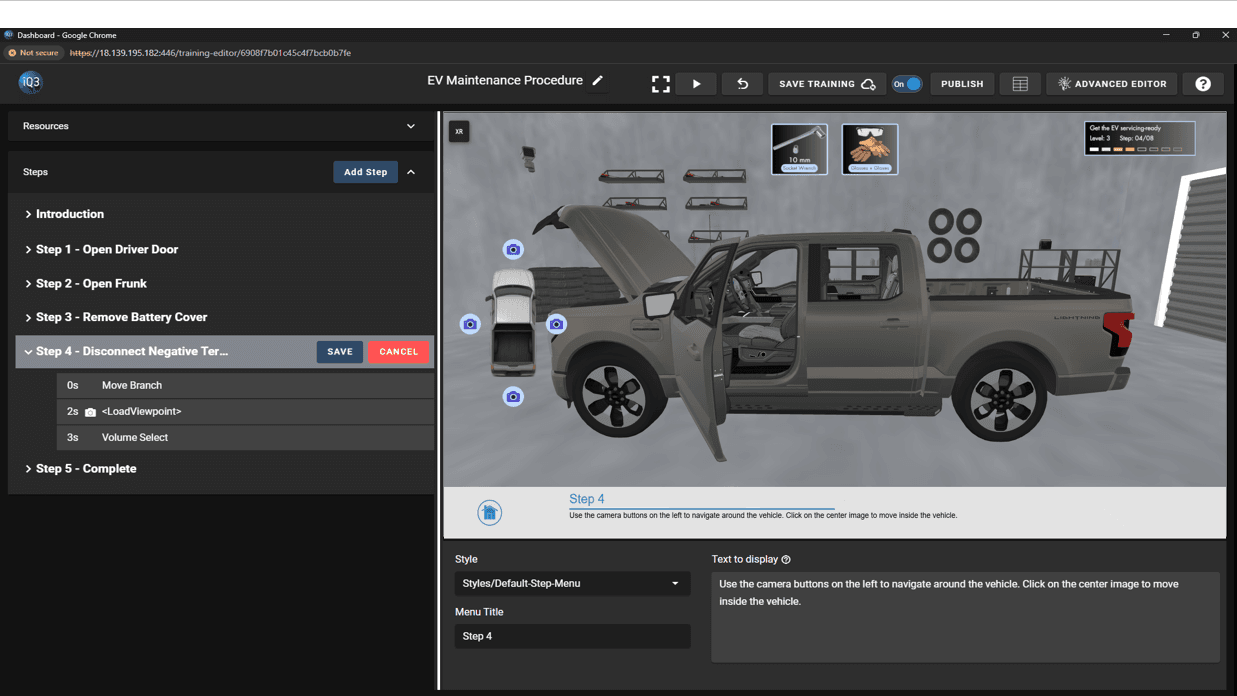
This is where iQ3Connect’s Spatial Learning Experience (SLX) transforms the equation.
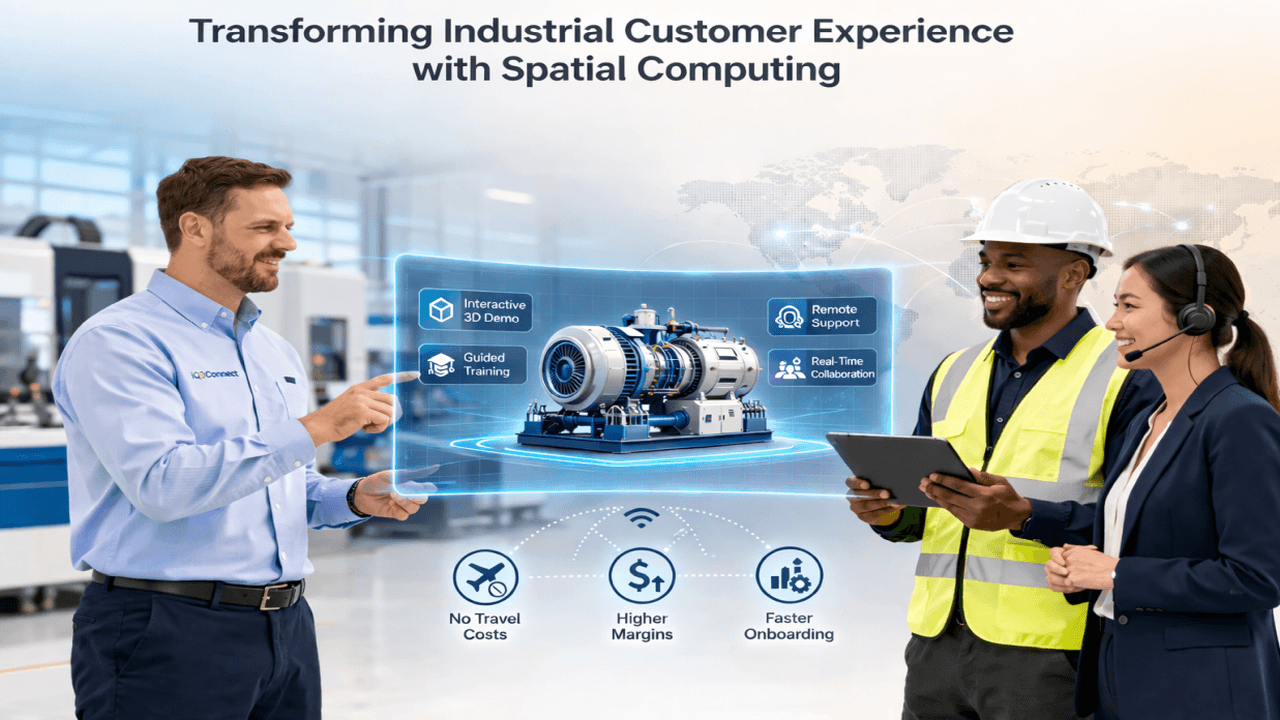
SLX leverages immersive 3D environments and spatial computing to deliver:
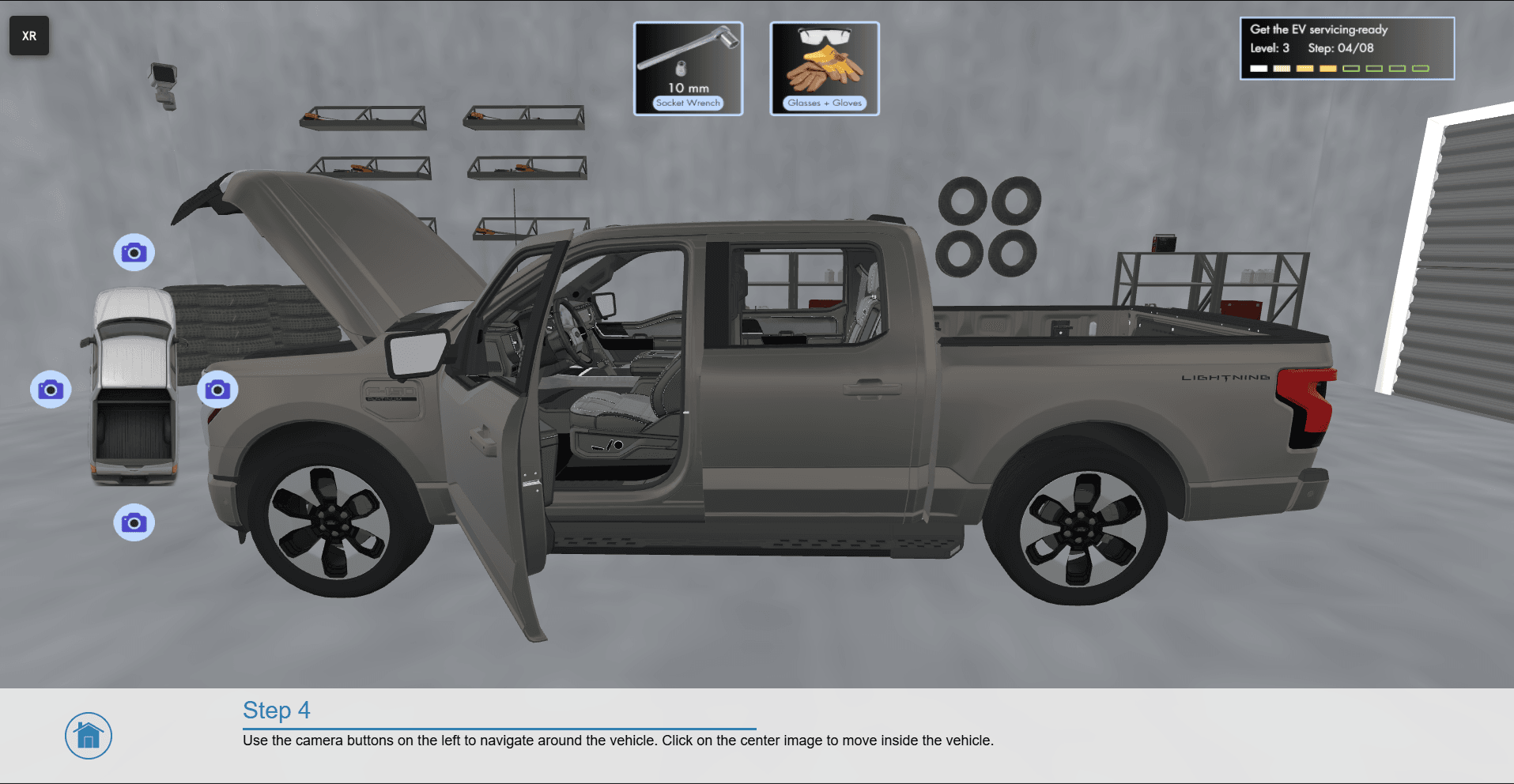
Virtual product demonstrations
Remote collaboration and support
Scalable, repeatable customer experiences
Instead of flying teams across the globe, organizations can now bring customers into fully interactive digital environments—anytime, anywhere.
How iQ3Connect SLX Reduces Business Risk
1. Eliminates Travel Dependency
By replacing physical travel with immersive virtual experiences, SLX removes logistical bottlenecks and reduces exposure to disruption.
2. Standardizes Customer Experience
Every customer receives the same high-quality, guided experience—eliminating variability across regions and teams.
3. Accelerates Sales Cycles
Interactive, on-demand demos allow prospects to engage faster and make decisions sooner.
4. Enhances Training Outcomes
Hands-on, experiential learning improves retention and reduces errors in real-world operations.
Driving Margin Expansion Through Digital Transformation
Travel reduction alone can significantly improve margins—but SLX goes further.
Cost Savings
Reduced travel and logistics expenses
Lower training and onboarding costs
Decreased reliance on physical assets
Revenue Growth
Higher conversion rates from immersive demos
Expanded reach to global customers
Faster deal velocity
Operational Efficiency
Scalable delivery of training and support
Better utilization of expert resources
Reduced downtime for customers
Deloitte notes that companies enhancing digital customer experience often achieve greater margins and improved operational performance—a direct result of these efficiencies. (OpenText)
Increasing Customer Productivity at Scale
Modern customers don’t just want products—they want outcomes.
SLX enables customers to:
Learn faster through immersive, hands-on experiences
Access training on-demand, without scheduling delays
Troubleshoot issues in real-time virtual environments
Collaborate with experts remotely
The result is higher customer productivity, faster adoption, and stronger long-term relationships.
Future-Proofing Industrial Businesses
The industrial sector is at an inflection point. Digital leaders are not just adopting new tools—they are redefining how business is done.
To stay competitive, organizations must:
Put the customer at the center of digital transformation
Invest in scalable, immersive technologies
Reduce reliance on legacy, travel-heavy processes
Build resilient, digitally enabled operations
As Deloitte emphasizes, companies that deliver personalized, seamless digital experiences will be the key differentiators of the future. (Deloitte)
Conclusion: From Disruption to Opportunity
Business disruption—whether from global events, supply chain volatility, or evolving customer expectations—is here to stay.
The question is not whether to adapt, but how quickly.
iQ3Connect’s SLX platform offers a powerful path forward:
Reduce business risk by eliminating travel dependencies
Increase margins through operational efficiency
Boost customer productivity with immersive digital experiences
In a world where digital customer experience defines success, spatial computing is no longer a vision of the future—it’s a strategic imperative.
Ready to Transform Your Customer Experience?
Discover how iQ3Connect SLX can help your organization drive growth, resilience, and competitive advantage in the digital era.